Horror Web

cinematography

Featured From Horror Web

Cinematography, photography and media

The specialization cinematography, photography, media has a study program specific to the vocational profile that aims to develop the artistic skills of the student, through the theoretical and practical study of specialized disciplines in the mentioned fields and training for…


Read Article

Great Camera Ideas for Teen Filmmakers

  What is the very ideal movie camera to get younger filmmakers? Among several gift ideas for 14-year-old boys you can find at medium.com/@playtime/best-gift-ideas-for-14-year-old-boys-a3c580dbfddb, a video camera will most likely be perfect. And if you would like a ‘real’ video…


Read Article

Tips If You Are Planning to Bring your Kids to the Cinema

Even before having kids, going to the cinema is actually a no-brainer. You loved the actor or the movie billboard was great, so you decided to see it. Basic. But if you have little children, you need to put a…


Read Article

Responsibilities of a Cinematographer

The Cinematographer, who might also be known as the Director of Photography, is whoever heads all decisions having to do with the visual part of a movie. As previously stated, they need to consider facets of how these pictures may…

READ MORE

The Differences Between Videography and Cinematography

The Significance of Cinematography and Cinematographer

Film production is an enterprise. One invests a good deal in a film’s introduction and they create a good deal of cash when all goes well. Therefore, movie schools that provide movie making courses’ quantities have grown. In its imaginative…


LEARN MORE

Improving Cinematography Techniques To Better Film Quality

The quality of lighting in a film lies all in the hands of the cinematographer. Just like any other industry, the filming business also follows the same standards when it comes to quality control, the IQ OQ PQ which stands for…

Read More

Enhancing Your Film Set with Stunning Roof Designs

Roofing styles play a crucial role in setting the tone for a scene. Whether you’re creating a grandiose historical epic or an intimate, modern drama, the right roof design can transform your film set into a visual masterpiece. Roofs often carry significant weight in cinematography, as they frame the shots, set the atmosphere, and can even symbolize certain themes or moods within a film. A carefully selected roof design not only contributes to the aesthetic value of a film but can also influence how audiences perceive a story or its characters.

Roof designs can vary from traditional, grandiose styles like domed or vaulted roofs, to sleek, minimalist modern designs. Each style communicates something unique to the viewer. A heavy, dark roof can evoke feelings of mystery, tension, or even oppression, while a light, airy design can create a sense of freedom, optimism, or elegance. The right roof design is not merely a structural element; it becomes an integral part of the film’s visual narrative.

When planning your film set, it’s important to take into account how roof styles can impact the overall visual experience. One way to ensure you select the best roof design for your set is by collaborating with professionals who specialize in architectural design for film sets. Green Scope (https://www.greenscopeco.com.au) offers a wide variety of roofing options and design consultations, ensuring that your set design aligns perfectly with the vision you have for your film. Whether you’re designing a period piece or a futuristic world, finding the right roof can be the key to unlocking the perfect ambiance.

The Impact of Roof Design on Mood and Atmosphere

In film, the roof is often one of the most visible architectural elements, especially in wide-angle shots. It can draw the viewer’s eye, setting the scene even before characters step into the frame. For example, a low, rustic roof can suggest a homey, comfortable setting, while a sharply angled, metallic roof could indicate a more industrial or high-tech environment. These subtle cues play a major role in reinforcing the story’s tone.

Consider how iconic structures, like the pointed towers of castles or the smooth, curving lines of modernist architecture, evoke different emotions. The roof is often where the design reaches its peak, literally and metaphorically. Directors and cinematographers can use the roof to guide the audience’s expectations, foreshadow events, or heighten the emotional stakes of a scene. A dilapidated, leaking roof can create a sense of decay or urgency, while a pristine, perfect roof can create a feeling of safety and stability.

The right roof design allows filmmakers to establish the setting in just a few shots. It communicates the time period, location, and even the socio-economic status of the characters.

Integrating Roof Designs with Cinematic Themes

Roof designs often reflect or contrast with the overarching themes of the film. In a story about environmental sustainability, a green roof covered in vegetation might symbolize harmony with nature. On the other hand, a cold, metallic roof could be used to represent industrialization or technological advancement. Filmmakers can choose roof designs that align with these thematic elements, further immersing the audience in the world they have created.

For instance, a historical drama might feature roofs with classic tiling or shingles, emphasizing tradition and heritage. In contrast, a futuristic sci-fi film could showcase sleek, angular roofing systems made of advanced materials, creating a stark contrast between the past and future. The roof design becomes a visual shorthand for the message that the filmmakers are trying to convey. It is an often-overlooked element that, when chosen carefully, can elevate a scene from good to great.

In addition, roof design helps define the environment within a film. If your set takes place in a tropical or Mediterranean location, a thatched roof or terracotta tiles might fit the setting perfectly. For a snowy, mountainous environment, a steep, slanted roof might be ideal to prevent snow accumulation. Each type of roof serves a functional purpose as well as a visual one, and by considering both, filmmakers can create sets that feel real, grounded, and immersive.

Working with Professionals for Optimal Design Choices

When it comes to roof design, the options can be overwhelming. From materials to shapes, textures, and colors, the possibilities are endless. Working with an architectural professional who understands how to translate your cinematic vision into a tangible structure is key. A well-designed roof can enhance the visual storytelling in ways that other elements might not be able to achieve.

If you’re looking for a roofing company that can offer innovative design solutions for your film sets, Green Scope is a great place to start. With their extensive knowledge of both traditional and contemporary roofing styles, they can help bring your film’s architectural elements to life. They work with filmmakers to ensure that every design choice enhances the overall cinematic experience. Whether you’re designing a single room or an entire set, expert guidance can make all the difference.

READ ALSO: The Art of House Painting: Why It’s Time for a Film

Conclusion

The roof design of a film set is more than just a background element. It shapes the audience’s perception, enhances the mood, and contributes to the overall visual language of the film. By thoughtfully selecting the right roof style, filmmakers can elevate their sets, creating environments that are visually stunning and thematically rich. From historical dramas to futuristic sci-fi films, the roof is an essential part of the story’s atmosphere.

Bottom Teeth Grillz: A Cinematic Statement in Modern Filmmaking

In the field of photography, visual storytelling is absolutely crucial. From decorations to costumes, every element—including details—helps to capture the personality of a character and the general look of the movie. One such element that has been rather important lately is the utilization of bottom tooth grillz. From their beginnings in hip-hop culture, these brilliant oral accessories have evolved into a potent instrument for modern filmmakers.

This blog entry looks at how cinematography’s usage of bottom tooth grillz improves visual storytelling and character development.

The Cinematic Appeal of Bottom Tooth Grillz in Film

Filmmakers find bottom tooth grillz to be a visually appealing option. On film, their reflective surfaces and complex shapes catch the light and produce an arresting visual impact. This meticulous approach can improve the whole look of a movie, therefore enhancing the visually appealing aspects of each scene.

Character Development and Symbolism: Creating Characters Definitions

Every aspect of a character’s look in cinematography helps to define them. One can determine a character’s social level, background, and personality by use of bottom teeth grillz. A figure wearing grillz might be shown, for example, as affluent, rebellious, or strongly anchored in a particular cultural identity.

Symbolic Representation

Furthermore suggestive of a character’s path or metamorphosis is grillz. A figure who initially looks modest, for instance, could develop grillz as they grow to strength or confidence. Adding layers of significance to the story, this visual cue can represent personal development, ambition, or a change in the character’s situation.

Improve Visual Narrative: Creating Visual Contrast

Bottom teeth grillz allow a film to have visual contrast. Filmmakers can draw attention to variations in social level, personality, or cultural background by matching people with and without grillz. Emphasizing issues of inequality, revolt, or cultural variety, this contrast enhances the narrative of the movie.

Drawing Audience Attention

Because they are naturally striking, grillz are a great instrument for grabbing audience attention. The glimmer of grillz can grab the audience’s attention and highlight the importance of a character in sequences where their presence demands especially great effect. In close-up views, when the grillz’s minute features are clearly shown, this method can be extremely successful.
Conclusion

Modern cinematography has evolved with bottom tooth grillz as a major component since they provide directors an original approach to improve visual narrative and character development. Their stunning visual attractiveness and historical and cultural relevance make them a potent weapon for the director’s toolkit. Grillz will surely always be a fascinating element in the cinematic terrain as their application changes.

On-Set Security: Safeguarding Film Crews and Equipment with Advanced Technology

security for film industry

The film industry often operates in dynamic environments, from bustling city streets to remote locations. This mobility exposes film sets, high-value equipment, and crew members to potential security risks. Whether it’s theft, vandalism, or unforeseen threats, ensuring the safety of assets and personnel is crucial to avoid costly disruptions.

Protecting a film set requires expert solutions, and companies like bluelinesecurityservices.com provide advanced security measures tailored to the unique needs of the film industry. From executive protection to cutting-edge surveillance, these services bridge the gap between safety and productivity, ensuring smooth operations even in high-risk areas.

Why Film Sets Are Vulnerable

Film sets are often high-profile targets for various reasons:

  • Valuable equipment: Cameras, lighting, and props represent significant financial investments, making them attractive to thieves.
  • Outdoor locations: Shooting outdoors increases exposure to unpredictable risks, including trespassers or adverse conditions.
  • Celebrities and talent: High-profile actors and directors may attract unwanted attention or even direct threats.
  • Remote locations: Isolated areas may lack basic security infrastructure, exposing sets to local dangers.

Given these vulnerabilities, securing film sets is no longer an optional consideration. Advanced technologies and professional services have become essential.

Advanced Surveillance Systems

Surveillance technology has evolved significantly, providing reliable tools for monitoring and securing film sets. Key advancements include:

  • AI-driven cameras. These cameras detect unusual activity and alert security teams in real time. They can recognize faces, license plates, or suspicious movements.
  • Drone surveillance: Drones offer aerial views of large areas, ensuring complete oversight of sprawling film sets.
  • 24/7 remote monitoring: Security teams can monitor feeds remotely, ensuring constant vigilance even when physical guards are unavailable.

These systems not only protect equipment but also serve as deterrents. Visible security measures discourage criminal activity, giving film crews peace of mind.

Executive Protection for High-Profile Talent

When working with celebrities or public figures, the stakes are even higher. Executive protection specialists play a critical role in safeguarding individuals against threats like harassment, kidnapping, or overzealous fans. Their expertise ensures that the cast and crew can focus on their work without distractions.

Benefits of executive protection include:

  • Personalized risk assessments: Understanding specific vulnerabilities based on location and profile.
  • Discreet presence: Maintaining safety without disrupting the set’s atmosphere.
  • Quick response: Trained professionals handle emergencies effectively.

On-Site Security for Equipment

On-site security guards are often the first line of defense for protecting expensive film equipment. Their duties extend beyond standing watch—they actively patrol the set, monitor access points, and coordinate with surveillance systems.

To enhance their effectiveness, security teams can leverage technology, including:

  • Access control systems: Restricting entry to authorized personnel only.
  • RFID tracking: Tagging equipment to prevent theft and enable quick recovery if items go missing.
  • Mobile apps: Allowing guards to log incidents, report suspicious activities, and maintain a clear communication channel with the production team.

READ ALSO: Cinematography and the Craftsmanship of Quality Locksmithing

Importance of Pre-Shoot Security Assessments

A robust security strategy begins with a detailed assessment of the shooting location. By evaluating potential risks, security teams can recommend specific measures to protect the set.

Essential components of a pre-shoot assessment:

  • Analyzing local crime rates and possible threats.
  • Inspecting the location for vulnerable entry points.
  • Developing an evacuation or contingency plan in case of emergencies.

These assessments ensure no security aspect is overlooked, providing a comprehensive plan tailored to the set’s unique challenges.

Building a Culture of Security

Film productions involve a collaborative effort, making it vital for everyone on set to understand the importance of security. Production teams can foster a culture of vigilance by:

  • Conducting safety briefings at the start of each shoot.
  • Encouraging crew members to report unusual behavior.
  • Creating clear protocols for accessing equipment or restricted areas.

When every member of the team takes security seriously, risks decrease significantly.

The Cost of Neglect

Failing to prioritize security can lead to severe consequences:

  • Financial losses: Stolen equipment can derail the budget and delay production.
  • Legal issues: Unauthorized leaks of footage or breaches in confidentiality agreements may result in lawsuits.
  • Reputation damage: Incidents on set can tarnish a production company’s image.

Investing in professional security services and advanced technology may seem costly, but it is far less expensive than dealing with the aftermath of a breach.

Conclusion

The safety of film crews and equipment should never be left to chance. Productions can mitigate risks and maintain a secure environment by combining advanced surveillance systems, executive protection, and professional on-site security. With trusted partners like Blue Line Security Services, the film industry can focus on creativity without compromising safety.

Cinematography Meets Innovation: Using Windows 11 Professional for Film Editing and Production

Windows 11 Professional isn’t just an operating system; it’s a powerful tool for filmmakers. With its advanced features and seamless integration, Windows 11 Professional provides a comprehensive environment for film editing, production, and post-production. Read more about the Windows 11 pro product key on the EcoKeys website.

Enhanced Editing Capabilities

Video Editing Software: Windows 11 Professional works seamlessly with popular video editing software like Adobe Premiere Pro, Final Cut Pro, and DaVinci Resolve. This integration allows you to take advantage of your editing software’s latest features and capabilities while enjoying the benefits of Windows 11’s operating system. Whether you’re editing a short film, a documentary, or a full-length feature, the compatibility with these industry-standard tools ensures a smooth and efficient workflow.

Hardware Acceleration: Windows 11 Professional leverages modern hardware to accelerate video editing tasks, resulting in smoother performance and reduced rendering times. This is especially beneficial for large, complex projects requiring significant processing power. By utilizing the latest advancements in hardware technology, Windows 11 ensures that your editing experience is as efficient and productive as possible.

Creative Collaboration

Cloud-Based Workflows: Windows 11 integrates with cloud-based collaboration tools like Microsoft Teams and OneDrive, making it easy to share your film projects with collaborators and receive feedback. This fosters a collaborative environment and allows you to work with filmmakers worldwide. Whether you’re working with a team in the same city or across different continents, the cloud-based features of Windows 11 ensure that everyone stays connected and on the same page.

Online Video Platforms: Windows 11’s integration with online video platforms like YouTube and Vimeo makes uploading and distributing your films simple. This seamless connection allows you to share your work with a global audience quickly and efficiently. Whether premiering a new project or sharing behind-the-scenes footage, Windows 11 makes the process straightforward and hassle-free.

Immersive Storytelling

VR Integration: If you have a VR headset, Windows 11 can provide immersive storytelling experiences. Imagine editing your film in a virtual studio or viewing your final cut in a virtual theater. This innovative feature allows filmmakers to explore new dimensions of creativity and engagement, offering a unique way to experience and refine their work.

Gaming Integration: Windows 11’s gaming features can enhance your filmmaking experience. Use gaming controllers to navigate your editing software or enjoy a more immersive experience with a gaming monitor. These features add an extra layer of interactivity and enjoyment to the editing process, making it more engaging and dynamic.

Conclusion

Windows 11 Professional is a powerful tool for filmmakers. With its enhanced editing capabilities, creative collaboration features, and immersive storytelling experiences, Windows 11 provides the tools you need to create and share your films. So go ahead, explore the features of Windows 11, and let your creativity soar.

By leveraging the advanced features of Windows 11 Professional, filmmakers can take their projects to new heights. The seamless integration with industry-standard editing software, the acceleration of hardware capabilities, and the innovative collaboration and storytelling tools make Windows 11 an indispensable asset in the world of film production. Whether you’re an independent filmmaker or part of a larger production team, Windows 11 Professional offers the flexibility and power needed to bring your creative vision to life.

Transforming Perspectives: Cinematography Explores Infrared Light Beds in Film

Cinematographer at work

Continually seeking innovative ways to capture and convey emotions, stories, and atmospheres, filmmakers operate in the dynamic realm of cinematography. One of the latest frontiers in this pursuit is the exploration of the infrared light bed, a transformative tool that brings a unique and ethereal quality to the visual storytelling process.

Helios Red Light Bed: Transforming Light Therapy

Leading this exploration is the Solbasium Helios Red Light Therapy Bed, a technological marvel poised to transform the landscape of light therapy. Meticulously engineered and perfected in its craftsmanship, the Helios serves as a beacon of innovation, setting a fresh standard for clinical practices, gyms, and health and wellness centers.

Seamless Remote Operation for Unprecedented Control

What sets the Helios apart is its seamless remote operation, providing users with unparalleled control over the red light therapy experience. Filmmakers can now effortlessly integrate this cutting-edge technology into their cinematic narratives, offering audiences a visual experience that goes beyond the conventional.

Unlocking Flexibility: Opt for Pulsed or Continuous-Wave Operation

In the dynamic world of cinematography, flexibility is paramount, and the Helios guarantees exactly that. Users have the option to select either pulsed or continuous-wave operation, addressing the diverse creative preferences of filmmakers. This adaptability expands the realm of possibilities, empowering directors to shape visuals that seamlessly align with their artistic vision.


ALSO READ: Spicing Up Narratives: Cinematic Storytelling in Mehran Masala’s Recipe Videos


Impeccable Light Spectrum for Optimal Cinematic Results

The Helios Red Light Bed boasts an impeccable light spectrum, featuring 630 nm, 660 nm, 810 nm, 830 nm, and 940 nm red and infrared light. This comprehensive range empowers cinematographers to tailor their lighting setups for specific scenes, adding depth, emotion, and a touch of the otherworldly to their visuals.

Elevating Cinematic Storytelling with Ethereal Lighting

As filmmakers delve into the possibilities of infrared light beds, they discover a tool that elevates cinematic storytelling to new heights. The ethereal quality of red and infrared light can evoke emotions, create captivating atmospheres, and transport audiences into realms where visual boundaries are pushed and norms are challenged.

Conclusion: Redefining Cinematic Boundaries

Infrared light beds like the Helios Red Light Therapy Bed are redefining cinematic boundaries. Filmmakers now have a tool that not only illuminates scenes but also adds a layer of artistic expression that was previously untapped. As the exploration of infrared light beds continues in the world of cinematography, audiences can expect a visual revolution that transcends the ordinary and ventures into the extraordinary.

Cinematic Techniques in Streaming Content: Enhancing the Visual Experience

Cinematography Entertainment Subscription

In the era of streaming services, cinematic storytelling has undergone a profound transformation. The marriage of technology and creativity has led to the exploration and implementation of various cinematography techniques that aim to captivate audiences, making their viewing experiences more immersive and memorable. This article will look into how streaming platforms like IPTV Subscription utilize cinematic techniques to elevate the visual aspect of content and provide viewers with a unique and engaging journey.

The Evolution of Cinematography in Streaming Content

The rise of streaming services has given filmmakers and content creators a new playground to experiment with visual storytelling. Freed from the constraints of traditional broadcast schedules and cinema release norms, streaming platforms have redefined the possibilities of cinematography. Directors and cinematographers are now embracing a diverse range of techniques that were once reserved for the silver screen, enabling them to craft visually striking narratives that resonate with audiences.

Visual Language and Narrative Impact

Cinematography is often referred to as the language of film, and streaming platforms have embraced this notion wholeheartedly. Each frame is a carefully constructed visual element that contributes to the storytelling process. Through the use of techniques such as framing, composition, and camera movement, streaming content creators can convey emotions, perspectives, and information without relying solely on dialogue or exposition.

For instance, the strategic use of framing can emphasize character dynamics or create a sense of isolation. Close-up shots can convey intimate emotions, while wide shots can establish a sense of scale and context. These techniques draw viewers deeper into the narrative and heighten their emotional investment in the story.

Immersive Camera Movement

One of the advantages of streaming platforms is the freedom to explore various camera movements that can greatly enhance the visual experience. Techniques like tracking shots, crane shots, and handheld camera work are now more accessible, enabling creators to add dynamism and energy to scenes.

The ability to move the camera seamlessly through a scene provides a more immersive perspective for viewers. It can simulate the feeling of being part of the action, enhancing engagement and emotional connection. This cinematic technique is especially prominent in action sequences, where fluid camera movement can intensify the adrenaline rush.

Color Grading and Visual Atmosphere

Color grading is a powerful tool that streaming platforms use to establish mood, tone, and atmosphere. By manipulating color palettes, content creators can evoke specific emotions and complement the narrative’s themes. Subtle shifts in color can denote changes in time, place, or character arcs, guiding the viewer’s understanding of the story’s progression.

For example, warm hues might evoke nostalgia or comfort, while cooler tones can create a sense of detachment or suspense. By skillfully employing color grading, streaming content can elevate its visual storytelling to new heights.

Special Effects and Cinematic Realism

Advancements in digital effects technology have allowed streaming platforms to incorporate cinematic-level special effects into their content. From breathtaking fantasy landscapes to realistic simulations of historical events, these effects contribute to the visual immersion that viewers demand.

When done skillfully, special effects can seamlessly integrate into the narrative, enhancing the storytelling without overshadowing it. This level of cinematic realism has become an expectation among audiences, demanding a balance between spectacle and narrative integrity.

You might also want to read about Boosting Cinematography Brand Awareness: Unleashing the Power of Link Building Services.

Streaming platforms have emerged as a dynamic canvas for cinematic storytelling, pushing the boundaries of visual creativity. By harnessing a plethora of cinematography techniques, content creators have the power to enrich the viewing experience for audiences around the world. The evolution of streaming content from a mere convenience to a platform of artistic expression underscores the pivotal role that cinematic techniques play in capturing and holding the attention of viewers. As technology continues to advance and new possibilities arise, we can expect even more exciting developments in the realm of streaming cinematography, further enhancing our connection with the stories we love to watch.


Boosting Cinematography Brand Awareness: Unleashing the Power of Link Building Services

Link building
Cinematography Branding
Media Branding

Online presence is crucial for businesses to thrive, cinematography brands are constantly seeking effective strategies to boost their brand awareness. One powerful technique that has proven to be immensely valuable in this endeavor is link building. By harnessing the potential of link building services, cinematography brands can significantly enhance their online visibility, drive organic traffic, and outrank competitors in search engine results pages (SERPs). You can check out these link building agencies or dive into the intricacies of link building and unveil its immense potential in boosting cinematography brand awareness in this article.

  1. Understanding the Importance of Link Building

Link building is a crucial pillar of effective search engine optimization (SEO) strategies that empowers businesses to establish their authority, credibility, and relevance in the vast digital landscape. When reputable websites link back to your cinematography brand’s website, search engines interpret it as a vote of confidence, signifying the value and trustworthiness of your content. As a result, search engines are inclined to assign a higher rank to your website in the search engine results pages (SERPs), ultimately generating increased organic traffic and amplifying brand visibility.

  1. The Power of High-Quality Backlinks

To effectively leverage link building for cinematography brand awareness, it is crucial to focus on acquiring high-quality backlinks. High-quality backlinks are links obtained from authoritative and relevant websites within the cinematography industry. These backlinks not only carry more weight in search engine algorithms but also drive targeted traffic to your website, ensuring that your brand reaches the right audience.

When aiming to acquire high-quality backlinks, it is important to prioritize websites with strong domain authority and a reputable online presence. Collaborating with influential cinematography bloggers, industry publications, and film-related websites can provide valuable opportunities for acquiring authoritative backlinks. Additionally, guest posting on reputable platforms within the cinematography niche can further enhance brand visibility and establish thought leadership.

  1. Crafting Compelling Content

One of the fundamental principles of effective link building is to create compelling content that naturally attracts backlinks. By producing high-quality, informative, and engaging content, cinematography brands can position themselves as industry leaders, fostering a sense of trust and credibility among their target audience.

When developing content for link building purposes, it is essential to conduct thorough research, identify trending topics within the cinematography industry, and address the needs and interests of your target audience. Incorporating visually appealing elements such as captivating images, infographics, and videos can also enhance the shareability and linkability of your content, increasing the likelihood of earning valuable backlinks.

  1. Leveraging Social Media Platforms

In addition to creating exceptional content, cinematography brands should leverage the power of social media platforms to amplify their link building efforts. Social media provides a vast network of potential backlink opportunities through content sharing, engagement, and collaboration.

By actively engaging with your audience on platforms like Instagram, Facebook, Twitter, and YouTube, you can generate brand awareness, foster meaningful connections, and establish relationships with influential individuals and organizations within the cinematography community. These relationships can open doors to valuable link building opportunities, further strengthening your brand’s online visibility.

  1. The Benefits of Link Building for Cinematography Brands

Link building offers a multitude of benefits for cinematography brands aiming to boost their online presence and outrank competitors. Let’s explore some of the key advantages:

  • Enhanced Search Engine Visibility: By acquiring authoritative backlinks, cinematography brands can improve their search engine rankings, ensuring higher visibility in SERPs and increased organic traffic.
  • Increased Brand Authority: Link building enables cinematography brands to position themselves as industry authorities, fostering trust and credibility among their target audience.
  • Targeted Traffic Generation: High-quality backlinks drive targeted traffic to your website, attracting potential customers who are genuinely interested in your cinematography products or services.
  • Competitive Advantage: By outranking competitor websites in search engine results, cinematography brands can establish a competitive edge, capturing a larger share of the market.
  • Long-term Sustainability: Link building provides long-term benefits for cinematography brands, as high-quality backlinks continue to drive traffic and enhance brand awareness over time.

Want to read more about cinematography? You might be interested in reading this article: The Art of Cinematography and the Science of Orthotics Repair

Understanding the importance of link building is the first step towards harnessing its potential. By acquiring high-quality backlinks from authoritative and relevant websites, cinematography brands can establish their authority, credibility, and relevance in the industry. These backlinks not only improve search engine rankings but also attract targeted traffic to the brand’s website.

Framing the Shot: Cinematography Techniques That Resemble Towing Services

film techniques towing

Towing in Santa Clara (Towing Santa Clara) is more than just a routine service; it’s an art form that requires precision, skill, and careful execution. Interestingly, the world of cinematography shares striking similarities with the towing industry, particularly when it comes to framing a shot. In this exploration, we’ll dive into the art of framing in cinematography and draw parallels with the meticulous planning, positioning, and execution essential in towing services. Just as a tow truck navigates the streets of Santa Clara with finesse, iconic film shots mirror the careful maneuvering needed to capture the perfect frame.

The Canvas of Cinematography

Cinematography is often hailed as the art of visual storytelling, where every frame serves a purpose in conveying the narrative. Similarly, when a tow truck operator approaches a stranded vehicle on the bustling streets of Santa Clara, each movement is intentional, working towards the ultimate goal of a successful tow.

  • Precision Planning: Cinematographers meticulously plan each frame, considering angles, lighting, and composition. Similarly, towing services require detailed planning to ensure a seamless operation, taking into account factors such as vehicle size, location, and traffic conditions.
  • Positioning for Impact: Just as a cinematographer positions the camera to capture a scene’s emotional impact, tow truck operators strategically position their equipment for optimal towing efficiency. It’s a dance of sorts, where both industries emphasize the importance of getting the right shot or completing a tow without a hitch.

Maneuvering Through Cinematic Streets

The streets of cinematography are diverse, and filled with challenges and opportunities. Towing services in Santa Clara navigate a different set of streets, yet the parallels between the two are uncanny.

  • Executing the Plan: Whether it’s a sweeping aerial shot in a film or the careful execution of a tow in Santa Clara, the end goal is always the same – success. Both require expertise, practice, and an understanding of the environment to execute the plan flawlessly.
  • Capturing Iconic Shots: In the world of cinematography, certain shots become iconic due to their framing and composition. Similarly, tow truck operators in Santa Clara often find themselves in situations where their precise maneuvers become iconic in the towing community.

Lessons from the Reel and the Road

The intersection of cinematography and towing services provides valuable lessons for professionals in both fields.

  • Adaptability: Just as a cinematographer must adapt to changing lighting conditions, tow truck operators in Santa Clara must be adaptable in handling different vehicles and towing scenarios.
  • Attention to Detail: Whether it’s the subtle details in a film frame or the meticulous inspection of a towed vehicle, success lies in attention to detail.
  • Collaborative Efforts: Both industries thrive on teamwork. The synergy between a film crew and the coordination among tow truck operators ensures that the result is a collective success.

Conclusion: Where the Frame Meets the Road

In the world of cinematography and towing services, the frame is not just a visual construct; it’s a testament to skill, planning, and execution. Towing in Santa Clara embodies the artistry found in each carefully framed shot, where the streets become a canvas for both cinematic storytelling and the efficient provision of towing services.

Ways You can Improve the Quality of Your Movie Shoot

When it comes to filmmaking, you often get what you pay for. From the crew to the location and even the camera equipment, everything has an impact on how much value your movie will have. However, there are ways to improve the quality of your shoot without spending a fortune. 

Whether you’re about to begin production or just about finished editing your film, here are some tips for improving the quality of your movie shoot:

Set a Realistic Budget

Before you even begin production, you need to set a realistic budget. This will help you identify where you can cut back on costs and where you need to spend more.

It’s important to set a budget before you start shooting so you know what you can spend on each aspect of your shoot.

Hire a Professional Crew

Hiring a professional crew will cost you more money, but it will also improve the quality of your film. When you’re hiring crew members, look for people who are experienced in the industry. Crew members who have worked on big-budget films and have experience in your specific film genre will have an easier time understanding your vision and bringing your film to life.

Use High-quality Equipment

When you’re shopping for equipment, it’s important to know the difference between cheap and high-quality equipment. While it’s best not to skimp on some things like camera and audio equipment, you also don’t want to spend too much on things that don’t really matter. For instance, the brand of your camera isn’t really important as long as it does what you need it to do.

If you need to fix some of your equipment, you should use the right tool to fix it. For example, enhancing the quality of your DIY background that’s made of wood by using tek pointed screw is the right way to fix the quality of your DIY movie background.

Provide Adequate Lighting

Sometimes, you will have the right equipment, hire a professional crew, and book a location that’s perfect for your film. However, you may not have adequate lighting. Lighting is a crucial aspect of cinematography and greatly impacts the quality of your film. When you’re looking for a location, make sure there’s adequate lighting.

The Long-Term Implications of the Shift From Cinema to Netflix

The shift from cinema to Netflix is leading to a significant change in the production of and access to entertainment.
Netflix produces original content for its viewers, with the most popular shows being Stranger Things and Black Mirror. Both of these shows are critically acclaimed by critics, who have associated them with traditional cinema (not just streaming services). This can indicate that Netflix influences how movies are made, but it is also changing how people watch movies.

This shift may have long-term implications on the movie industry, as people consume more content on streaming services instead of theaters.

With Netflix entering the market and providing content for consumers at an affordable price, it has changed the way people consume movies. In the future, companies producing movies may need to change their business model or find new ways of engaging users, like incorporating Netflix-style strategies into their production process.

Netflix vs. cinema – which option is better for consumers?

Cinema might have been the first option for going to the cinema, but that doesn’t mean it is the best. Consumers are increasingly turning to Netflix as an option to take advantage of what they offer over cinema.

Netflix is a movie and TV-show distribution service that has been in business since 1997. They offer a wide variety of content for their customers and a subscription-based model where you can watch movies, TV shows, and documentaries without any ads.

One may argue that Netflix is not better than theaters because it affects different aspects of the film industry, such as finances and box office numbers. But all things considered, Netflix seems more beneficial than going out for a matinee at your local movie theater.


Importance Of Cinematography and Cinematographer

Film creation could be an excellent business. One invests a lot in the creation of a movie and if everything goes well, they create lots of cash. Thus, the amount of film schools that provide filmmaking courses has increased. Thus, if you would like to be told more about cinematography and therefore the role of a cinematographer, then read on.

Cinematography is additionally called the art of moving photography. It’s the aspect of film-making, where a cinematographer decides which camera and lighting effects should be used while filming scenes in a very movie. This is often the part of movie-making that tests the creativity of the people behind the scenes. Cinematography is the aspect of film-making that’s most difficult to find out. And if the cinematography of a movie or a video isn’t right, then the film might not really work.

Several Aspects are involved in cinematography:

Film Stock: The fundamental step within the process of film-making is the part where the cinematographer chooses the proper film speed, film gauge, and color sensitivity required for recording the moving images.

Filters: No matter whether a cinematographer uses color effects filters or diffusion filters, filters are often used for creating a more dramatic effect for a selected scene in an exceeding movie.

Lens: The lens chosen by a cinematographer has a sway on the design, feel and effect of the video. the flexibility to settle on the correct lens for the correct scenes is crucial as choosing the incorrect lens may completely alter the movie. After you need a Cinematographer in Washington DC, confirm they need the proper skills to decide on the proper lens to support the scene being shot.

Framing and Aspect Ratio: Different ratios have different aesthetic effects. Thus, only knowledgeable DP in Washington DC has the correct skills to decide on the proper framing and ratio.

Lighting: this can be important in cinematography because it’s the lighting that contributes to the correct quiet images. When the lighting is correct, it evokes the correct emotions that a director would like to achieve. Thus, unless the lighting is truly a movie doesn’t express the correct emotions required in an exceedingly particular scene. Professional Videographers in DC have the knack for selecting the correct lighting for the proper setting and can make a selected scene look pretty much as good as it can.

Movement of Camera: it’s the aspect of cinematography that enables the film’s audience to own the required viewpoint so as to know the film properly.

Thus, whether you’re shooting a fiction movie or a documentary, only an expert will understand the essentials of cinematography and supply you with the sort of film you wish. Having a recording device isn’t the sole necessary thing to record a stunning film. Choosing your crew, your Cameraman in Washington DC is additionally important. It’s the art that’s involved in choosing the correct equipment and settings that creates a movie a chunk of art. To confirm you hire an expert cinematographer for any reasonable filmmaking.


KNOW THE ART OF CINEMATOGRAPHY

Cinematography is one of the foremost important components that produce a gorgeous film. It’s often said that the key idea behind what makes a decent cinematographer isn’t about having the most effective film gear but more about how you’re able to use it. Nowadays nearly anyone can take an honest picture or video on their mobile device, but only true artists can understand the way to combine good equipment, lighting, and composition to be able to tell an honest story.

WHAT IS CINEMATOGRAPHY?
Cinematography is softened into two main components: technical and functional. The technical side of cinematography is using either electronics to record light onto image sensors, or light may be recorded chemically onto film to form videos. Then the functional aspect is combining everything to try to with the way the camera captures the pictures.

THE KEY COMPONENTS OF CINEMATOGRAPHY
In order to form these powerful visuals, there are certain key components to urge the right to become an honest cinematographer.

LIGHTING
On every one of the key things that good cinematographers should be able to do is capture the best light to form realism for the people and locations that are being shot. Even more importantly, lighting is employed to assist set the tone of a specific scene, so it’s necessary for the cinematographer to be able to use light in a very certain thanks to create a visible mood. On every of the foremost important jobs that a cinematographer will need to do is make cinematic decisions about lighting requirements, like what lights, lenses, and filters, should be used for various shots.

EQUIPMENT
Another thing to stay in mind when deciding what variety of equipment is best is that there’s no “one size fits all” since there’s such a spread of film equipment available within the market today. There are, however, some essential pieces of kit that each cinematographer should have. For starters, you may have to choose a video camera. Other equipment to contemplate could be a tripod for steady and professional shots, a camera light, or a three-point lighting kit to make sure you may always ready to create well-lit scenes, and for excellent audio, you ought to always have a shotgun microphone and boom pole.

FOCUS
Focus relates to a cinematographer’s decision on what and when the camera should be that specialize in different images during a scene. this is often an especially important element that’s wont to elicit an emotional response from the audience during a specific scene. this kind of cinematic skill comes from plenty of labor, research, and skill. a well-known cinematography tip is to always attempt to remain inspired. A decent thanks to doing that is to check and learn from the nice cinematographers in history. A number of these names include Ford who shot Citizen Kane and Robert Richardson who is understood for working with Tarantino to provide a number of the foremost iconic films.

All of those elements require a decent cinematographer to create well-thought-out decisions and work closely with the film crew, director, and editor, to form sure that their creative vision involves life throughout the assembly process.


Storytelling with Cinematography

The movie awards season is wrapping up with the 91st Academy Awards next month, and in any case, there’s controversy. However, I’m not here to debate any underlying politics or rant about nominations snubs. As an oversized fan of film and visual storytelling, I’d wish to delve into some movies that truly stood bent me this year in terms of this underrecognized category.

But what exactly is cinematography? It’s to not be confused with Directing or Visual Effects, yet most times they’re going hand-in-hand. Webster’s dictionary defines it as: “the art or science of filming.” Still, seem slightly vague? No worries, we’ll break it down barely more. The cinematographer — also called the Director of Photography, or “DP” — though one of the foremost obscure members of the assembly team is accountable for all the visual elements of a movie. He or she makes every creative choice related to composition, lighting, and camera motion — anything that audiences can see during a very given shot.

Summary
Set in the Mexican capital in the early 1970s, Cleo (Yalitza Aparicio) is the caretaker for a wealthy family’s four children surrounded by personal and political upheaval. Director Alfonso Cuarón (Gravity, Children of Men, Harry Potter, and also the Prisoner of Azkaban) is currently getting rightfully praised as an Academy Awards frontrunner.

Cinematographic Impact
Cuarón decided to shoot the movie on digital 65mm cameras to urge a naturalistic, deep-focus black-and-white aesthetic.

One scene, particularly, filmed in an exceeding movie stood out the foremost to me. I wanted the screen to be lighting everything in sync with the projection.” so on urge actors within the foreground of the shot, there was another layer of less intense LED lights in sync with the projection. this method was also utilized by Emmanuel Lubezki, cinematographer of Gravity when generating the space scenes.

Wrapping up
The significance cinematography serves on storytelling is powerful and might truly shape a film’s structure. In fact, the strongest examples usually do so subtly, something that good User Experience should aspire to undertake to try to do. Yet in this case, the users are viewers who are visually engaged within the film — not so different from the way someone interacts with a website or application. In a similar manner that UX design decisions are made with research and purpose; the foremost effective cinematography is typically practiced with the rationale of enhancing the moviegoing experience.


What Are the Different Kinds of Camera Angles and Shots in Film?

The variance of camera angles in filmmaking is employed to assist enhance the narrative, the theme, and also the overall mood of the film. Cinematographers usually make a conscious choice on how each scene is shot. By doing so, they strive to convey the message of their film through each individual frame making how the camera is angled in each scene, of utmost importance. In filmmaking, there are various forms of camera angles that may assist you in pushing forth your intended narrative goal for your film, everything from basic to advanced camera shots.

What Are the essential kinds of Camera Shots?
Basic camera shots are those that consult with the indication of subject size within the frame. There are three different types of basic camera shots which include: the close-up, medium shot, and therefore the long shot.

1. Close-up
A close-up shot could be a shot taken of someone or an object at an in-depth range, so as to capture the minute details of the topic. This shot is tightly framed and takes up most of the screen because it is sometimes wont to frame a character’s face so as for the audience to work out what variety of emotion is being conveyed. Additionally, to serving as a tool accustomed evoke a character’s emotion of the mind, the shutdown shot is additionally wont to reveal details or information about objects or the setting the film is about. for instance, close-up shots are often wont to confirm to the audience that they must concentrate to a particular motif or symbol that’s being carried throughout the film.

2. Medium Shot
A medium shot, or waist shot, indicates that it absolutely was captured at a medium distance from the topic. it’s often used for back and forth dialogue within a scene because it allows the viewer to own a solid view of every character within a movie. This shot is understood because the ‘sweet spot’ shot because it allows for both the small print of your subject to be seen added to the encompassing setting the scene is happening in. As a result, employing a medium shot can help the viewer depict the visual communication of the characters within the film and the way they’re interacting with the environment around them.

3. Long Shot
The long-shot also referred to as the wide shot, is commonly times used as an establishing shot in a very film, because it normally sets the scene and therefore the character’s place within it. this sort of camera shot shows the total length of the topic while also including an outsized amount of the encircling area of the film set. a number of the foremost recognizable and iconic scenes in movies are people who were shot as an extended shot. Furthermore, when filming a movie solely from a distance that has only long shots, it can provide a sense of separation between the film itself and therefore the audience. For instance, the 2019 Oscar-winning film, Roma, was solely filmed in an exceedingly series of long shots. This film technique causes the audience to feel isolated and like they’re only allowed to be on-lookers into the story being presented to them, instead of being immersed within the narrative being told.


THE ART OF CINEMATOGRAPHY

Cinematography is one of the foremost important components that creates a fine-looking film. It’s often said that the key idea behind what makes a decent cinematographer isn’t about having the simplest film gear but more about how you’re ready to use it. nowadays almost anyone can take an honest picture or video on their mobile device, but only true artists can understand a way to combine good equipment, lighting, and composition to be able to tell a decent story.

WHAT IS CINEMATOGRAPHY?
Cinematography may be softened into two main components: technical and functional. The technical side of cinematography is using either electronics to record light onto image sensors, or light is recorded chemically onto film to create videos. Then the functional aspect is combining everything to try to to with the way the camera captures the photographs.

A common misconception of cinematography is that it’s simply the art of capturing beautiful imagery. This, however, isn’t the case as often a number of the most effective cinematography can include shots of something perfectly ordinary but does well to come up with a particular emotion within the context of the story that’s trying to be told. A cinematographer is actually a director of photography and can work closely with the director from start to end.

THE KEY COMPONENTS of excellent CINEMATOGRAPHY
In order to make these powerful visuals, there are certain key components to induce the right to become a decent cinematographer.

LIGHTING
One of the key things that good cinematographers should be able to do is capture the best light to make realism for the people and locations that are being shot. Even more importantly, lighting is employed to assist set the tone of a specific scene, so it’s necessary for the cinematographer to be ready to use light in a very certain thanks to creating a visible mood. On every of the foremost important jobs that a cinematographer will do is make cinematic decisions about lighting requirements, like what lights, lenses, and filters, should be used for various shots.

EQUIPMENT
Although having the most effective equipment out there doesn’t necessarily cause you to be a decent cinematographer, it’s important to tailor the equipment to suit your creative vision for the kind of shots you’re trying to induce. Another thing to stay in mind when deciding what style of equipment is best is that there’s no “one size fits all” since there’s such a spread of film equipment available within the market today. For starters, you’ll have to choose a video camera. These can vary quite significantly in price so if you’re on a good budget, the foremost important thing is to form sure your video camera of choice a minimum of allows you to shoot in high resolution. Other equipment to contemplate maybe a tripod for steady and professional shots, a camera light or three-point lighting kit to confirm you’ll always be able to create well-lit scenes, and for nice audio, you must always have a shotgun microphone and boom pole.

FOCUS
Focus relates to a cinematographer’s decision on what and when the camera should be specializing in different images during a scene. this is often an especially important element that’s wont to elicit an emotional response from the audience during a selected scene. This sort of cinematic skill comes from plenty of labor, research, and knowledge. a well-known cinematography tip is to always try to remain inspired. A number of these names include Ford who shot Citizen Kane and Robert Richardson who is thought for working with Tarantino to supply a number of the foremost iconic films.

All of those elements require an honest cinematographer to form well thought out decisions and work closely with the film crew, director, and editor, to form sure that their creative vision involves life throughout the assembly process.

Ways On Studying Film And Theater That Will Change Your Perspective

Sometimes, change doesn’t happen all without delay, but rather piecemeal. The way you listen, write or learn, the way you are doing things, the way you view the planet. The way you realize it. In my experience, it’s education that’s the foremost powerful tool when it involves changing your perspective on life. every day might come once you realize you now do not see things the identical way you probably did before.

It has been three years ago since I started my university journey. I studied the speculation, history, and politics of cinema and theater. When you study the speculation of cinema and theater, you train your mind to check people. “Why did this character do this?” “Why did they react so?” The history behind artistic creations is simply as important because of the creation itself. How are these characters tormented by these events? you’ll be able to begin to grasp the importance of certain cultural and historical events, and the way they changed our world.

Studying films has its pros and cons. The downside is that you just notice little mistakes, which you can’t un-see. you start to note errors that might ruin the show for you: continuity problems, the standard of a script, good directing. The list goes on. However, it’ll cause you to appreciate a decent film or theater production even more, as you’ll remember of what quantity exertions is involved, and the way the absence of such mistakes highlights the standard of a well-made production.

It opens your eyes to certain troubling truths, like the strong presence of sexism, racism, and homophobia, among other things, in mainstream cinema. You become responsive to how cultural productions are wont to indirectly support such mindsets. More importantly, how people will be manipulated into believing what’s ‘real’ or what’s and isn’t ‘socially acceptable.


Reasons You Need to Watch Movies

Films have always been a force for social change because they can teach people about things that happen outside their world, make them feel empathy, and raise politically charged questions.
This had happened more recently when people called for action on racial hegemony and sexual harassment in Hollywood. This led to new debates about race and gender equality.

This made people “much more aware of a non-binary understanding of gender, of different sexualities, and the value of diverse communities,” says the author.

The more diverse films Hollywood makes, the more likely people will see them.

Films help us think about difficult life lessons in a different way.

Of course, movies are a great way to relieve stress, and it’s a big thing for people who watch a lot of big movies. But the therapeutic benefits of movies can go even further.

We like to watch movies again.

Movies or TV shows that you’ve seen many times are comforting. Experts say this is why. Rearview of a woman watching Dirty Dancing on TV to show why we keep watching the same movies and TV shows. Some people also find metaphors or symbols in films they tend that help them deal with significant issues in their lives.

Films are still a social event.

Movie tickets are becoming more and more popular, even though streaming services are becoming more popular. This shows how important movies are to our social lives, even though we can now watch them on mobile anywhere.

But now that social media and online forums make it easier than ever to talk about the film, that doesn’t mean that film-watching isn’t still a social thing to do.

There are many ways to connect with friends and communities over films, even if we don’t watch movies at home. These include social media and online forums. Also, some movies have reached more people than they would have otherwise.

Because of streaming, a movie like Roma is being seen by people from all over the world. And that’s been a big part of its popularity.

In movies, we can better understand art.

Films are often thought of as a way to have fun, but it’s important to remember that cinema is also a form of art. People who work in the media tell us which movies to watch and avoid when looking for a new partner. This picture shows two “admit one” tickets sitting on movie seats with a love heart on top of each one to deliver the best and worst date movies.

A movie is a “combinatory art form,” which means it combines other types of art, so when we watch it, we can see things like costume and sound design, architecture, and theater.

Watching a movie can be a way to appreciate art and become more aware of other cultures, but it’s easier for many to get to a movie theater than to go to a gallery.

Cinematography Basics

Cinematography is usually defined as “the art and technology of creating motion pictures.” It involves multiple cinematic elements, like scene composition, also referred to as mise-en-scène; choice of the camera together with lenses, filters, and stock if shooting on actual film; camera movement and camera angles; the lighting setup for every shot; and potentially the inclusion of tricks.

There are many important things that you’ll know and equip yourself with so as to induce started within the field. But to actually become a cinematographer, you’ll need over just the gear and technical know-how. Other than skillfully operating a camera and fixing the lighting for each scene, it involves controlling what the viewer sees and the way the image is presented to them — by choosing the proper shooting techniques that best tell the story.

Cinematography is that the art of visual storytelling. With some basic knowledge of composition and scene construction, you’ll plan scenes using this visual language. learn the way different shots work together to make a clear, cohesive narrative and the way to compose each shot in a way that’s visually pleasing for the viewer. Understanding these simple rules will help make your films more thrilling and fascinating.

But another definition is that without cinematography, there’s no flick. A Screenwriter might create the story and a Director may guide how the Actors perform, but it’s the Cinematographer who permanently captures that story and also the actors in it. However, the cinematography is such a lot over just recording what happens on location or a sound stage. it’s a language that’s not spoken but seen. At its core, the cinematography is that the visuals that support the story being told.

Not only do those visuals show the audience what’s happening from scene to scene, but they even have the power to influence their response to what they’re seeing.

The script is that the foundation because it defines the emotional arc of the story and each character’s emotion. Everything is driven by character emotion.


How Cinematography Tells Stories Visually

cameraman-1399789_960_720

Everyone has a minimum of one jest. the majority, at some point, get the itching to share it in a technique or another. That’s great if, like us, you like stories. the matter is that by default, the general public isn’t excellent at telling them. Storytelling could be a learned art. In centuries past, if you learned to inform your tale through song, you were a bard or musician. If you talked through books,
you were a scribe or writer. Today, in a world where images are key, you may tell the story in film or video. Getting the most effective images to drive the story along is what cinematography is all about.

So just what’s cinematography? Encyclopedia Britannica expands on it, stating “…the art and technology of picture taking. It involves such techniques because the general
composition of a scene; the lighting of the set or location; the selection of cameras, lenses, filters, and film stock; the point of view and movements; and therefore the integration of any camera work.”

It’s a really encompassing definition, to mention the smallest amount. While it would define the meaning of cinematography, as would a dictionary, this doesn’t portray the scope. On our only too brief journey, we’ll explore a number of the fundamentals and ideas of creating a video. Examining the fine details of what’s involved in creating a movie, will help us comparable to an honest definition of cinematography. Let’s discuss what it might consider you to be a cinematographer.

Ready for a shock? We’re visiting to tell you everything you would like to grasp about cinematography during this one paragraph. a movie or video is truly made of a series of still images—called frames—usually captured and played back so fast that we perceive it jointly as a continuous moving image. The frame is defined by the sphere of view. Later, you present your piece back to the audience within a distinct frame, the screen. Cinematography is that the science and art of capturing those moving images and playing them back within the frame.

It sounds pathetically basic, but this can be the foremost important rule a cinematographer must understand. you’ll be subtle or cryptic to your heart’s content. If it didn’t occur within that frame, then as far because the viewer is anxious, it never happened. Now in fact there’s more to cinematography than that, but everything else deals with the way to optimize the frame and its contents.


THE ART OF CINEMATOGRAPHY

Cinematography is one of the foremost important components that create a stunning film. The art of cinematography is having the ability to inform a story and make people feel emotions, through images. it’s often said that the key idea behind what makes an honest cinematographer isn’t about having the most effective film gear but more about how you’re able to use it. nowadays almost anyone can take a decent picture or video on their mobile device, but only true artists can understand the way to combine good equipment, lighting, and composition to be ready to tell a decent story.

WHAT IS CINEMATOGRAPHY?

Cinematography is weakened into two main components: technical and functional. This includes things like movement, placement, lighting, and focus.

This, however, isn’t the case as often a number of the most effective cinematography can include shots of something perfectly ordinary but does well to get a specific emotion. A cinematographer is basically a director of photography and can work closely with the director from start to complete.

THE KEY COMPONENTS of fine CINEMATOGRAPHY

In order to form these powerful visuals, there are certain key components to urge the right to become a decent cinematographer.

LIGHTING
Lighting is probably going considered to be the foremost significant element that differentiates brilliant, professional cinematography, from mediocre filmmaking.

EQUIPMENT
Although having the simplest equipment out there doesn’t necessarily cause you to be an honest cinematographer, it’s important to tailor the equipment to suit your creative vision for the sort of shots you’re trying to induce. Another thing to stay in mind when deciding what style of equipment is best is that there’s no “one size fits all” since there’s such a range of film equipment available within the market today. There are, however, some essential pieces of kit that each cinematographer should have. For starters, you’ll choose a video camera. These can vary quite significantly in price so if you’re on a good budget, the foremost important thing is to create sure your video camera of choice a minimum of allows you to shoot in high resolution. Other equipment to contemplate may be a tripod for steady and professional shots, a camera light, or a three-point lighting kit to confirm you may always be able to create well-lit scenes, and for nice audio, you ought to always have a shotgun microphone and boom pole.

FOCUS
This is often an especially important element that’s accustomed to elicit an emotional response from the audience during a selected scene. This kind of cinematic skill comes from plenty of toil, research, and knowledge. a widely known cinematography tip is to always attempt to remain inspired. a decent thanks to doing that is to review and learn from the nice cinematographers in history. a number of these names include movie maker who shot Citizen Kane and Robert Richardson who is thought for working with Tarantino to supply a number of the foremost iconic films.


What is the Role of a Cinematographer?

The main role of a Cinematographer is to speak the script visually with the audience in mind. It’s visual storytelling at its best. From an operational side, the Cinematographer is that the one who actually gets to shoot the film, TV series, or commercial. But there’s more to that than that. They’re also at the top of the lighting and camera departments which could be a big deal. Still, that doesn’t really tell us what we’d like to grasp. The simplest cinematographers work closely with the Director to assist the director to realize their creative vision, through composition, framing, lighting, and camera movement.

Pre-Production
In the world of filmmaking, cinematographers will be described in numerous ways. If they’re instructing some other person to work the camera and more focused on the general look of the shot, they seem to be a Director of Photography (DP).

It’s here the Cinematographer must make some crucial decisions about the planning and feel of a movie: Questions like whether to shoot on digital or film (which is rare these days)? What style of camera is that the most suitable option to capture the Director’s vision?

As the Cinematographer and Director meet to answer all of those questions before shooting a bond is created. Filmmaking could be a highly collaborative business so it is vital to induce along well along with your Director and air the identical page. If things determine well, you will see the link continue which is why we commonly see identical Cinematographer/Director partnerships in movies.

Production
For each scene, the Cinematographer decides on the most effective combination of cameras, filters, and lenses, in addition to where the cameras are placed, what the lighting should be, and when the scene are shot.

Post Production
Once everything is shot, the Cinematographer’s work is essentially done. You hand all of your footage to an Editor and allow them to work their magic. With the overwhelming majority of projects captured in digital RAW formats, manipulating exposure and color is less complicated than ever before which reduces the involvement of the Cinematography in post. While Editors and Colorists are masters of their trade, it’s still a decent idea to stay around to form sure the film retains the design envisioned by you and therefore the Director.


The Differences Between the Videography and Cinematography:

If you’re aiming to hire a video production company for your business, it’s important to know which type of technician you’re hiring – a videographer or cinematographer?

Understanding the difference between videography vs. cinematography, and hiring the proper professional, are crucial elements of selling success. The brand image you wish to form of your company or the way you would like the marketing message to be conveyed to your customers can play a pivotal role in the success of your business. While the work of both cinematographers and videographers may involve essentially filming with a camera, there’s a marked difference between the way it’s done by a videographer and a cinematographer. Let’s understand more.

Cinematographer
Otherwise called the administrators of photography, they’re professionals hired by movie production houses to orchestrate and execute the director’s vision and take it to the subsequent level.

Using suitable technical instruments is vital to capturing the frames perfectly, and to remarkably impact the way the audience perceives, interprets, and connects with the story or presentation. Each and each decision was taken by the cinematographer has got to be in line with the story and should align correctly with what the director is trying to portray and convey. The cinematographer usually works or leads an enormous team consisting of a lensman, light assistants, etc., and is answerable for translating the director’s idea into images that will capture the audiences’ attention and interest. Cinematographers don’t seem to be usually involved in editing and post-production activities.

Videographers
Videographers, on the opposite hand, function essentially as a one-man army who is hired to hide and film events like weddings, interviews, conferences, and other activities. Working alone or with a tiny low team, they sometimes operate the camera, arrange sound, select the situation, capture the event end to finish, and finish it up with editing.

The New Breed – The DSLR-graphers
Features and innovations that provide DSLR cameras with movie-like video shooting capabilities have made many embrace this as a hobby or perhaps a significant profession.

A lot of videographers value more highly to shoot events with DSLR cameras because it provides movie-like quality and effects. With the boom within the demand for wedding photography and couples choosing a giant, lavish wedding, the requirement for wedding videographers has increased.

Unlike movie cameras, in DSLR video cameras, it’s impossible to hide the entire event. So, the DSLR-using videographers resort to capturing the highlights of the event and make a brief film spanning 15-20 minutes with added narration or background music. These new-age professionals seem to be creating a bridge between the standard cinematographers and videographers, creating a brand new space for themselves.


Cinematography Tells Stories Visually

Everybody else has at least one great story. Most of us, sooner or later, get the itching to talk about it in 1 manner or another. That is good if, like people, you adore tales. The challenge is that by default, the majority of individuals are not quite good at telling them. Storytelling is a learned art. In centuries ago, in the event that you learned to inform your narrative by song, you’re a bard or artist. In the event you spoke through novels, you’re a scribe or author. Now, in a world in which pictures are crucial, you may tell the narrative in video or film. Finding the best pictures to push the story and also is exactly what cinematography is about.

So precisely what’s cinematography? The Wikipedia definition of cinematography is”The utilization of camera and lighting options if recording photographic pictures for theatre”–Cinema being a cinema in which motion pictures are displayed. Encyclopedia Britannica expands on that, saying”…the technology and art of all motion-picture photography. It involves such processes as the overall makeup of a spectacle; the light of the place or place; the option of cameras, filters, lenses, and film inventory; both the camera angle and also moves; along with also the integration of some particular consequences.”

It is an incredibly neighboring definition, to say the very least. Nevertheless, this hardly scrapes the surface of the things creating a motion picture entails. When it may specify the significance of cinematography, as could a dictionary, but this doesn’t depict the extent. In our all-too-short trip, we’ll explore a few of the fundamentals and theories of building a video. Assessing the nice details of what is involved with developing a film, can help us come near a fantastic definition of cinematography. Let us discuss what it might require for you to be a cinematographer.

However, what will be cinematography?

Ready for a shock? We are likely to tell you all that you want to learn about cinematography in this paragraph. A picture or movie is really composed of a set of still pictures — known as frames — typically captured and played so quickly we perceive it as a single continuous moving picture. The framework is characterized by the area of view. The configurations on the camera and its lens ascertain this area of view. Afterward, you exhibit your piece back into the viewer within another framework, the display. Cinematography is the art and science of shooting those moving pictures and enjoying them back over the framework.

It seems pathetically simple, however, this is definitely the most crucial principle a cinematographer should comprehend. It may be more subtle or mysterious for a heart’s content. In case it did not occur inside that framework, then so much as the audience is concerned, it never occurred. Today of course there’s much more to cinematography than this, but what else deals with the way to maximize the framework and its contents. So, how can you do so? How can you introduce your story in the very best way possible?


Is this the Cinematography that Changed Cinema?

Researching film history is among the simplest methods to boost your craft.

All of us can record off our favorite films, or discuss our own inspirations whether that function as the artwork itself or the men and women who made it. Cinematography can mentally move us in a way that other mediums cannot. And still, the choices behind every shot remain subjective. Give a script to 5 distinct filmmakers and you are very most likely to see 5 distinct movies. Color, framing, light are all based on the way in which the narrative is translated, making it intriguing once you begin assessing the background of films.

Imagine if particular movies did not make the choices they did? Imagine should Oklahoma! Or even Lawrence of Arabia did not picture on 70mm. Imagine if Kubrick did not create 2001: a Space Odyssey and also even the first Star Wars had not pushed the bounds of technologies? Can we be talking about just how powerful those movies are now?

What has been valuable about living in today’s digital era is that there are numerous perspectives available at a click of a button. You might not always agree with them, however, it is still information you’re able to soak up and utilize in 1 kind or another. It is exactly the same with films we see. They affect us in the way we approach our personal filmmaking, as you probably know, it is almost impossible to see every film ever, particularly when contemplating foreign movies.

However, the filmmaking community keeps growing, and thus does its completely totally free schooling from founders within the specialty. The Cinema Cartography has assembled a superb video in their view about the cinematography that transformed cinema. Take a look below.

Since the movie points out, it is a celebration of theatre and looks at different creators behind several powerful movies. But more significantly than the homage it lays, the movie introduces a query. In the event, the audience excepts the fact of what they’re seeing and that is people playing characters on a display –why would they dismiss the surreal facets of something so removed from the truth.

Filmmakers wish to immerse audiences in the narrative. They do not wish to take one from the minute. In contemporary filmmaking words such as genuine, believable, organic, and natural are pushed into the forefront, although those filmmakers of yesteryear like Akira Kurosawa appeared overly synthetic cinematography to tell a narrative. They seemed past what is seen in our chimney.


Learn more about Cinematography

Cinematography is your artwork of motion-picture filming and photography electronically by way of an picture detector , or by way of a jelly-like substance like movie stock. Cinematographers utilize a lens to concentrate reflected light from objects to some real picture that’s moved to a picture detector or even light-sensitive material within a picture camera. All these knots are made sequentially and maintained for later processing and watching for a motion image . Adding images using a digital image sensor generates an electric charge for every pixel in the picture, which can be digitally processed and kept in a video document for subsequent display or processing. Pictures shot with photographic emulsion bring about a run of imperceptible pictures around the film stock, that can be “developed” to a visible picture . The pictures on the film inventory are projected for seeing the motion image.

Cinematography discovers uses in several areas of science along with company in addition to for amusement functions and mass communicating .

Critics of photography create several imaginative and interpretive decisions throughout the course of their job, by pre-production to post-production, all which impact the general feel and appearance of the motion image. A number of these choices are very similar to that which a photographer should notice when taking a photograph: that the cinematographer controls the movie selection itself (by a variety of available stocks using varying sensitivities to color and light), the choice of lens focal points, aperture vulnerability and attention. Cinematography, nevertheless, comes with a temporal part, unlike photography, that is only one still picture. It’s also bulkier and much more strenuous to manage film celebrities, and it entails a more intricate collection of alternatives. Therefore a cinematographer frequently must function cooperatively with much more individuals than does one photographer, who might often be one individual. Because of this, the cinematographer’s project also has employees management and logistical business. Given that the comprehensive expertise, a cinematographer needs not just of her or his own artwork but also a lot of other employees, formal graduate from digital or analog filmmaking could be advantageous.


Adding Towing Scenes into Cinematography in San Jose

A red towing service truck driving in the city.

Towing scenes into cinematography can add an interesting zing to storytelling in the ever-moving streets of San Jose, a busy metropolis. To filmmakers, the towing scenes present various opportunities, ranging from enriching the plot to displaying the city’s mood.

Therefore, why add towing scenes when producing films? Here is why incorporating towing San Jose scenes into cinematography will take up your storytelling game.

Authenticity and Drama

This helps make the cinematography feel real as it brings credibility to it, thus proving that San Jose streets are nothing but narratives at play; towing adds drama. It could be a broken-down car by the road or a driverless car being towed away from No Parking Zone; these scenarios depict everyday struggles of urban life with quite some intensity.

By including towing scenes in their movies, therefore, film makers not only capture real-life experiences in this urban landscape called San Jose but also add dramatic tension to them.

Symbolism and metaphor

The relevance of towing goes beyond moving cars, as it stands for strong symbols and metaphors used in films. For instance, towing a vehicle might represent a character’s feeling like he/she has lost something very important, while a truck rushing through streets indicates that there is no time left or something bad is about to happen.

However, weaving such acts into their stories enables them offer profound implications behind their storylines, thereby making audiences understand more on what they see during screening.

Dynamic visual appeal

Towing shots provide endless possibilities for filmmakers drawn by rich visuals ranging from sleek lines of tow trucks to vibrant vehicles on-the-go. Within this dynamic framework of shots, which are well represented by diverse scenes of San Jose, including shining skyscrapers downtown or colorful murals depicting Arts districts, among others,.

Hence, if film-makers choose iconic places around san jose, they could make striking compositions which would draw people’s attention and recall some atmosphere peculiar to this place.


ALSO READ: Transforming Perspectives: Cinematography Explores Infrared Light Beds in Film


Themes of rescue and redemption

Normally, towing scenes involve vehicles that are either malfunctioning or wrongly parked. This presents an opportunity for the film maker to explore rescue and redemption in his/her storytelling. For instance, if a person’s car gets towed away, it could be that they get unexpected help from a bystander, leading them to find some sense of community.

By casting towing as salvation instead of punishment, the filmmakers can inject hope into their narratives even when all odds are against their characters.

The City’s Towing Culture on Display

With this practice being deeply entrenched in San Jose life, including towing scenes in films is one way of appreciating the unique aspect of its culture. In this regard, they could select any sequence, like drivers’ maneuverability or variety of vehicles being hauled out, to portray true heroes working on city streets.

When focusing on the culture of towing, therefore, there will be much more respect coming from citizens towards this group.

Conclusion

To sum it up, incorporating towage scenes into cinematographic operations within San jose could work towards enriching story-telling among producers. This would range from authenticity and symbolism to visual appeal and cultural appreciation, thereby lifting up the narrative and immersing spectators right in the complex canvas of urban living.

So let us not miss all the action-packed drama and power which these towing sequences bring into our cinematic visions next time we shoot in san jose cinemas again.

The Movie Format for Theaters

While there are a few cinemas that nevertheless maintain the usage of 35mm projectors, it is reasonable to state that these are just used for specific events. Contemporary cinema, where I mean that the business that spreads and displays mainstream articles (therefore any new releases), are only distributed in electronic format.

In early 2002, Hollywood searched to standardize the technology to the extraordinary benefits it owned. Digital projectors are industry-standard because of 2005 in the United Kingdom, but much sooner in America and China. Owing to the cinematic heritage and comparative dimensions, the UK is nearly always used as the ‘controller’ in rolling out cinematic technology. It’s normally quantified as an experiment, and as the addition of noise, color, along with 3D cinemas demanded refits and refurbishment, that is currently occurring with electronic supply. The remaining portion of the planet is moving in the exact identical way, but with various degrees of immersion from the cinematic procedure.

Many cinemas utilize a method known as DCP which is actually a USB pen that gets sent around within a circumstance. It enhances responsibility on behalf of cinema-pirates, as every Pen has a definite number of permits on it. A marginally older engineered variant of big mobile hard-drives, but those are being phased from flow also.

A DCP is merely a document that needs activation from a permit. The DCP is signed up due to the cinema, and the projectionist is provided the permit activation code to permit the material to be performed. Many cinemas have a permit retainer or master permit for articles. Since most multiplex cinemas are a part of an exhibition series, they’re usually less vigilant in protecting their material and will manage the management of the material negating such rigorous protection. More importantly, satellite technology has been researched so as to decrease the expense of supply (that has more than halved in the previous ten years). Under satellite programs, the movie is downloaded in a secure server along with also the movie is activated to be used through satellite; Cells may also be controlled remotely via the satellite, and that centralizes the full procedure externally.

This is a technique that’s been spearheaded in the United Kingdom by these endeavors as National Theatre Live along with Opera Live. Whilst they do broadcast internationally, they remain a minority interest to exhibitors (even though an increasing one, because of their achievement). The heritage of those jobs won’t, but come out of their material but by their own way of supply. But now, many vendors are boosting their simplicity of use as leverage to convince developers to pursue satellite supply because it reduces the costs dramatically. Much like many cases of a private venture, the actual driving force behind satellite supply is that the revenue stream it generates, and also the relative immediacy of the income. It is the worst kept secret of the majority of cinemas the most profitable single-income origin is that the ads that are displayed prior to a characteristic.

The movie needs to be published on celluloid, which can be costly and generates just 1 copy. If you would like to start in each movie in the US (unlikely, but let us pretend this illustration is really a Star Wars Scenario) you are taking a look at 40,000 prints. Now attempt to imagine an international box office so quadruple it, at the least. You also must factor in the expense of transport of stated prints, degradations, and recirculation, fix (the times of 35mm splice tasks have long gone, rather than shortly missed) as well as most overlooked of …insurance.

A lot of men and women understand that film stock used to be made from the exceptionally flammable silver nitrate, as shown through the finale of Tarrantino’s Inglorious Basterds. Throughout these first days of cinema, the relative danger of hauling these prints has been consumed by the supply businesses. When insurance companies became prevalent practice, this price was onto them and if the movie stock shifted and became hazardous, what exactly did the insurance companies do? Up until electronic content distribution, insurers refused to admit the relative threat of transport had diminished and managed to bill disproportionate costs for movie distribution; a clinic that proceeds with 35mm, though it’s a dying economy hence costs are falling significantly. Satellite supply has eliminated these overheads entirely, and there’s just no viable option on almost any moderate to large-scale performance.

It is reasonable to say that many if not all of the cinemas are currently fitted with electronics, and over another 20 years (since they eventually become satellite harmonious) we shall likely understand the extinction of this projectionist: they will become something which’s wheeled out on particular events to show vestigial technology, to flaunt its novelty. That is more or less the situation today, really.


Movies and the Art of Cinematography

Around the planet, at any moment, a huge number of people are seeing films. They see mainstream entertainment, deep “art films,” documentaries, animations, experimental movies, and educational shorts. They sit air-conditioned theatres, in village squares, even in art galleries, in school classrooms, or even in their houses prior to a tv display. Nobody has to be sure that movie is just one of this century’s strongest websites. Not only are you able to remember your most leaving or tearful minutes in the pictures, but it is also possible to probably recall moments in normal life once you attempted to be as adorable, as simple, too hard, or as eloquent as these epic characters on the monitor. . How we dress and reduce our own hair, how we speak and behave, what we think or doubt — these facets of our lives have been formed by movies. Films also supply us with strong aesthetic experiences, insights into civilizations, along with also glimpses of fresh methods of believing.

I’m extremely fond of theatre. That’s the reason I’ll attempt to comprehend this beautiful, amazing world of cinematography. It’d be not simple, I presume because theatre comprises a fantastic deal of understanding in various spheres. While exploring the topic of the article, I’ve understood that movie history contains more than just movies. By analyzing how movies were created and obtained, I detect the assortment of alternatives open to filmmakers and movie viewers by analyzing the societal and cultural influences in movies, I really come to know the methods by which movies might tolerate the traces of their problems in the background of politics, of civilization, and even also of those arts. Researchers have been fond of stating there is not any movie history, just movie histories.


What Good Cinematography Means?

The cinematography is actually something you can explain concerning quality. Occasionally superior cinematography could signify that the camera stays tight about the celebrity faces and follows the actions easily. Other times it might signify it does the specific opposite.

Everything needs to be considered when assessing whether the cinematography of a movie is “good” or “poor” is whether the design fits the storyline and motifs of the movie. Cinematography is about everything you add in the framework of what you exclude. Generally, the notion is that you simply comply with the principle of thirds, and just include what’s most crucial in the framework. However, when we followed this principle into some T the entire time, nothing exciting or new could happen to the moderate.

As a hypothetical example, if you’re shooting a personality drama where you wished to highlight one of these character domineering qualities across the other characters, then you’d take it generally, but be sure that character was always nearer, or appeared larger in the frame compared to others. However, if you’re shooting a mental thriller and wished to convey that there may be something awry with a particular scene in which the character felt lonely, you could shoot the personality mostly in wide-angle and center the topic of distress from the frame once you picture it.

Filmmaking is not about following principles, however knowing when to split them. Yes, the majority of the time that you follow certain guidelines about the best way best to especially take something, but occasionally a particular landscape, character, or subject is much better shot in a manner that “breaks” rules. It is a somewhat overused instance, however, this movie exemplifies how Stanley Kubrick based lots of his shots, even regardless of the principle of thirds specifically stating that has been totally erroneous.

So, in a nutshell, the very best advice I can offer you would be to read upon the accepted traditions of cinematography, then watch a lot of films, contemplating that which the cinematography conveys in relation to what’s happening with the plot, characters, and themes of the film.


What a Cinematographer Does?

The Cinematographer, who might also be known as the Director of Photography, is whoever heads all decisions having to do with the visual part of a movie. As previously stated, they need to consider facets of how these pictures may be responded to by a viewer, and that impact a movie appears.
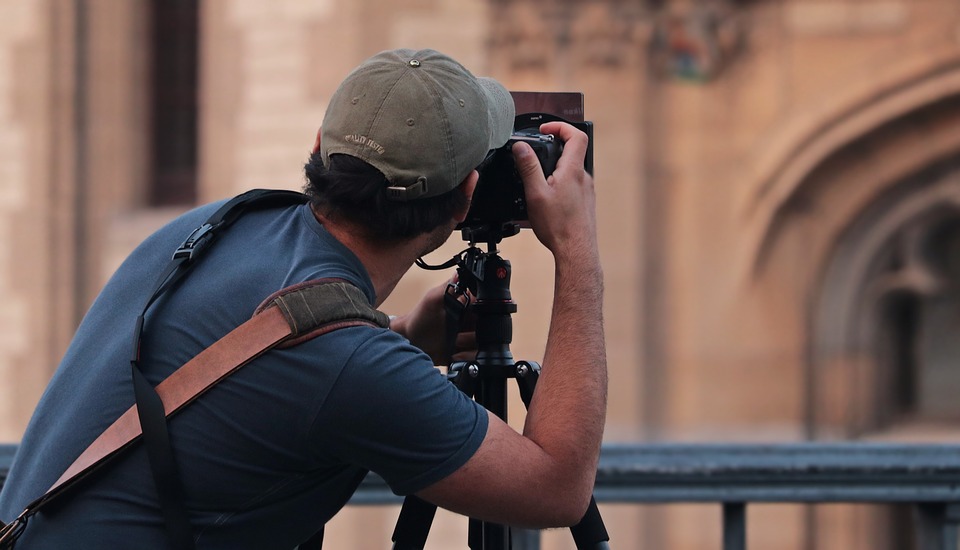
Camera Placement
There is a movie merely a performance with no camera to catch it for fun and long-distance viewing. However, in which a Cinematographer selects to set the camera with regard to dialog or the actions could heighten the significance of a scene.

For example, the scene is a date in a restaurant. The viewer may feel they are spying on a romantic moment In case the Cinematographer makes the decision to put the camera much from the bunch in dinner. Or the distance between few and also the camera may be utilized to mirror the distance between both people.

If the Cinematographer opts to set the camera directly the result could be claustrophobia. Two of those people about the date or that one believes pressure behave a specific way or to function. The Cinematographer is currently now currently making a decision about the camera positioning will help determine the weight of this scene.

Camera Movement
Camera motion — the decision may alter a movie is viewed by a viewer. Think about the difference it would make while shooting at a vehicle chase in the event the Cinematographer made a decision to keep the camera in one place rather than after the activity.

That’s the reason why action and adventure films involve a lot of camera motion to keep that sense of movement both by the personalities to another by a storytelling perspective, in addition to the shift of a single place.

A decision might be also made by A Cinematographer. In a court drama, this strategy could work By way of instance, as a camera may be employed to enhance strain. With nowhere to escape, while both sides claim the case to convince the prosecution to hand on an innocent or guilty verdict, the crowd is made to wait and watch.

Composition
Among the decisions a Cinematographer makes for every shot is what’s going to be found inside — or its own makeup. Composition describes the components within that framework and every photo is framed. This part of cinematography plays an essential part in determining if they understand it and exactly what the audience understands.

The article can be crucial in horror films while significant in most genres of film. Let us say there is a young teenager currently strolling through a home by himself. A Cinematographer may make the choice the audience doesn’t have any concept about what is about him before he is confronted by it, or her danger may be lurking, to framework the Actor.

Or the Cinematographer may opt to get a framework that shows each room the protagonist walks beyond. And if he might not observe that the villain hiding the viewer does! Suspense cans heighten, nevertheless, each informs the crowd will respond to the narrative.

Concentrate
The dilemma of focus may seem very dry and cut. A movie must be in attendance? The crowd might become frustrated with the pictures that are blurry and suppose that the creation needs to have endured from an error.

However, for some Cinematographers, playing attention can improve the effectiveness of the narrative. Let us mention that the scene in question would be an elderly individual who’s retelling a story. A Cinematographer obscure to mirror the fond nonetheless fuzzy recollections of their past of that the protagonist or could create that flashback fuzzy.

The focus may also be used to highlight certain elements. Simply take a shot like somebody paying their invoices and sitting at a desk. Behind this is a window.

A Cinematographer may opt to set the focus on the foundation section of this window to demonstrate the long-lost partner of the character walking into the doorway highlighting the connection between them both. At precisely exactly the identical time, the individual at the table may be unfocused to fortify their ignorance concerning what’s going to take place.

Lighting
Though the Gaffer — Lead Lighting Tech — is in control of the implementation of the light layout, the Cinematographer generally is whoever determines what that design is.

Lighting is now such a basic part of encouraging the story of a film that men and women take for granted its own usage in various genres. For example, to emphasize emotion and their tone, comedies are filmed using light which eliminates any regions of shadows or darkness. Are movies or thrillers, which are inclined to favor light to highlight the puzzle and the moodiness of the tales?

Irrespective of genre, light is a consideration a Cinematographer may utilize to influence the viewer’s emotional reaction to it and this film’s tone.

Equipment & Added Obligations
While a Cinematographer’s task entails making artistic options, those choices all can only be executed via the use of gear. By filters and cameras into lenses and dollies, a Cinematographer has a wide variety of devices that may help realize their vision.

There is a Cinematographer liable for determining what gear may serve the requirements of the creation. That said, based on how big this manufacturing, a Cinematographer might likely have a whole camera section that could help in making the choices and bringing the vision of their Cinematographer to a lifetime. That is among the most crucial decisions a Cinematographer can create is that they would like to collaborate on the movie.

It also needs to be noticed that the association between the Director and Cinematographer may significantly influence the expression of the movie.

Some anglers might decide to concentrate on the operation of filmmaking components and the Actors, letting the Cinematographer discretion concerning the movie’s storytelling component. Directors offer their input and regularly and the Cinematographer can collaborate.


The Role and Significance of a Cinematographer

What’s Cinematography?

Cinematography is storytelling at television series or a motion picture and the craft of photography. Cinematography includes all onscreen visual components, such as light, design, composition, camera movement, camera angles, movie collection, and lens options, depth of subject, zoom, focus, color, exposure, and filtration.

What’s Cinematography Important into Filmmaking?

Cinematography encourages and sets the mood and both the appearance of the visual storyline of a film. Every visual component that appears on display, a.k.a. the mise-en-scène of a movie, can function and increase the narrative –so it’s the cinematographer’s duty to make certain that each component is cohesive and encourage the narrative. Filmmakers opt to devote nearly all their funding to ensure the movie will seem amazing.

Exactly what Can a Cinematographer Do?

Even a cinematographer is in control of the light team and the camera. They are the individual responsible for framing each and every shot in a movie, and also for making the appearance, color, light. As a cinematographer’s task would be to make sure that their decisions support the director-general vision for the movie the movie’s director and cinematographer work together. The cinematographer can behave because of the camera operator productions. Cinematographers who operate their way upward in the movie industry can combine the American Society of Cinematographers, which provides awards to the best cinematography and enables members to place “ASC” following their name from credits.

6 Obligations and Obligations of some Cinematographer

  • Chooses a visual design for the movie. A cinematographer decides the strategy and the design of the movie. As an instance, a cinematographer in a movie decides even to rely on photos whether to utilize re-enactments and discovered footage.
  • Establishes the camera set up for each and every single photo. A cinematographer determines which kinds of camera angles, camera lenses, cameras, and camera methods bring the scene to life. A cinematographer functions together using the places boss, the script manager, and, if needed to scope out. This helps conserve scale and the intention of the movie.
  • Determines the light for each and every single scene. A cinematographer uses light to make. They need to understand how to boost comparison, a picture’s depth, and shape to encourage the atmosphere of the story.
  • Explores the possibility of each place. A cinematographer knows what the manager excites and will make recommendations.
  • Attends rehearsals. Rehearsals are attended by Even a cinematographer because the blocking evolves and to get a spectacle will change. Cinematographers correct the camera response to activity or a gesture, and as celebrities obstructing and adapt their own body positions, to fit the grade of this shot.
  • Elevates the eyesight of this manager. A cinematographer will present theories and ideas the manager might not have thought about.


The Differences Between Videography and Cinematography

If you’re planning to employ a video production firm for your organization, it’s very necessary to comprehend what sort of technician you’re hiring — just a videographer or cinematographer?

Knowing the distinction between videography vs. cinematography, and selecting the ideal professional, are critical elements of advertising success. The newest image that you would like to produce your organization or how you want the advertising material to be conveyed into your clients may play an important part in the accomplishment of your small enterprise.

While the job of the two cinematographers and videographers might entail basically filming using a camera, there’s a noticeable difference in how it’s accomplished by means of a videographer and a cinematographer. Let us learn more.

Cinematographer

As its name implies these professionals are generally related to the filming of cinemas or films. Otherwise referred to as the directors of photographs, they’re professionals hired by film production homes to orchestrate and implement the manager’s vision and take this to another level. The cinematographers are liable for carrying the artistic and technical choices about the lighting, use of lenses, along with cameras for various scenes, vulnerability, filters, zoom, and camera motion, etc. Employing the proper technical tools is critical to capturing the eyeglasses flawlessly, and also to unexpectedly affect how in which the audience perceives, interprets, and joins with the presentation or story. Every decision taken from the cinematographer needs to be in accord with the narrative and needs to align properly with exactly what the manager is attempting to portray and communicate.

The cinematographer generally works or contributes a significant team comprising a camera operator, both mild supporters, etc. and can be responsible for distributing the manager’s idea into pictures that may capture the viewers’ interest and attention. Cinematographers aren’t ordinarily involved with the editing and post-production pursuits.

Videographers

Videographers, on the flip side, function basically as a one-time military who’s hired to play and movie events such as interviews, weddings, conferences, and other pursuits. Working independently or with a little group, they generally run the camera, organize audio, pick the place, catch the occasion end to finish, and finish this up using editing. The videographer’s main focus is on getting the vital moments of this event as it occurs, and they seldom have control over the way in which the event evolves.

Conclusion

While the fundamental assumption of shooting an event is exactly the same involving videography and cinematography, there’s a good line that sets the two apart from each other. Even though the cinematography is much more about the science and art of creating a film, videography is mainly about documenting an event. The prior is much significantly more creative and combined with all the craft of storytelling, so the latter is all about capturing and documenting the event with substance limitations and limited funds. If it comes to picking between videography vs. cinematography, if your goal is building or advertising, then it makes sense to employ a cinematographer compared to a videographer.


What format do movie theaters now use?

Whilst there are a few cinemas that nevertheless maintain the usage of 35mm projectors, it is reasonable to state that these are just used for specific events. Contemporary cinema, where I mean that the business that spreads and displays mainstream articles (therefore any new releases) are only distributed in electronic format.

In early 2002, Hollywood searched to standardize the technology to the extraordinary benefits it owned. Digital projectors are industry-standard because 2005 in the United Kingdom, but much sooner in America and China. Owing to the cinematic heritage and comparative dimensions, the UK is nearly always used as the ‘controller’ in rolling out cinematic technology. It’s normally quantified as an experiment, and as the addition of noise, color, along with 3D cinemas demanded refits and refurbishment, that is currently occurring with electronic supply. The remaining portion of the planet is moving in the exact identical way, but with various degrees of immersion from the cinematic procedure.

Many cinemas utilize a method known as DCP that’s actually a USB pen that gets sent around within a circumstance. It enhances responsibility on behalf of cinema-pirates, as every Pen has a definite number of permits on it. A marginally older engineered variant of big mobile hard-drives, but those are being phased from flow also.

A DCP is merely a document that needs activation from a permit. The DCP is signed up due to the cinema, and the projectionist is provided the permit activation code to permit the material to be performed. Many cinemas have a permit retainer or master permit for articles. Since most multiplex cinemas are a part of an exhibition series, they’re usually less vigilant in protecting their material and will manage the management of the material negating such rigorous protection. More importantly, satellite technology has been researched so as to decrease the expense of supply (that has more than halved in the previous ten years). Under satellite programs, the movie is downloaded in a secure server along with also the movie is activated to be used through satellite; Cells may also be controlled remotely via the satellite, and that centralizes the full procedure externally.

This is a technique that’s been spearheaded in the United Kingdom by these endeavors as National Theatre Live along with Opera Live. Whilst they do broadcast internationally, they remain a minority interest to exhibitors (even though an increasing one, because of their achievement). The heritage of those jobs won’t, but come out of their material but by their own way of supply. But now, many vendors are boosting their simplicity of use as leverage to convince developers to pursue satellite supply because it reduces the costs dramatically. Much like many cases of a private venture, the actual driving force behind satellite supply is that the revenue stream it generates, and also the relative immediacy of the income. It is the worst kept secret of the majority of cinemas the most profitable single-income origin is that the ads that are displayed prior to a characteristic.

The movie needs to be published on celluloid, which can be costly and generates just 1 copy. If you would like to start in each movie in the US (unlikely, but let us pretend this illustration is really a Star Wars Scenario) you are taking a look at 40,000 prints. Now attempt to imagine an international box office so quadruple it, at the least. You also must factor in the expense of transport of stated prints, degradations, and recirculation, fix (the times of 35mm splice tasks have long gone, rather than shortly missed) as well as most overlooked of …insurance.

A lot of men and women understand that film stock used to be made from the exceptionally flammable silver nitrate, as shown through the finale of Tarrantino’s Inglorious Basterds. Throughout these first days of cinema, the relative danger of hauling these prints has been consumed by the supply businesses. When insurance companies became prevalent practice, this price was onto them and if the movie stock shifted and became hazardous, what exactly did the insurance companies do? Up until electronic content distribution, insurers refused to admit the relative threat of transport had diminished and managed to bill disproportionate costs for movie distribution; a clinic that proceeds with 35mm, though it’s a dying economy hence costs are falling significantly. Satellite supply has eliminated these overheads entirely, and there’s just no viable option on almost any moderate to large scale performance.

It is reasonable to say that many if not all of the cinemas are currently fitted with electronics, and over another 20 years (since they eventually become satellite harmonious) we shall likely understand the extinction of this projectionist: they will become something which’s wheeled out on particular events to show vestigial technology, to flaunt its novelty. That is more or less the situation today, really.


Responsibilities of a Cinematographer

The Cinematographer, who might also be known as the Director of Photography, is whoever heads all decisions having to do with the visual part of a movie. As previously stated, they need to consider facets of how these pictures may be responded to by a viewer, and that impact a movie appears.

Camera Placement

There is a movie merely a performance with no camera to catch it for fun and long-distance viewing. However, in which a Cinematographer selects to set the camera with regard to dialog or the actions could heighten the significance of a scene.

For example, the scene is a date in a restaurant. The viewer may feel they are spying on a romantic moment In case the Cinematographer makes the decision to put the camera much from the bunch in dinner. Or the distance between few and also the camera may be utilized to mirror the distance between both people.

If the Cinematographer opts to set the camera directly the result could be among claustrophobia. Two of those people about the date or that one believes pressure behave a specific way or to function. The Cinematographer is currently now currently making a decision about the camera positioning will help determine the weight of this scene.

Camera Movement

Camera motion — the decision may alter a movie is viewed by a viewer. Think about the difference it would make while shooting at on at a vehicle chase in the event the Cinematographer made a decision to keep the camera in one place rather than after the activity.

That’s the reason why action and adventure films involve a lot of camera motion to keep that sense of movement both by the personalities to another by a storytelling perspective, in addition to the shift of a single place.

A decision might be also made by A Cinematographer. In a court drama, this strategy could work By way of instance, as a camera may be employed to enhance strain. With nowhere to escape, while both sides claim the case to convince the prosecution to hand on an innocent or guilty verdict, the crowd is made to wait and watch.

Composition

Among the decisions a Cinematographer makes for every shot is what’s going to be found inside — or its own makeup. Composition describes the components within that framework and every photo is framed. This part of cinematography plays an essential part in determining if they understand it and exactly what the audience understands.

The article can be crucial in horror films while significant in most genres of film. Let us say there is a young teenager currently strolling through a home by himself. A Cinematographer may make the choice the audience doesn’t have any concept about what is about him before he is confronted by it, or her danger may be lurking, to framework the Actor.

Or the Cinematographer may opt to get a framework that shows each room the protagonist walks beyond. And if he might not observe that the villain hiding the viewer does! Suspense cans heighten, nevertheless, each informs the crowd will respond to the narrative.

Concentrate

The dilemma of focus may seem very dry and cut. A movie must be in attendance? The crowd might become frustrated with the pictures that are blurry and suppose that the creation needs to have endured from an error.

However, for some Cinematographers, playing attention can improve the effectiveness of the narrative. Let us mention that the scene in question would be an elderly individual who’s retelling a story. A Cinematographer obscure to mirror the fond nonetheless fuzzy recollections of their past of that the protagonist or could create that flashback fuzzy.

The focus may also be used to highlight certain elements. Simply take a shot like somebody paying their invoices and sitting in a desk. Behind this is a window.

A Cinematographer may opt to set the focus on the foundation section of this window to demonstrate the long-lost partner of the character walking into the doorway highlighting the connection between them both. At precisely exactly the identical time, the individual in the table may be unfocused to fortify their ignorance concerning what’s going to take place.

Lighting

Though the Gaffer — Lead Lighting Tech — is in control of the implementation of the light layout, the Cinematographer generally is whoever determines what that design is.

Lighting is now such a basic part of encouraging the story of a film that men and women take for granted its own usage in various genres. For example, to emphasize emotion and their tone, comedies are filmed using light which eliminates any regions of shadows or darkness. Are movies or thrillers, which are inclined to favor light to highlight the puzzle and the moodiness of the tales?

Irrespective of genre, light is a consideration a Cinematographer may utilize to influence the viewer’s emotional reaction to it and this film’s tone.

Equipment & Added Obligations

While a Cinematographer’s task entails making artistic options, those choices all can only be executed via the use of gear. By filters and cameras into lenses and dollies, a Cinematographer has a wide variety of devices that may help realize their vision.

There is a Cinematographer liable for determining what gear may serve the requirements of the creation. That said, based on how big this manufacturing, a Cinematographer might likely have a whole camera section that could help in making the choices and bringing the vision of their Cinematographer to lifetime. That is among the most crucial decisions a Cinematographer can create is that they would like to collaborate on the movie.

It also needs to be noticed that the association between the Director and Cinematographer may significantly influence the expression of the movie.

Some anglers might decide to concentrate on the operation of filmmaking components and the Actors, letting the Cinematographer discretion concerning the movie’s storytelling component. Directors offer their input and regularly and the Cinematographer can collaborate.


Know the Cinematographer and Its Importance

What’s Cinematography?

Cinematography is storytelling at television series or a motion picture and the craft of photography. Cinematography includes all onscreen visual components, such as light, design, composition, camera movement, camera angles, movie collection, and lens options, depth of subject, zoom, focus, color, exposure, and filtration.

What’s Cinematography Important into Film-making?

Cinematography encourages and sets mood and both the appearance of the visual story line of a film. Every visual component that appears on display, a.k.a. the mise-en-scène of a movie, can function and increase the narrative –so it’s the cinematographer’s duty to make certain that each component is cohesive and encourage the narrative. Filmmakers opt to devote nearly all their funding to ensure the movie will seem amazing.

Exactly what Can a Cinematographer Do?

Even a cinematographer is in control of the light team and the camera. They are the individual responsible for framing of each and every shot in a movie, and also for making the appearance, color, light. As a cinematographer’s task would be to make sure that their decisions support the director general vision for the movie the movie’s director and cinematographer work together. The cinematographer can behave because the camera operator productions. Cinematographers who operate their way upward in the movie industry can combine the American Society of Cinematographers, which provides awards to the best cinematography and enables members to place “ASC” following their name from credits.

6 Obligations and Obligations of some Cinematographer

  • Chooses a visual design for the movie. A cinematographer decides strategy and the design of the movie. As an instance, a cinematographer in a movie decides even to rely on photos whether to utilize re-enactments and discovered footage.
  • Establishes the camera set up for each and each single photo. A cinematographer determines which kinds of camera angles, camera lenses, cameras, and camera methods bring the scene to life. A cinematographer functions together using the places boss, the script manager and, if needed to scope out. This helps conserve scale and the intention of the movie.
  • Determines the light for each and each single scene. A cinematographer uses light to make. They need to understand how to boost comparison, a picture’s depth, and shape to encourage the atmosphere of the story.
  • Explores the possibility of each place. A cinematographer knows what the manager excites and will make recommendations.
  • Attends rehearsals. Rehearsals are attended by Even a cinematographer because the blocking evolve and to get a spectacle will change. Cinematographers correct the camera response to activity or a gesture, and as celebrities obstructing and adapt their own body positions, to fit the grade of this shot.
  • Elevates the eyesight of this manager. A cinematographer will present theories and ideas the manager might not have thought about.


The Role of A Cinematographer

Have you ever seen a film and stumbled upon a shooter which has been so stunning you thought for yourself, “Wow, that was magnificent!”? Well, behind this angle was a cinematographer. Not necessarily working the camera but “painting” the appearance. Here is what the cinematographer does.
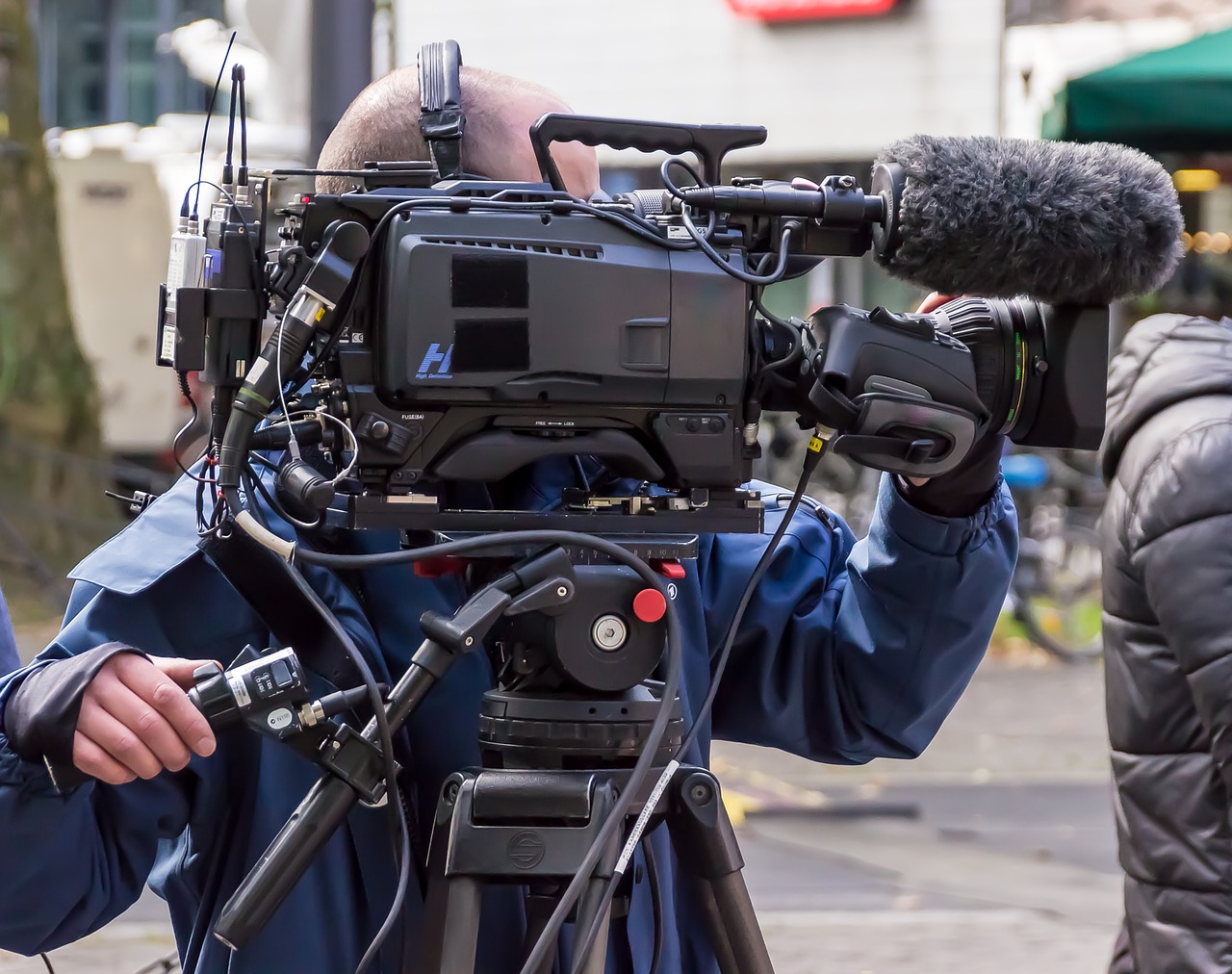
The cinematographer or even Director of Photography (DP) is the individual in control of actually shooting the movie. He’s the mind of this light and camera branches, and as he has a part in the creating of any picture. As soon as pre-production, the DP must make some significant decisions concerning the appearance and texture of a picture: Is it likely to be color or black and white? Are you currently shooting film or digital (the latter is getting rarer and rarer)? When a color is utilized, will the colors be saturated and vibrant or faded along with “dull”? Is your camera likely to become omniscient it must be and be, or can it be tied into a personality revealing their POV? Are you currently going to get a more realistic tone or an expressionistic a single?

All these are a few with, and they do not make those decisions. The Director remains the “inventive tyrant” that must oversee and accept of some feature of the creation. However, like best buddies, cinematographers, and directors are in some group. One supports the other, and they ought to be a system they could, once the planets align, browse others’ thoughts.

Let’s recall that pictures aren’t playing. Cinematography’s ability is made up of evoking feelings of pleasure, despair, comedy, and anxiety through a syntax that’s been created for at least a century’s mastery. Angles, dimensions, and motions are camerawork, which, along with form the gist of cinematography’s center.

The Craft of the Cinematographer

The term cinematography stems from the Greek origins kinema (motion) and also chart (composing). A cinematographer moves the camera or does more than just mild a spectacle. He also analyzes the script also generates elaborate lighting set up and fortify the storyline and camerawork that excite emotions. He conveys a character’s fantasy, hope, grief, or pleasure according to where lighting and camera are put.

The director of photography is most referred to as a painter, and his picture is your display. His “brush” will be your celebrities, the lights, and the place, the place, the props, etc.. These are the components the DP can command to create each shooter. Along with the shooter, incidentally, is your tiniest unit one of the movies, the building blocks for those who may. And such as Lego, a few could be reddish and little shaped just like a brick although some can be large and gloomy shaped like an auto. It is how these bits are blended with this issue.


The Significance of Cinematography and Cinematographer

Film production is an enterprise. One invests a good deal in a film’s introduction and they create a good deal of cash when all goes well. Therefore, movie schools that provide movie making courses’ quantities have grown. In its imaginative format and one of the many facets of film-making, the cinematography is easily the most ambitious, enjoyable and intriguing facet. Therefore, should you want to find out more about cinematography and also the part of a cinematographer, then keep reading.

Cinematography is known as the artwork of transferring photography. It’s the facet of film-making, in which a cinematographer determines which lighting and camera effects ought to be utilized while filming scenes from a film. That is the component of movie-making that assesses the imagination of the folks behind the scenes. Cinematography is the facet of film-making that’s quite difficult to find out. And in the event the cinematography of a movie or a movie is not appropriate, then the movie may not truly get the job done.

Several Aspects

Film Stock: The simplest step in the practice of film-making is that the area where the cinematographer selects the ideal film speed, film judge and color sensitivity necessary for recording the shifting pictures.

Filters: Regardless of if or not a cinematographer employs color effects blockers or even diffusion filters, filters may be used for creating a more striking impact for a particular scene in a picture.

Lens: The lens selected by means of a cinematographer has an effect on the appearance, feel and impact of this movie. The capacity to pick the best lens for the ideal scenes is important as picking an incorrect lens can completely change the picture. If you require a Cinematographer Washington DC, be certain they have the proper skills to decide on the ideal lens dependent on the picture being taken.

Framing and Aspect Ratio: The picture’s width to height ratio creates the picture’s aspect. Various ratios have different cosmetic consequences.

Lighting: This can be very essential in cinematography since it’s the light that leads to the ideal sort of pictures. After the light is correct, it arouses the ideal emotions a manager would really like to realize. Therefore, unless the light is appropriate a movie doesn’t express the proper emotions demanded in a specific scene. Professional Videographers at DC have the knack of selecting the ideal lighting for the ideal setting and will create a specific scene that seems as great as possible.

Movement of Camera: It’s the facet of cinematography which permits the movie’s viewer to have a crucial viewpoint so as to know the movie properly.

Therefore, whether you are shooting a fiction film or a documentary, then just an expert will comprehend the fundamentals of cinematography and supply you with the type of movie you want. Possessing a video recording apparatus is not the only crucial point to capture a gorgeous movie. Selecting your team, your Cameraman at Washington DCis also quite significant. It’s the art that’s involved with picking the ideal gear and configurations which makes a picture a part of the artwork. So be sure to employ a professional cinematographer for virtually any type of movie-making.


What is the Work of a Cinematographer

cameraman-1399789_960_720Have you ever seen a film and stumbled upon a shooter which has been so stunning you thought for yourself, “Wow that was magnificent!”? Well, behind this angle was a cinematographer. Not necessarily working the camera but “painting” the appearance. Here is what the cinematographer does.

The cinematographer or even Director of Photography (DP) is the individual in control of actually shooting the movie. He’s the mind of this light and camera branches, and as he has a part in the creating of any picture. As soon as pre-production, the DP must make some significant decisions concerning the appearance and texture of a picture: Is it likely to be color or black and white? Are you currently shooting film or digital (the latter is getting rarer and rarer)? When a color is utilized, will the colors be saturated and vibrant or faded along with “dull”? Is your camera likely to become omniscient it must be and be, or can it be tied into a personality revealing their POV? Are you currently going to get a more realistic tone or an expressionistic a single?

All these are a few with, and they do not make those decisions. The Director remains the “inventive tyrant” that must oversee and accept of some feature of the creation. However, like best buddies, cinematographers and directors are in some group. One supports the other, and they ought to be a system they could, once the planets align, browse others’ thoughts.

Let’s recall that pictures aren’t playing. Cinematography’s ability is made up of evoking feelings of pleasure, despair, comedy, and anxiety through a syntax that’s been created for at least a century’s mastery. Angles, dimensions, and motions are camerawork, which, along with with form the gist of cinematography’s center.

The Craft of the Cinematographer

The term cinematography stems from the Greek origins ‘kinema’ (motion) and also chart (composing). A cinematographer moves the camera or does more than just mild a spectacle. He also analyzes the script also generates elaborate lighting set up and fortify the storyline and camerawork that excite emotions. He conveys a character’s fantasy, hope, grief, or pleasure according to where lighting and camera are put.

The director of photography is most referred to as a painter, and his picture is your display. His “brush” will be your celebrities, the lights, and the place, the place, the props, etc. These are the components the DP can command to create each shooter. Along with the shooter, incidentally, is your tiniest unit one of the movies, the building blocks for those who may. And such as Lego, a few could be reddish and little shaped just like a brick although some can be large and gloomy shaped like an auto. It is how these bits are blended with this issue.


What Does It Mean To Be Considered A “Great” Cinematographer?

There’s to being truly a fantastic DP than getting spectacular pictures, an infinitely more.

cinematography

For many in the beginning of the occupation just like a DP people, the main importance is on taking excellent pictures, nearly completely. That’s regular, clearly, since the whole objective they experienced the division of the cinematography is most likely since they decreased in heavy love with cradling beautiful cameras, and making buildings encompassing illumination. But being truly a fantastic DP indicates much more than having creative skill.

Quality photography
That’s obvious—good quality pictures can be produced by DPs. Workman claims that since is just a revolutionary and specialized expertise, you have to comprehend lighting engineering from camera/ camera movement, color areas, framework, and so forth. Its able though I’d would rather include this one of the primary signs of the nice to inform tales DP may be the proven fact that their function not only looks fantastic. Being -experienced within theater’s vocabulary, how views, numerous construction, camera movements, etc. convey different suggestions and the marketplace emotions, is of the very significance.

Bear also and in mind have compassion for that group. It takes many people to acquire a film created though you prefer a DP are an important aspect in the film having compassion for anyone people is certainly an amount of the truly amazing DP, and making procedure. Why? Since teamwork. The DP a person wants to utilize will be the one which operates together an organization and gets along, not only one that complains in regards to the anticipated shortsightedness of the maker who not give them the apparatus how various sections have become inside their method or they require. (It’s more fun in this way.)

Organization is worked by an excellent understanding of how a company. It isn’t the greatest point about film-making, but it’s extremely important if you want to be always a fantastic DP, the way the money works in this company to comprehend.

Workman explains that understanding how to invest assets is crucial, because this could help to maintain along costs, revenue within the end aid, in addition to up-to maintain these firms that utilize you functioning.

When you have no idea just how to invest assets, you’ll find yourself obtaining an intense budget and arriving all that cash on substance that you don’t absolutely need. You are able to maintain your client plenty of revenue by concentrating on the way the organization works.

These are merely three items which produce a “great” DP—clearly you will find undoubtedly lots of others. Let’s learn inside the comments what kinds of products you think produce a cinematographer “good”.

Building the Perfect Film Location: How Geosynthetics Stabilize Landscapes Used in Movies

Filmmakers often tackle extreme environments, from rugged cliffs to shifting riverbanks and sandy deserts. These locations can be visually stunning, but they pose serious challenges for crews and equipment. Without proper stabilization, erosion, mudslides, and uneven terrain can delay shooting schedules and increase costs. Geosynthetics offer a solution by reinforcing landscapes and creating safer, more reliable filming grounds.

Production teams in Malaysia and across Asia have increasingly turned to infrastructure materials Malaysia to support film locations. Geotextiles, geomembranes, and geogrids are used to strengthen soil, prevent erosion, and maintain smooth surfaces for temporary roads or camera setups. These materials allow crews to work efficiently even in areas prone to heavy rain or shifting sands.

How Geosynthetics Work on Film Sets

geotextiles and geomembranes for fim making

Geosynthetics stabilize landscapes through a combination of reinforcement, separation, filtration, and drainage. For example:

  • Geotextiles act as a protective layer, keeping soil in place while allowing water to drain. They are particularly useful on slopes and embankments.
  • Geomembranes create impermeable barriers, which prevent water from saturating unstable soil, reducing the risk of mudslides and erosion.
  • Geogrids provide structural reinforcement, ensuring that temporary roads or camera platforms remain solid even under heavy equipment.

These systems are lightweight, flexible, and easy to install, which is crucial for film productions that require fast setup and teardown. Locations can be transformed without leaving permanent marks on the environment.

Applications in Different Environments

Geosynthetics are versatile. On desert sets, they prevent sand from shifting into pathways or camera tracks, keeping shots smooth and uninterrupted. Mountainous terrains benefit from erosion control mats, which stabilize loose rock and soil, reducing hazards for crew and actors. Riverbanks often see geomembranes protecting against flooding while preserving natural water flow. Even temporary roads that transport heavy trucks and lighting rigs can be reinforced with geogrids to prevent rutting and soil displacement. For more insight on how professional crews prepare challenging environments, see movie production location and sets during filming.

Benefits for Film Productions

Using geosynthetics on film sets offers multiple advantages:

  • Safety: Stabilized landscapes reduce accidents caused by slipping or falling terrain.
  • Cost efficiency: Avoiding erosion damage lowers maintenance and reconstruction costs during shooting.
  • Environmental protection: Temporary stabilization preserves the natural environment, allowing production crews to leave locations unchanged once filming wraps.
  • Flexibility: Materials can be adapted to different soil types and weather conditions.

Mountain and Desert Shoots

Imagine a film crew shooting on a cliffside with loose gravel and unpredictable weather. Geogrids can create a firm base for camera platforms, while geotextiles secure soil to prevent slides. Meanwhile, desert sets require geomembranes to prevent sand from covering roads and lighting setups. These measures allow filmmakers to maintain continuity in their shots while safeguarding equipment and personnel.

Integrating Sustainability into Film Production

Beyond practical stability, geosynthetics align with sustainability goals. Many materials are reusable or recyclable, reducing the carbon footprint of temporary structures. They allow crews to shoot in delicate ecosystems without long-term damage, which has become a priority for eco-conscious productions.

By combining safety, efficiency, and environmental responsibility, geosynthetics help studios create cinematic landscapes without compromising natural beauty.

Future of Film Location Design

As film productions increasingly venture into extreme environments, geosynthetics will play a larger role in location planning. Engineers and designers are exploring advanced composites and modular stabilization systems that can be rapidly deployed and adapted. These innovations ensure filmmakers have more creative freedom while keeping crews and equipment protected.

Geosynthetics are transforming how locations are prepared for movies, providing both safety and environmental stewardship. From deserts to riverbanks, temporary roads to cliffside platforms, these materials create stable, sustainable environments for cinematic storytelling. As demand for diverse, challenging locations grows, the integration of geosynthetics ensures that film productions remain both feasible and responsible.

From Screen to Street: How Tanahiyot Sandals Evoke Cinematic Storytelling in Costume Design

handmade leather Tanahiyot sandals

Simple leather straps bound ancient feet to the dusty paths of Judea. Those straps held stories of prophets, warriors, and wanderers. Today, they inspire more than dusty trails. They shape wardrobes in blockbuster films and casual strolls alike. Sandals like these whisper tales of endurance and faith.

Designers draw from biblical times to craft authenticity on screen. In epic movies, every detail counts. Footwear grounds characters in their world. Take the classic film The Ten Commandments. Moses strides through deserts in rugged sandals, their worn soles echoing his long journey. These aren’t just props. They tell of exile and revelation. Similarly, Ben-Hur showcases charioteers whose laced footwear grips the arena sand. Such choices pull viewers into history. And brands like Tanahiyot revive these designs with handmade care, using premium Italian leather for modern comfort.

Roots in Biblical Epics

Historical films lean on real artifacts for their costumes. Archaeologists uncovered similar sandals at sites like Masada. These finds guide costume teams. Simple soles with crisscross straps protected feet from scorching earth. No frills. Just function and form.

Consider Charlton Heston’s portrayal of Moses. His sandals in The Ten Commandments—crafted from thick leather—mirrored ancient Egyptian and Hebrew styles. They allowed air to flow in the heat. Yet they hinted at humility. “The footwear had to feel lived-in,” costume designer Edith Head once noted. “It binds the actor to the land.” Her work won acclaim. It turned myth into something tangible.

  • Straps often wrapped ankles for stability during treks.
  • Soles came from local hides, tough against rocks.
  • Designs varied by status—slaves wore plain ones, leaders added subtle ties.

Fast forward to Ben-Hur. Judah’s sandals lace up tight, ready for the chariot’s fury. They symbolize his fall from prince to galley slave. Then, his rise. Director William Wyler obsessed over details. He wanted every step to pulse with emotion. These films sparked a trend. Sword-and-sandal epics flooded screens in the 1950s and 60s. Each one featured footwear that bridged eras.

What makes these designs timeless? They evoke wanderlust. A hero’s stride across dunes. The quiet resolve of a shepherd. Filmmakers use them to layer character. Sandals aren’t flashy like crowns. They ground the wearer. They invite empathy.

Modern Twists on Ancient Threads

Screen magic spills into wardrobes today. Viewers leave theaters craving that vibe. Sandals from biblical sets inspired fashion lines. Think strappy gladiator styles on runways. They nod to epics without the dust.

Comfort meets craft in contemporary pairs. Hand-stitched edges. Flexible soles that mold to your step. These pieces echo movie authenticity but fit busy lives. Pair them with jeans for a market run. Or linen robes for a garden party. The bridge is seamless.

  • Breathable leather keeps feet cool on hot days.
  • Neutral tones blend with any outfit.
  • Durable builds last through travels, just like in the films.

One designer shared her secret. “I sketch from old sketches,” she said. “Those movie frames? They’re my muse.” Her collections sell out fast. Fans spot the cinematic flair. It’s subtle. A crossed strap here. A heel loop there. Suddenly, your walk feels like a scene.

Why the pull? In a world of sneakers, these stand out. They slow you down. Make you notice the ground beneath. Like characters pondering their fate mid-stride.

READ ALSO: 5 Essential Things Cinematographers Need to Know About Austria Vignettes for Filming

Stories Woven in Leather

Each pair carries a narrative. Imagine slipping into sandals that could have graced a prophet’s path. They soften modern soles with ancient grace. Films taught us this. Their costumes linger in memory. The creak of leather. The shift of straps. It’s poetry in motion.

Brands revive this art with passion. They source hides ethically. Stitch by hand. Test for miles. The result? Footwear that whispers of distant sands yet hugs your city streets. Versatile. Timeless. Yours to storytell.

  • Choose wide straps for a bold, heroic look.
  • Opt for slim ties to channel quiet wanderers.
  • Always check the fit—history deserves comfort.

Picture a summer festival. You’re there in laced sandals, breeze teasing the ties. A friend asks about them. You smile. “They come from old movies. Epic ones.” Conversation flows. Like the films themselves.

A Timeless Stride

Cinema and closets entwine through these soles. What starts on vast sets ends in daily steps. Sandals like Tanahiyot ones keep the tale alive. They turn ordinary paths into adventures. Who knows what plot your next walk might unfold?

Next time a biblical epic flickers on screen, pause. Watch those feet. See the story in the straps. Then lace up your own. Let the screen-to-street journey begin. It’s yours now. Step into it.

From Scrubs to Sneakers: How Movies Shape Our View of Nurse Footwear

When we think of nurses on screen, scrubs usually take center stage. However, there’s another aspect of the uniform that subtly influences our perception of the profession: shoes. For decades, movies have framed nurse footwear—from traditional clogs to modern nurse sneakers—as a symbol of practicality, professionalism, and even character. And over time, those portrayals have spilled beyond the screen, influencing real-world trends in what nurses actually wear on the job.

The Origins of the “White Shoe” Image

For much of the 20th century, the standard picture of a nurse was tied to crisp white uniforms and polished shoes. Classic films like The Nun’s Story (1959) or One Flew Over the Cuckoo’s Nest (1975) often reinforced this look. The shoes—usually lace-up leather oxfords or clunky slip-ons—suggested discipline and hygiene. They were more about projecting a sense of order than about comfort.

This image was so persistent that nursing schools across the U.S. required white shoes as part of the dress code well into the 1990s. On-screen portrayals didn’t create that standard, but they reinforced it. A nurse in clean white shoes became shorthand for trustworthiness and authority.

Shift Toward Realism and Comfort

By the late 1980s and 1990s, medical dramas and films started leaning into realism. Movies like Awakenings (1990) and Patch Adams (1998) depicted nurses working long shifts, walking endless hospital corridors, and needing gear that actually supported their bodies. Alongside the rise of workplace-focused shows like ER (1994), footwear on screen shifted from stiff whites to practical clogs and sneakers.

This wasn’t just a stylistic choice. It mirrored what was happening in hospitals. Nurses themselves were moving away from outdated dress codes, choosing brands like Dansko or Birkenstock for comfort. Film and TV, always eager for authenticity, picked up on the trend—and then amplified it for viewers. Audiences began to associate nurses not just with neat uniforms, but with gear built for endurance.

Sneakers as a Cultural Signal

In more recent films, sneakers have emerged as the footwear of choice for nurses. Movies like The Good Nurse (2022) and shows such as Nurse Jackie (2009–2015) present sneakers as standard issue. The shift signals more than just comfort—it reflects cultural changes in how we see nurses.

Sneakers carry different associations than white clogs. They suggest agility, modernity, and even individuality. Nurses on screen are no longer just following rigid codes; they’re professionals adapting their gear to meet the demands of intense, unpredictable work. Brightly colored sneakers or patterned clogs also allow characters to express personality, something audiences increasingly expect from “realistic” depictions.

This change resonates with real nurses. Younger generations often cite sneakers as their top choice because they bridge comfort, function, and style. Brands like Nike, Adidas, and Hoka now compete alongside traditional medical footwear companies to capture this market. The fact that a nurse in a film wears running shoes doesn’t just reflect reality—it helps validate those choices for professionals in training or early in their careers.

The Feedback Loop of Representation

What’s striking is the feedback loop between screen and practice. Nurses began adopting sneakers because they were better for their bodies. Film and television then picked up that detail to signal realism—those portrayals, in turn, normalized sneakers for broader audiences, including nursing schools and hospital administrators. What was once viewed as unprofessional is now standard, in part because it has become so visible in popular media.

There’s also the influence of celebrity. When Julia Roberts plays a nurse in Dying Young (1991), or when Jessica Chastain appears in The Good Nurse, the gear they wear gains attention. Footwear brands have noticed. Companies like Crocs and Allbirds have leaned into marketing campaigns that feature healthcare workers, knowing that cultural representation drives sales.

Beyond the Screen: Symbolism in Shoes

Nurse footwear in film is more than a practical detail—it often carries symbolic weight. White shoes once symbolized order and purity. Heavy clogs became shorthand for endurance. Sneakers, now, suggest adaptability and resilience.

For audiences, these symbols matter. A nurse in sneakers instantly feels more grounded and approachable than one in polished whites. That subtle visual cue helps shape our overall perception of the profession.

The Next Step

Where does nurse footwear on screen go from here? We’ll likely continue to see sneakers dominate, especially as real-world hospitals increasingly allow flexibility. But as media trends toward hyper-authentic storytelling, we may also see more diversity in what nurses wear—reflecting not just function, but individuality and identity.

Just as scrubs have evolved from stiff whites to patterned, personalized gear, shoes may become an even greater marker of personality on screen. That, in turn, could open the door for broader acceptance of self-expression in healthcare uniforms.

Conclusion

Movies don’t set the rules for what nurses wear, but they play a decisive role in shaping perceptions. From polished whites to sneakers, the evolution of footwear on screen has both mirrored and influenced real-world practice. What audiences see as believable and professional on screen often becomes acceptable in hospitals. In that sense, every pair of shoes a nurse character wears isn’t just a costume choice—it’s part of an ongoing conversation about identity, comfort, and the realities of care work.

Pomskies on Screen: The Next Canine Cinema Sensation

pomsky posing dramatically on a movie set

Pomskies blend the charm of a Pomeranian with the strength of a Siberian Husky. This hybrid breed, with its fluffy fur and bright eyes, captures hearts effortlessly. Their small size, paired with a bold personality, makes them a perfect fit for the silver screen. Hollywood loves a good animal star, and Pomskies have the potential to steal the spotlight. Their unique look and lively spirit could make them the next big thing in movies and TV shows.

Why do Pomskies stand out? Their appeal lies in their versatility. These dogs, often called pomskies, combine the best traits of their parent breeds. They’re compact like Pomeranians but carry the Husky’s striking features, such as vivid blue eyes or a wolf-like face. This mix creates a dog that’s both adorable and photogenic. Directors looking for a canine that can play cute or courageous will find Pomskies a natural choice. Their expressive faces can convey emotion, whether it’s a playful bark or a soulful stare.

Trainability sets Pomskies apart in the acting world. These dogs are quick learners, thanks to their intelligent Husky heritage. They can pick up commands and tricks with ease, making them ideal for complex scenes. Imagine a Pomsky dodging obstacles in an action flick or delivering a comedic performance in a family movie. Their small size also means they’re easy to handle on set. Trainers love working with dogs that respond well, and Pomskies fit the bill perfectly.

A Star for Every Genre

Pomskies could shine in any type of film. Their adaptability makes them suitable for various roles. Here’s why they’re a director’s dream:

  • Family Films: Their cuddly appearance and playful antics appeal to kids and adults alike.
  • Adventure Movies: Their Husky roots give them a rugged look for outdoor scenes.
  • Comedies: Their quirky behaviors, like dramatic howls, add humor effortlessly.
  • Dramas: Those soulful eyes can tug at heartstrings in emotional moments.

Could a Pomsky play a loyal companion in a tearjerker? Absolutely. Can they steal a scene in a buddy comedy? Without a doubt.

Hollywood has a history of canine stars. From Lassie to Rin Tin Tin, dogs have long captivated audiences. Pomskies could follow in their pawprints. Their unique look sets them apart from more common breeds like Golden Retrievers or German Shepherds. “Pomskies have that rare spark,” says dog trainer Emily Carter. “They’re not just cute; they’ve got personality that pops on camera.” This breed’s ability to connect with viewers could make them a go-to choice for casting directors.

Challenges and Charms

No dog is perfect, and Pomskies have quirks. Their high energy, inherited from Huskies, means they need plenty of exercise. On a busy film set, this could be a challenge. Trainers would need to keep them engaged to avoid mischief. However, their charm outweighs these hurdles. Their fluffy coats and expressive faces make every frame Instagram-worthy. Plus, their small size means they can fit into tight shots or cozy up to actors without overwhelming the scene.

Social media has already made Pomskies stars. Platforms like Instagram and TikTok are filled with these dogs showing off their antics. This online fame could translate to the big screen. Audiences already love watching Pomskies prance and play. Casting them in a movie would feel like a natural step. Their built-in fanbase could even boost a film’s marketing. Picture a Pomsky starring in a holiday special, melting hearts with every wag of its fluffy tail.

For more insights into this cinematic journey with your pomsky, check out Cinematic Escapes, where these themes are explored in greater depth.

The Future of Pomskies in Film

What would a Pomsky-led movie look like? Imagine a story about a plucky Pomsky on a cross-country adventure, winning over strangers with its charm. Or a TV series featuring a Pomsky as a detective’s loyal sidekick, sniffing out clues with style. Their size and smarts make them perfect for dynamic roles. As more directors discover this breed, we might see Pomskies in everything from animated films to live-action blockbusters.

Pomskies could redefine canine stardom. Their unique blend of cuteness and charisma makes them a fresh choice for filmmakers. They’re not just another pretty face; they’ve got the skills to back it up. With the right training and a good script, a Pomsky could become the next iconic movie dog. The world is ready for a new canine hero, and Pomskies are poised to take center stage. So, keep an eye on the screen—you might just see a Pomsky stealing the show.

Soothing Shots: How Korea’s Wellness Centers Are Becoming Cinematic Backdrops

Seoul spa interior

Korean wellness centers are no longer places to unwind. They’ve become stunning backdrops for K-dramas, commercials, and indie films. From Seoul’s sleek urban spas to Jeju’s nature-inspired retreats, these spaces offer cinematographers a perfect blend of serenity and style. Their minimalist designs, soft lighting, and calming ambiance create scenes that captivate audiences. This trend is reshaping how filmmakers view wellness spaces, turning them into visual stars.

Cinematographers are drawn to the clean lines and tranquil vibes of these locations. In Seoul, luxury spas like those listed on OPCMD and its partner site Seoul OP provide categorized directories to help filmmakers scout the perfect setting. These venues boast polished interiors with neutral tones, glass partitions, and natural elements like wood or stone. The aesthetic feels modern yet timeless, making it ideal for romantic scenes or introspective moments in K-dramas. For instance, a quiet massage room with dim lighting can frame a heartfelt confession, amplifying the emotional weight of the scene.

Why Wellness Centers Shine on Screen

The appeal lies in their versatility. Wellness centers offer a controlled environment where lighting and sound can be easily managed. Unlike bustling city streets, these spaces provide a calm backdrop that doesn’t distract from the narrative. Their design elements, think sleek marble floors or cascading water features, add a touch of elegance without overwhelming the shot. Directors can manipulate these spaces to evoke different moods, from peaceful to luxurious, depending on the story’s needs.

Moreover, the rise of wellness culture in South Korea has made these settings relatable. Viewers recognize the cultural significance of self-care spaces, which adds authenticity to the storytelling. A spa scene in a K-drama isn’t just a pretty shot; it reflects a lifestyle many aspire to. This connection resonates deeply, especially with younger audiences who value wellness and aesthetics. As a result, filmmakers are increasingly choosing these venues over traditional settings like cafes or parks.

Seoul, Busan, and Jeju: A Trio of Cinematic Hubs

Seoul’s wellness centers are urban oases. Their modern architecture and high-end finishes make them perfect for sleek, contemporary stories. A director might choose a Gangnam spa with floor-to-ceiling windows for a commercial showcasing luxury skincare products. The reflective surfaces and soft ambient lighting create a dreamy atmosphere that screams sophistication.

In Busan, coastal wellness retreats bring a different flavor. These centers often incorporate ocean-inspired designs, with blue hues and open layouts that mimic the sea’s vastness. Indie filmmakers, in particular, love these locations for their raw, natural beauty. A single shot of a massage room overlooking Haeundae Beach can convey both tranquility and longing, perfect for a coming-of-age film.

Jeju takes it a step further. The island’s wellness centers blend seamlessly with its volcanic landscapes and lush greenery. Spas here often feature outdoor hot springs or glass-walled saunas that frame the island’s natural beauty. These settings are a favorite for K-dramas aiming to capture a sense of escape. Imagine a scene where characters share a quiet moment in a Jeju spa, surrounded by misty air and distant waves. It’s cinematic gold.

The Role of Technology in Scouting Locations

Finding these picture-perfect spots has never been easier, thanks to platforms like OPCMD. Their categorized listings simplify the process for filmmakers, offering detailed insights into spa aesthetics, amenities, and accessibility. Whether it’s a minimalist sauna in Seoul or a nature-infused retreat in Jeju, these directories save time and ensure the chosen location aligns with the project’s vision. This accessibility has fueled the trend, making wellness centers a go-to choice for productions of all sizes.

But it’s not just about convenience. These platforms highlight how wellness centers are evolving beyond their traditional roles. They’re no longer just places for relaxation; they’re cultural landmarks that tell stories. A spa’s design can reflect a character’s inner journey or set the tone for a pivotal plot twist. This duality—functionality meets artistry—makes them irresistible to filmmakers.

What’s Next for Korea’s Cinematic Spas?

The trend shows no signs of slowing. As K-dramas gain global popularity, wellness centers are stepping into the spotlight. Their ability to convey emotion through design makes them a powerful storytelling tool. Plus, their growing presence in media is boosting tourism. Fans now visit these locations, hoping to experience the magic they saw on screen. Isn’t that incredible? A simple spa visit can feel like stepping into a favorite drama.

Ultimately, Korea’s wellness centers are redefining cinematic storytelling. Their serene beauty and cultural relevance make them more than just backdrops—they’re characters in their own right. So, next time you watch a K-drama, pay attention to the setting. That tranquil spa might just steal the scene. Meanwhile, the recent success of a film about comfort women at the box office highlights how Korean cinema continues to explore deep cultural themes, further elevating the industry’s global reach.

Behind the Scenes: Why Clean Air Is Critical on Set and in Editing Rooms

film editor

Allergy-related illnesses spike during Brisbane’s spring and early summer. For film crews and post-production teams, this seasonal change can cause more than just sneezing fits. Dust, pollen, and microscopic allergens can interfere with sensitive equipment, degrade audio quality, and impact the health of individuals working long hours in enclosed spaces.

While most production companies focus on lighting, camera placement, and soundproofing, clean air is often overlooked. However, healthy air in editing rooms, camera suites, and small studio sets can make a significant difference, both for human comfort and technical performance.

Why Air Quality Matters in Film and Post-Production Spaces

Closed environments, such as editing bays and small sound stages, are often sealed to prevent external noise. That same insulation, however, means trapped air stays inside for hours, along with all the dust, lint, skin particles, and allergens people bring in. If air conditioning systems aren’t properly cleaned, they can recirculate contaminated air, leading to eye irritation, headaches, or worse, respiratory issues that can slow down an entire production timeline.

Tech gear also suffers in dusty environments. High-resolution cameras, computer drives, and sensitive microphones are not built to withstand long exposure to airborne particles. A clogged lens or fan could result in expensive repairs or lost footage. In post-production, editors working in confined spaces are particularly vulnerable to poor ventilation, especially during long rendering or sound-mixing sessions, when machines further heat up the room.

Brisbane’s Allergy Season Intensifies the Problem

Brisbane experiences a noticeable spike in airborne allergens from August to December. Pollen levels rise, and the dry conditions stir up dust that easily seeps indoors. This can be particularly harmful in production environments where consistent air quality is crucial. Without professional-grade air conditioner cleaning or filtration, these allergens quickly accumulate, negatively impacting everyone’s performance on set.

Filmmakers working during this period have reported an increase in absenteeism due to hay fever, sinus infections, and asthma flare-ups. Such setbacks can derail production schedules and increase costs, especially for time-sensitive projects. By addressing air quality issues upfront, production managers can avoid many of these seasonal hurdles.

How Clean Air Supports Creativity and Focus

Beyond the health and technical implications, there’s a human element. Creativity thrives in comfortable environments. A stuffy or dusty editing suite is not conducive to clear thinking. When editors, sound mixers, or visual effects artists are forced to work in poorly ventilated spaces, their concentration is compromised. This can impact decision-making and hinder productivity.

Studies have shown that improved indoor air quality boosts concentration, reduces fatigue, and leads to fewer mistakes. That’s invaluable in a field where every frame counts and deadlines are tight. A simple investment in maintaining clean, filtered air can have a direct impact on the quality of the final product.

What Can Production Teams Do?

Ensuring dust-free environments isn’t as complicated as it seems. Regular cleaning of HVAC systems is one of the most effective ways to maintain optimal performance. Professional services in Brisbane offer air conditioner cleaning that specifically targets built-up allergens and dust inside units. Additionally, small air purifiers can be placed in editing rooms and sets to reduce floating particles and neutralize odors.

It’s also smart to schedule air quality checkups before the start of allergy season. Prevention is always more cost-effective and efficient than addressing issues mid-shoot. Many production studios have begun including air quality maintenance in their pre-production checklists, alongside camera tests and sound checks.

Conclusion: Clean Air Is Part of the Creative Process

The quality of air may not be as visible as lighting or set design. Still, it’s just as crucial in environments where people spend long hours focusing on precise details — whether adjusting contrast, mixing sound, or operating delicate equipment — clean air supports both health and high performance.

For Brisbane-based production teams, the seasonal risks make this an urgent priority. By paying attention to air cleanliness and investing in proper maintenance, you don’t just protect your crew and equipment — you protect your vision. Tools like Windows 11 Professional, when paired with a healthy workspace, further elevate the creative workflow for film editing and production.

Creating Jaw Dropping Social Media Cinematography with Private Investigator Miami Techniques

Social media content creation has evolved into a sophisticated art form that demands exceptional visual storytelling skills and technical precision to capture audience attention in increasingly crowded digital spaces. The challenge of creating compelling cinematography within the constraints of short-form content requires creators to master advanced techniques that deliver maximum impact in minimal time. Professional private investigator in Miami have develop keen observational skills and technical expertise that can be used to visual storytelling and content creation.

These same skills prove invaluable for content creators who must rapidly produce engaging visual narratives that stand out in fast-moving social media feeds where audience attention spans are measured in seconds rather than minutes.

Mastering Quick Setup and Composition Techniques

Successful social media cinematography requires lightning-fast setup procedures that maximize shooting time while maintaining professional quality standards. Content creators must develop efficient workflows for equipment preparation, location scouting, and shot planning that allow them to capture multiple high-quality sequences within tight time constraints.

Having good understanding of optimal lighting conditions, and identifying interesting background elements, is important to create visually compelling compositions that translate effectively to mobile device screens. The key lies in pre-planning shot sequences and having backup options ready when environmental conditions change unexpectedly.

Lighting and Visual Impact Strategies

Creating stunning visual content in 30 seconds demands expert understanding of natural and artificial lighting techniques that enhance subject appearance and create mood. Content creators must learn to work with available light sources, recognize golden hour opportunities, and use reflectors or portable lighting equipment to achieve professional results quickly.

The challenge involves balancing technical lighting requirements with creative vision while maintaining the authentic, spontaneous feel that social media audiences prefer. Successful creators develop intuitive understanding of how different lighting conditions affect their content’s emotional impact and viewer engagement levels.

Editing and Post-Production Efficiency

The final phase of creating jaw-dropping social media content involves streamlined editing processes that enhance visual appeal without consuming excessive time or resources.

Content creators must master efficient editing workflows using mobile apps and desktop software that allow rapid color correction, audio synchronization, and special effects application.

To do this, it is important to develop templates, preset collections, and standardized procedures that maintain consistent visual branding while allowing creative flexibility. The most successful creators establish editing routines that can transform raw footage into polished, engaging content within minutes of completing filming sessions.

What “Hundefutter Wolfsblut Test” and Camera Angles Have in Common? It’s All About Perspective

When people search for a hundefutter wolfsblut test, they’re looking for a deep dive into the quality and effectiveness of a premium pet food. Similarly, filmmakers use different techniques to shape the viewer’s experience, and one of the most impactful methods is through camera angles. Much like choosing the best dog food to meet a pet’s needs, selecting the right camera angle helps create the right atmosphere, emphasizing certain emotions and elements within a scene.

Power of Eye-Level Shots

The eye-level angle is the most neutral perspective, placing the camera at the subject’s height. This angle is often used in dialogue scenes, grounding the viewer and keeping the experience relatable.

High and Low Angles

Camera angles can be a visual representation of power. A high angle makes the subject appear small and vulnerable, while a low angle can make a character seem larger-than-life or intimidating. These angles are vital in storytelling, as they shift the viewer’s emotional response, just as choosing the right food influences a pet’s well-being, the angle chosen shapes the emotional health of the scene.

How the Hundefutter Wolfsblut Test Influences Your View of Angles?

Much like a hundefutter wolfsblut test helps pet owners make informed decisions, understanding camera angles allows filmmakers to guide their audience’s emotions. Whether the angle is subtle or dramatic, it directly impacts how the story is received, just as the right dog food affects the health and mood of your pet. Filmmakers, like pet owners, aim for balance in their choices.

Dutch Angle

The Dutch angle, or tilted shot, is frequently used to convey unease, chaos, or instability. It disorients the audience, making them feel off-balance, much like an unexpected twist in a pet food review could surprise an eager customer.

Directors use this angle to introduce psychological tension or dramatic shifts in a scene.

Over-the-Shoulder Shots

An over-the-shoulder shot offers intimacy, allowing the viewer to see the world from a character’s point of view. This angle strengthens emotional connections, often used in conversations or tense moments. It immerses the audience into the character’s experience, providing a deeper connection to the story.

millenniumhardwood.com Sets the Stage for Cinematic Spaces and the Evolution of Cinematography

The right flooring can transform a space, whether in a home, business, or even a film set. Austin Flooring Store, such as Millennium Hardwood, offers a range of high-quality flooring options that help create immersive environments, making them an essential element for both interior design and production settings. Just as flooring shapes the physical foundation of a space, cinematography has evolved over the years to redefine how stories are visually told. From early black-and-white films to today’s advanced digital effects, cinematography has undergone significant changes that have transformed the field and influenced the way audiences experience movies.

How millenniumhardwood.com Enhances Film Set Aesthetics?

Beyond camera techniques, set design plays a key role in cinematography. Austin Flooring Store provides materials that can enhance on-screen visuals, whether it’s sleek hardwood for a classic feel or textured tile for a modern aesthetic. The right flooring choice contributes to the overall atmosphere of a scene, ensuring that every visual detail aligns with the director’s vision.

Birth of Color and the Rise of CGI and Digital Effects in Film

The transition from black-and-white to color filmmaking was a groundbreaking shift in the industry. Early color films introduced audiences to vibrant storytelling, allowing filmmakers to use color palettes to evoke emotions and set moods in ways never seen before.

And with the introduction of CGI (Computer-Generated Imagery) revolutionized cinematography by expanding creative possibilities.

Films like Jurassic Park and Avatar demonstrated how digital effects could bring imaginary worlds to life, blending realism with fantasy in a way that traditional film techniques couldn’t achieve.

Handheld Cameras and the Evolution of Cinematic Realism

Advancements in camera technology have allowed filmmakers to create more immersive experiences. The use of handheld cameras in films introduced a raw, dynamic perspective, making action sequences and emotional moments feel more authentic and engaging.

Future of Cinematography and Its Lasting Influence

From color innovations to digital effects and new filming techniques, cinematography continues to evolve. These advancements not only redefine the way stories are told but also influence the future of filmmaking. Just like a well-designed set with the right Austin Flooring Store materials, the art of cinematography relies on precision and creativity to craft unforgettable visual experiences.

A Perspective from DMC Travel on How Cinematography Impacts a Video

When watching a film or video about your dream European destinations, have you ever wondered why certain scenes transport you straight into those breathtaking landscapes? DMC Travel, a leading travel agency specializing in Europe, understands that the magic of visual storytelling lies in cinematography. It’s not just about recording stunning scenery; it’s about using visual techniques to capture the essence of a place, evoking the emotions and wonder that come with travel. Whether it’s the vibrant streets of Paris or the serene canals of Venice, cinematography can bring these destinations to life in ways that words alone cannot.

For DMC, creating impactful visual content for Europe’s diverse destinations involves more than just showcasing landmarks. It’s about setting the mood and tone that inspire travelers to embark on their own adventures.

This seamless transition from art to travel highlights the importance of cinematography in shaping not only films but also the way we experience and remember places.

Guiding the Viewer’s Eye

How a shot is framed can significantly impact how the audience perceives a story. Cinematographers use techniques like the rule of thirds, symmetry, and leading lines to create visually engaging images. Close-up shots emphasize characters’ emotions, while wide-angle frames immerse viewers in the setting.

Additionally, the placement of subjects within a frame conveys subtle messages; for example, a character positioned at the edge may appear isolated, while one centered in a symmetrical shot might feel empowered or dominant.

Adding Energy and Emotion

A static camera shot can convey calmness or stability, but the moment the camera begins to move, it introduces dynamism.

Smooth tracking shots draw viewers into the action, making them feel part of the scene, while handheld shots create a sense of realism or urgency.

Take the iconic “one-take” sequences often seen in action films – they amplify tension and excitement, leaving audiences on the edge of their seats. Through strategic camera movements, cinematographers breathe life into the visual storytelling process.

Enhancing the Visual Palette

Colors psychologically affect viewers, influencing how they interpret a scene. A desaturated, monochrome palette might signal bleakness or despair, while vibrant colors exude energy and joy. Many filmmakers use consistent color schemes to build a signature style or reinforce themes. Color grading is an essential post-production tool that enhances the overall aesthetic of a film or video.

5 Essential Things Cinematographers Need to Know About Austria Vignettes for Filming

During filming in Austria, specifically for filming road scenes, visuals of the countryside, it would be advisable to consider getting an Austrian vignette. A vignette is a type of sticker that enables vehicles to use the motorways and expressways in Austria.

As a cinematographer, appreciating this particular instrument not only facilitates smooth shooting logistics but also increases the value of a marvelous film of Austria’s priceless treasure.

The following are five Austria vignette (österreich vignette) that all cinematographers must be aware of.

1. The Austria vignette is in the place of multi-city and country toll roads.

In Austria, all motorways and express roads are operated on a multi-road and multi-city toll system, and in order to avoid any inconvenience and charges, motor vehicles have to sashay a valid vignette on the machine reading device.

Cinematographers doing road shots or intercity transfers need to note that for vehicles working on these roads, an Austria vignette is a requirement. These are film-style toll motorways that link to the most beautiful locations in Europe.

2. Various Options Regarding Validity Periods Are Available

Austria vignettes are available for a variety of time periods. These include periods of 10 days, 2 months, or an annual vignette determined by the duration of your filming project.

For the purposes of short shoots such as commercials, there is the option of a 10-day vignette, which is great for quick-turnaround productions. Depending on your filming schedule, decide which validity period would best suit your requirements.

3. Vignettes Are Available For Pre-Purchase

You can obtain Austrian vignettes at gas stations, border crossings, and via the internet. That overall means you can order them even before entering Australia so that you can go straight to driving once you arrive.

This is very convenient because, as a cinematographer, it saves a lot of time waiting or losing any filming opportunities due to a lack of proper documentation.


ALSO READ: Transforming Perspectives: Cinematography Explores Infrared Light Beds in Film


4. Not All Regions Require Vignettes

Most of the motorways and expressways do require an Austria vignette; however, this isn’t the case for every road and area. If your filming is taking place in small towns or in specific locational areas where it is not required to access the motorways, then you could bypass the purchase of a vignette.

However, this being said, it’s crucial to confirm the route you are taking doesn’t breach any local laws.

5. Penalty Imposition is Very Strict

Austrian authorities impose toll regulations with very strict enforcement, and traveling without vignettes attracts heavy fines. The news coverage of a toll zone use must be preceded by obtaining relevant vignettes, as this would prevent device penalties and extend production times.

Conclusion

If you plan to film on the stunning toll roads and expressways of Austria, it’s important to understand Austria’s vignette system as a cinematographer.

It is likely to avoid planning inefficiencies by being aware of the appropriate vignette well in advance, thereby enabling uninterrupted shooting of the beautiful scenery that Austria is famous for.

Car Culture in Movies: The Role of TRD Rims in Depicting Speed and Style

When it comes to car culture, movies have long been a powerful medium for showcasing the beauty, speed, and customizations that make cars more than just a mode of transportation. From the screeching tires and roaring engines of The Fast and the Furious to the sleek, futuristic rides in Blade Runner, movies have played a significant role in defining how we view cars.

One of the most noticeable aspects of car customization in films is the wheels – those shiny, often oversized rims that not only look cool but also communicate something about the car’s performance. One set of rims that stands out in the world of automotive culture is TRD Rims from Toyota Racing Development (TRD) But what role do these high-performance wheels play in the world of movies? Let’s break it down.


What Are TRD Rims?

Before diving into the role of TRD rims in films, it’s worth understanding what they are. TRD is Toyota’s performance division, and its rims are specifically designed to enhance a vehicle’s handling and speed while providing a distinct, stylish look. These wheels are lightweight, durable, and designed for high-performance driving, making them a perfect match for cars that need to look fast and handle even faster. While TRD is most often associated with Toyota’s lineup, especially in their racing and performance vehicles, the rims have made their way into the customization world, with many car enthusiasts choosing them to add that “racer” feel to their rides.


TRD Rims and Speed: The Visual Impact

In movies, speed is often portrayed through sound and motion, but it’s the visual cues – like the design of the car – that help reinforce that sense of power. TRD rims, with their sleek and aggressive look, add to that impression. When filmmakers need to showcase a car that’s not just for show but also built for speed, they often turn to wheels that suggest performance. TRD rims fit that bill perfectly.

In films like The Fast and the Furious, where racing is at the heart of the plot, every detail of a car’s design matters. The wheels, often featured in close-up shots as they spin in high-speed races, help define the vehicle’s personality. TRD rims, with their distinct multi-spoke designs and polished finish, are the kind of detail that suggests a car isn’t just about style – it’s ready to perform.

While a flashy body kit or custom paint job can make a car stand out, the rims are often the final touch that says, “This car means business.” When you see TRD rims on a car in a movie, you know it’s built to take on high speeds and intense driving challenges, even if the car’s performance is exaggerated for cinematic effect.


The Customization Factor

Customization is a massive part of car culture, and movies often reflect this obsession with making cars uniquely their own. In The Fast and the Furious, the cars are more than just vehicles – they’re extensions of the characters driving them. Each car has its own personality, from the choice of paint color to the rims that help define the vehicle’s look. Customization is about expressing individuality, and TRD rims are often used in films to elevate that personal touch.

For instance, if you take a look at cars like the Toyota Supra in Fast & Furious 1, the rims are not just functional; they contribute to the overall aesthetic. TRD rims, when paired with the right body kits, tires, and spoilers, help create a car that’s instantly recognizable. They add that extra level of attention to detail that separates an ordinary car from a showstopper. In movies, this customization shows us that the characters aren’t just driving a car; they’re making a statement.

Customization in films also serves as a way to show status. A car with TRD rims is a clear signal that the owner is serious about performance and design. It’s not just about picking any old rims; it’s about selecting a set that’s built for high performance while looking good at the same time. For audiences, seeing these rims on screen adds an extra layer of credibility to the car’s character.


Why Rims Matter in Car Culture

Beyond speed and customization, style is a huge part of car culture, especially in movies. The way a car looks can evoke a wide range of emotions – from awe to intimidation. TRD rims play a significant role in how a car is perceived in terms of style.

In a movie like Need for Speed (2014), the cars aren’t just built for speed – they’re built to stand out. The designers carefully choose every detail, including the wheels, to make sure the car catches the viewer’s eye. TRD rims are a perfect choice here because they’re stylish, aggressive, and unmistakably linked to Toyota’s racing heritage. In this context, the rims aren’t just about looking cool – they’re an integral part of a car’s overall vibe.

The aesthetics of TRD rims are especially important in movies where the cars play a central role in the plot. When the camera focuses on the spinning wheels of a car racing through a scene, the viewer is drawn into the high-octane world of car culture. The wheels’ intricate design and sharp finish elevate the car’s visual appeal, making it seem faster, more powerful, and more dynamic. That’s the magic of TRD rims – they transform a car into a performance machine, both on and off the screen.

The Cinematic Journey of Self-Taught Musicians and Their Influence on Film Scores

self taught musicians

Music has been the heart of storytelling since silent films relied on piano scores to evoke emotion. Some of the most iconic movie scores are the creations of self-taught musicians, individuals who defied formal training to craft original sounds. Their work brings authenticity and emotion to the screen, reshaping how audiences experience stories.

Self-Taught Musicians: Breaking Traditional Norms

Self-taught musicians are known for defying traditional boundaries in music creation, relying on instinct and experimentation instead of formal training. This unconventional approach allows them to innovate and produce unique sounds that resonate deeply with audiences.

Many draw inspiration from courses like the Ridley method, which emphasizes learning through passion, practice, and self-expression. By leveraging available resources, like online tutorials and personal experimentation, they craft music that feels authentic and emotionally powerful. This freedom to explore and innovate often leads to groundbreaking contributions in areas like film scoring, where originality and emotional depth are key.

Why Self-Taught Musicians Excel in Film Scoring

Directors often seek music that evokes strong emotions and creates a connection between characters and viewers. Self-taught musicians bring:

  • Unorthodox Creativity: Their lack of formal rules leads to innovation.
  • Emotional Depth: They compose from personal experiences, adding layers of emotion to their scores.
  • Adaptability: Their ability to experiment makes them versatile in meeting a film’s demands.

The Impact on Modern Film Scores

Movies like Interstellar or The Social Network thrive on unconventional scores. While Hans Zimmer and Trent Reznor have formal backgrounds, the principles self-taught musicians use—improvisation, instinct, and raw emotion—are increasingly valued in Hollywood.

Key Contributions of Self-Taught Musicians

  1. Personalized Soundtracks: Their music feels authentic, enhancing a film’s relatability.
  2. Breaking Stereotypes: They introduce fresh perspectives, redefining genres.
  3. Collaboration: Their openness to ideas leads to collaborative success with directors and producers.

These traits make their work stand out, inspiring others in the industry to embrace unconventional talent.

The Journey: Challenges and Triumphs

The path for self-taught musicians is rarely easy. They face challenges such as:

  • Skepticism from Industry Veterans: Without formal credentials, they must work harder to prove their worth.
  • Limited Resources: Many start with minimal equipment and opportunities.
  • Self-Learning Curve: Developing skills alone takes time and discipline.

Yet, their perseverance often leads to breakthrough moments. The internet has become a vital tool, offering platforms to showcase their talent and connect with industry professionals.

READ ALSO: Discover the Secrets of Great Cinematography

Why Audiences Love Their Work

The appeal of self-taught musicians lies in their ability to connect emotionally. Audiences value the rawness and authenticity of their compositions, which feel less like formulaic productions and more like heartfelt expressions. This relatability transforms the movie experience, making it more immersive and impactful.

Films Enhanced by Self-Taught Musicians

  • Indie Films: These often showcase self-taught musicians’ raw creativity.
  • Documentaries: Unique scores add depth to real-life stories.
  • Blockbusters: Some big-budget movies feature contributions from unconventional talents.

The Future of Film Scoring

The rise of self-taught musicians signals a shift in the music and film industries. With digital tools making music creation more accessible, more unconventional talents will likely emerge. Directors and producers are increasingly recognizing the value of emotional authenticity, ensuring that these musicians have a place in future cinematic landscapes.

The contributions of artists like Stephen Ridley reflect this evolving trend. Their influence inspires not only other musicians but also filmmakers and audiences who appreciate the power of unique storytelling.

The Art of House Painting: Why It’s Time for a Film

When we think of cinematic subjects, house painters of www.interiorpainter.ca might not be the first profession that springs to mind. However, a film centered around the lives of these unsung heroes could offer a rich tapestry of storytelling, art, and human connection.

The Unsung Craftsmanship

House painters are often overlooked, yet their work is fundamental to the aesthetics and maintenance of our homes. A film could delve into the intricate craftsmanship involved in painting—transforming bare walls into canvases that reflect personal stories and emotions. By showcasing the techniques and artistry behind house painting, the film could elevate this everyday profession into a celebrated form of creative expression.

Human Stories and Community

Beyond the physical act of painting, the lives of house painters are filled with compelling narratives. Many painters come from diverse backgrounds, each with unique stories about how they arrived in the profession. A film could explore themes of resilience, dreams, and community as these artists navigate their daily lives, build relationships with clients, and face the challenges of their trade. The dynamics between painters and homeowners could also serve as a microcosm for broader societal interactions, highlighting class disparities and the pursuit of fulfillment.

Visual Aesthetics

A film about house painters could be visually stunning, showcasing vibrant colors and transformations of spaces. The act of painting is inherently dynamic, providing an opportunity for striking cinematography that captures the rhythm of brush strokes, the interplay of light, and the evolution of a space. This visual artistry can engage audiences on a sensory level, making them appreciate not just the end product, but the process itself.

Inspiration and Awareness

Ultimately, a film about house painters would serve to inspire appreciation for the skilled trades and the beauty of labor. By spotlighting their contributions, it could foster respect for those who often work behind the scenes, making the ordinary extraordinary. In a world increasingly focused on the digital, a return to tangible crafts could be both refreshing and enlightening.

Movie Watching at Cinema or at Home: Which is Better?

On their days off, many choose to do something completely different from what they normally do. You can go to the movies, eat out, take a stroll, or meet up with friends on such days. Some people just like staying in and watching movies. Some may think it’s strange to stay in and watch a movie.

In this day and age of technology, video on demand services, and large screen televisions, this may not be the worst choice. We can only choose as to whether going to the theater or watching it at home is more enjoyable.

Watching to Cinema: The Advantages

Who therefore could possibly argue in favor of going to the movies? Everything else seems secondary compared to the magic of the holiday spirit and the excitement of what’s to come. Cinemas also have a huge screen, which is far larger than any television, which is a major perk. Enjoy even more engrossing cinematic sound with the Dolby Surround effect.

These debates are what keep us going to the theater time and time again, yet very few people give them any thought. Sure, movie theaters do have scheduled movies and lines. Indeed, pausing or answering the phone is not an option. We visit, however, in order to experience those feelings that are inaccessible via domestic television.

The Perks of Movie Watching at Home

Some folks just would rather stay home and watch movies since they despise the inconvenience, crowds, etc. You have greater freedom when you watch at home. Some people prefer to watch movies at home. Home viewing allows you to splurge more than going to the theater. Indulge in all the food you want without worrying about disturbing anyone. Talk about the plot points of the movie without worrying about disturbing anyone else. Put it on hold so you won’t miss a thing if you have to go somewhere.

Enjoying a night watching movie in front of a high-quality smart TV with surround sound is a great way to spend time at home with the fam. The movie theater environment has been discussed previously; yet, each of our homes has its own unique ambiance. Another major advantage of watching movie at home through the use of different streaming services such as the best IPTV is the freedom to choose the movie that you want from the broad range of selection. Do not be irritated that you squandered your time and money on a movie that you did not enjoy; simply move to one that you do.

Portrayals of Teen Mental Health Therapy in Washington Films: Accuracy and Perception

Teenage mental health and movies

Teen mental health is a significant and complex issue, with its portrayal in films often shaping public perception and understanding. In recent years, there has been growing attention to the accuracy of these portrayals, particularly regarding therapy and treatment. This article delves into the depiction of teen mental health therapy in WA films, examining the accuracy of these portrayals and their impact on audience perception.

Introduction: The Importance of Accurate Portrayals

Films have long been influential in shaping societal attitudes and perceptions. When it comes to mental health, accurate representations are crucial for dispelling stigma and encouraging help-seeking behavior, especially among teenagers. However, the portrayal of teen mental health therapy in cinema has been varied, often reflecting stereotypes and misconceptions rather than reality.

Historical Background: Evolution of Portrayals

The evolution of teen mental health portrayals in cinema reflects changing societal attitudes towards mental illness. Historically, mental health issues were stigmatized and often sensationalized in films, perpetuating negative stereotypes. However, there has been a gradual shift towards more nuanced and realistic depictions in recent years.

Common Depictions: Stereotypes vs. Reality

In many films, teen mental health therapy is depicted in ways that may not accurately reflect real-world experiences. Stereotypes and Misconceptions such as the “crazy” therapist or the miraculous overnight recovery are prevalent and can perpetuate harmful myths about therapy. However, there are also Positive Representations that show therapy as a valuable and transformative process, highlighting the importance of seeking help and destigmatizing mental illness.

Influence on Public Perception

The portrayal of teen mental health therapy in films can significantly impact public perception and attitudes towards seeking help. Media Influence on Stigmatization can reinforce negative stereotypes and discourage individuals from seeking the support they need. Conversely, Shaping Attitudes towards Seeking Help can normalize therapy and encourage viewers to prioritize their mental well-being.

Washington Films: A Case Study

Examining specific films produced in Washington provides insight into the accuracy of teen mental health portrayals. By analyzing these films and comparing them with real-life scenarios, we can better understand the strengths and shortcomings of their depictions.

Challenges and Ethical Considerations

Filmmakers face various challenges and ethical considerations when portraying teen mental health therapy. Balancing Entertainment with Responsibility requires careful consideration to avoid sensationalizing or trivializing mental illness. Additionally, Avoiding Harmful Depictions is essential to prevent reinforcing harmful stereotypes and misinformation.

The Role of Filmmakers and Mental Health Advocates

Collaboration between filmmakers and mental health advocates is crucial in ensuring accurate and sensitive portrayals of teen mental health therapy. By consulting experts and incorporating diverse perspectives, filmmakers can create more authentic and impactful representations.

Addressing the Gap: Strategies for Improvement

To improve the accuracy of teen mental health portrayals in films, education and awareness campaigns are essential. Education and Awareness Campaigns can help debunk myths surrounding therapy and promote understanding of mental health issues. Furthermore, Incorporating Diverse Perspectives ensures that the experiences of all individuals are represented authentically on screen.

Do you want to read about cinematography? Also read Cinematic Techniques in Streaming Content: Enhancing the Visual Experience

Conclusion

Accurate portrayals of teen mental health therapy in films are vital for combating stigma and promoting help-seeking behavior. By striving for authenticity and sensitivity, filmmakers can play a significant role in shaping societal attitudes towards mental health.


Make a Kitchen Design Statement via Lighting Fixtures that Combine Practicality with Sophistication

kitchen lighting fixturesThe kitchen light fixtures seus lighting showcases at its online store, present examples of pendant lights and mini chandeliers available as options for functional areas. In a kitchen where there is an island or a dining table, pendant lights with adaptable angles and adjustable height offer not only practicality of style but also sophistication as a luminaire. Moreover, the wide coverage of their illuminating components can reduce the number of lighting fixtures needed by a modest-size kitchen.

In cinematography, a kitchen lighting considered best for filming is one that is versatile enough to act as reflectors capable of bouncing back enough diffused light on a focal area; but without creating shadows. Although photographers and cinematographers painstakingly experiment by adjusting the sources of lighting and the angles of their cameras, social media bloggers and vloggers prefer to work under lighting fixtures that can provide direct illuminations where they are needed the most.

Example of a Perfect Seus Mini Chandelier for a Kitchen

Actually, kitchen lighting fixtures are categorically called task lighting. While track lighting systems offer the most practical lighting solutions for kitchens, many food bloggers and recipe videographers prefer to dress up their kitchen with an elegant mini chandelier.

modern mini chandeliersChandeliers have long been associated with mansions and palaces because of their enormous sizes and massive use of glass crystals. This notion has been gradually dispelled by the introduction of mini chandeliers that come in styles that provide ample and functional illumination to a kitchen.
Here’s a piece of good news for culinary bloggers and videographers who prefer to have a fusion of conventional and contemporary lighting in their kitchen. There’s a mini chandelier described as Contemporary Black Chandelier at the Seus Lighting online store, which comes with options for having 15 up to 21 Shades. More awesome is that it’s currently offered at a greatly discounted price.

While this modern mini chandelier and its magnificent lighting capability, is suited to a modern and spacious dining room, the piece is versatile enough to be added to a spacious kitchen as well.

The multiple E27 LED lights of this mini chandelier is the perfect example of a lighting fixture that combines the charm of a modern lighting system with the allure of a classic chandelier design. The bases of the E27 LED bulbs that are traditionally secured by large screw sockets.

Actually, this sleek mini chandelier with its black finish offers more than just practical illumination. It enables food recipe video bloggers make a statement when featuring the focal points of their kitchen.

Cinematography and Successful Marketing

Capturing the audience’s attention is not just a goal; it’s an art form. This is where cinematography steps in, acting as a silent storyteller, weaving narratives through visual cues, light, and shadow. It’s not merely about selling a product or service; it’s about crafting a story that resonates with the viewer, creating memorable experiences that enhance brand identity and consumer engagement.
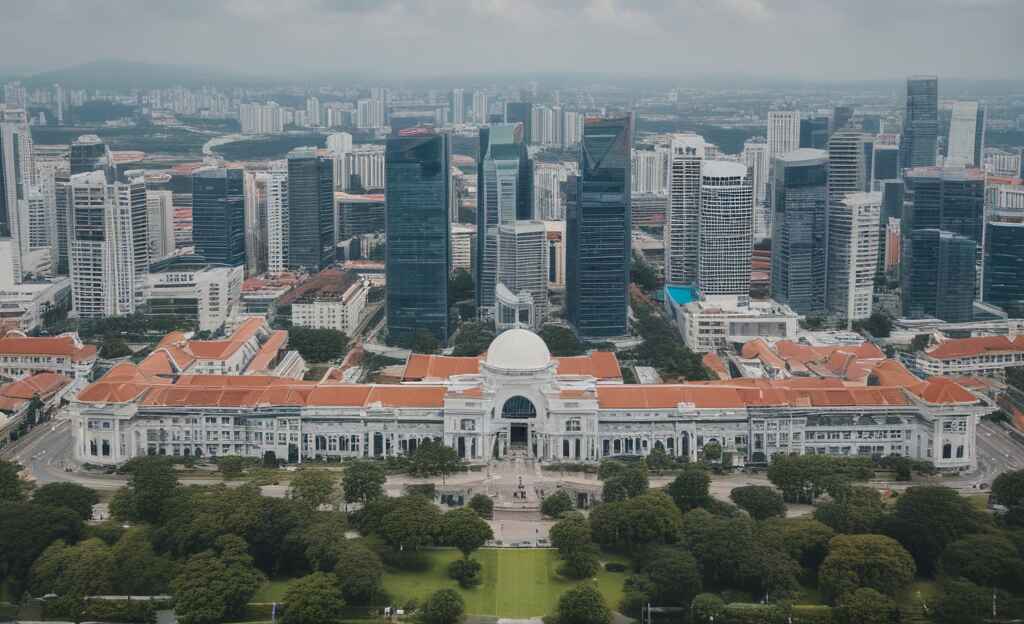

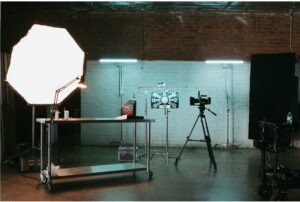
Cinematography in marketing agency calgary is like the spice in a gourmet dish. It’s not the main ingredient, but without it, the dish lacks flavor and appeal. Similarly, a marketing campaign without the touch of cinematic quality might convey the message but fails to make an emotional connection with the audience.

Visual Storytelling

Imagine watching a movie with no coherent storyline, just random scenes stitched together. Confusing, right? That’s what happens when a marketing video lacks a clear narrative. Cinematography helps in building this narrative visually, guiding the audience through a journey, whether it’s the story of a struggling artist finding their muse or a family enjoying a cozy home-cooked meal. This visual storytelling not only makes the content more relatable but also more memorable.

Lighting and Mood

The use of light can dramatically alter the mood of a scene. Bright, natural light can evoke feelings of happiness and positivity, while darker tones can create an atmosphere of mystery or sophistication. In marketing, lighting is used to evoke the right emotional response from the audience, aligning the mood of the video with the brand’s message.

Composition and Framing

Just as a painter decides what to include in a painting, cinematography involves choosing what to show in the frame and what to leave out. This decision-making process influences how the audience perceives the product or brand. An expertly framed shot can focus the viewer’s attention on the most important elements, creating a focal point that speaks volumes without a single word.

Color Grading

Colors influence our emotions and decisions more than we realize. Through color grading, marketers can enhance the visual appeal of their content and evoke specific feelings. A warm, vibrant color palette might be used to create a sense of comfort and energy, while a cooler, muted palette could convey professionalism and trustworthiness.

In a world where consumers are bombarded with countless ads daily, the need for creativity and innovation in marketing has never been more critical. This is where cinematography and marketing agencies come into play, merging their expertise to create ads that are not just seen but felt and remembered. By harnessing the power of visual storytelling, lighting, framing, and color, these agencies can create compelling narratives that not only showcase the product but also forge an emotional connection with the audience.

Capturing Architectural Beauty: Cinematic Perspectives on Fluted Panels in Modern Singapore

architectural beauty of Singapore

Unveiling the Elegance of Fluted Panels

Singapore’s contemporary architecture stands as a testament to innovation and aesthetics, with fluted panels playing a pivotal role in defining its modern skyline. These panels, characterized by their vertical grooves or ridges, not only serve functional purposes but also contribute significantly to the visual appeal of architectural designs.

Showcasing Texture and Light Play

The allure of fluted panels (see also fluted panel Singapore) lies in their ability to interact with light and shadow, creating dynamic visual effects that captivate the eye. When captured through the lens of a skilled cinematographer, these panels come to life, revealing intricate textures and subtle variations in color and tone. Whether illuminated by natural daylight or artificial lighting, fluted panels offer a myriad of opportunities for cinematic exploration.

Integrating Panels into Design Composition

Incorporating fluted panels into interior and exterior design requires a keen understanding of their aesthetic and structural characteristics. Filmmakers seeking to highlight architectural features can employ various techniques to showcase the seamless integration of these panels within a space. From establishing shots that frame the entire building façade to close-up shots that accentuate the panel’s details, each perspective offers a unique glimpse into the architectural beauty of Singapore’s modern landscape.

Insights for Filmmakers

For filmmakers aspiring to capture the essence of Singapore’s architectural beauty, understanding the significance of fluted panels is paramount. By leveraging cinematic techniques to emphasize texture, light play, and design integration, filmmakers can create visually compelling narratives that celebrate the elegance and functionality of these architectural elements. Whether documenting the sleek lines of a skyscraper or the intricate patterns of a heritage building, fluted panels serve as versatile subjects that elevate the cinematic experience.

Conclusion

In the realm of architectural cinematography, fluted panels emerge as both subjects of fascination and tools for creative expression. By harnessing the power of cinematic storytelling, filmmakers can unveil the inherent beauty of these panels, offering viewers a captivating glimpse into the modern architectural landscape of Singapore.

IPTV Genius Channels for Cinematic Enthusiasts

watching films

Dive into the art of cinematography with IPTV Genius channels dedicated to film appreciation, behind-the-scenes insights, and movie reviews. Explore a diverse selection of genres and discover hidden cinematic gems from around the globe.

Immerse Yourself in the World of Film

Are you a cinephile seeking a deeper dive into the world of movies? Look no further than IPTV Genius channels. With an array of offerings tailored to cinematic enthusiasts, these channels provide a gateway to explore the vast landscape of film like never before.

Unlocking Cinematic Treasures

With IPTV Genius channels, you can unlock a treasure trove of cinematic delights. From classic masterpieces to contemporary indie gems, there’s something for every taste and preference. Whether you’re passionate about drama, comedy, action, or romance, these channels offer a rich tapestry of content to explore.

Behind-the-Scenes Insights

Ever wondered what goes on behind the camera to bring your favorite films to life? IPTV Genius channels provide fascinating behind-the-scenes insights that offer a glimpse into the creative process of filmmaking. From directorial decisions to the intricacies of cinematography, you’ll gain a newfound appreciation for the artistry that goes into crafting memorable cinematic experiences.

Film Appreciation Made Easy

For those looking to deepen their understanding and appreciation of film, IPTV Genius channels offer a wealth of resources. Dive into discussions on cinematic techniques, explore the evolution of storytelling in film, and gain insights from industry experts. Whether you’re a seasoned film buff or a casual viewer, there’s always something new to learn and discover.

Discovering Hidden Gems

One of the joys of exploring IPTV Genius channels is the opportunity to uncover hidden cinematic gems from around the globe. From underrated indie flicks to overlooked foreign films, these channels shine a spotlight on lesser-known titles that deserve attention. Expand your cinematic horizons and embark on a journey of discovery with IPTV Genius channels.

READ ALSO: Cinematic Escapes: Exploring Politics, Security, and Thrills on the Big Screen

Conclusion: Dive Into a World of Cinematic Delights with IPTV Genius

In conclusion, IPTV Genius channels offer a gateway to immerse yourself in the world of film like never before. With a diverse range of offerings, including behind-the-scenes insights, film appreciation discussions, and hidden cinematic gems, there’s something for every cinephile to enjoy. So why wait? Dive in today and embark on a journey of cinematic exploration with IPTV Genius.

Discover the Secrets of Great Cinematography

Cinematography stands as the cornerstone of visual storytelling in cinema, serving as the artful manipulation of light, framing, and movement to capture the essence of narrative on both traditional film and modern digital platforms. It serves as the conduit through which directors translate their creative vision onto the screen, dictating each scene’s mood, atmosphere, and emotional resonance. 

Just as a skilled artisan meticulously crafts a custom glass shower door to complement a bathroom’s aesthetics perfectly, cinematographers carefully craft each frame to enhance the visual narrative. Cinematographers, in a manner that is parallel to the accuracy and attention to detail precisely balance aspects in order to generate the intended impression. This ensures that each shot adds to the overall cinematic experience.

Importance of Cinematography in Film

Cinematography is more than just capturing images; it’s about conveying meaning, mood, and atmosphere. It is a visual language that communicates the director’s vision and engages the audience emotionally. From setting the tone of a scene to guiding the viewer’s focus, cinematography is vital in immersing audiences in the movie world.

Enhancing Dramatic Tension

In genres like drama, cinematography heightens emotional impact and creates a sense of intimacy. Lighting, camera angles, and framing are carefully orchestrated to convey the characters’ emotions and relationships. Soft lighting and close-up shots may capture subtle expressions and nuances, drawing viewers into the characters’ inner worlds.

Creating a Sense of Urgency in Action Films

In contrast, action films rely on dynamic cinematography to keep audiences on the edge of their seats. Wide shots and handheld cameras convey the chaos and excitement of high-octane sequences.

Rapid editing and frenetic camera movements enhance the pace of the action, immersing viewers in the adrenaline-fueled thrills of the story.

Evoking Fear and Unease in Horror

Horror films leverage cinematography to instill fear and suspense in viewers. Lighting, shadows, and camera angles are manipulated to create a sense of dread and anticipation. Low-key lighting and high-contrast imagery cast eerie shadows, while unconventional camera angles and movements disorient and unsettle audiences, heightening tension among viewers.

Cinematography is a powerful storytelling tool that transcends genre boundaries. Whether it’s enhancing tension in a heartfelt drama, creating urgency in an action-packed thriller, or evoking fear in a spine-chilling horror, cinematography is essential in shaping the visual language of cinema.

Cinematography and the Craftsmanship of Quality Locksmithing

In creative expression and technical proficiency, cinematography and Quality Locksmith stand as two distinct fields. Yet, they share an underlying commitment to craftsmanship, attention to detail, and the pursuit of excellence.

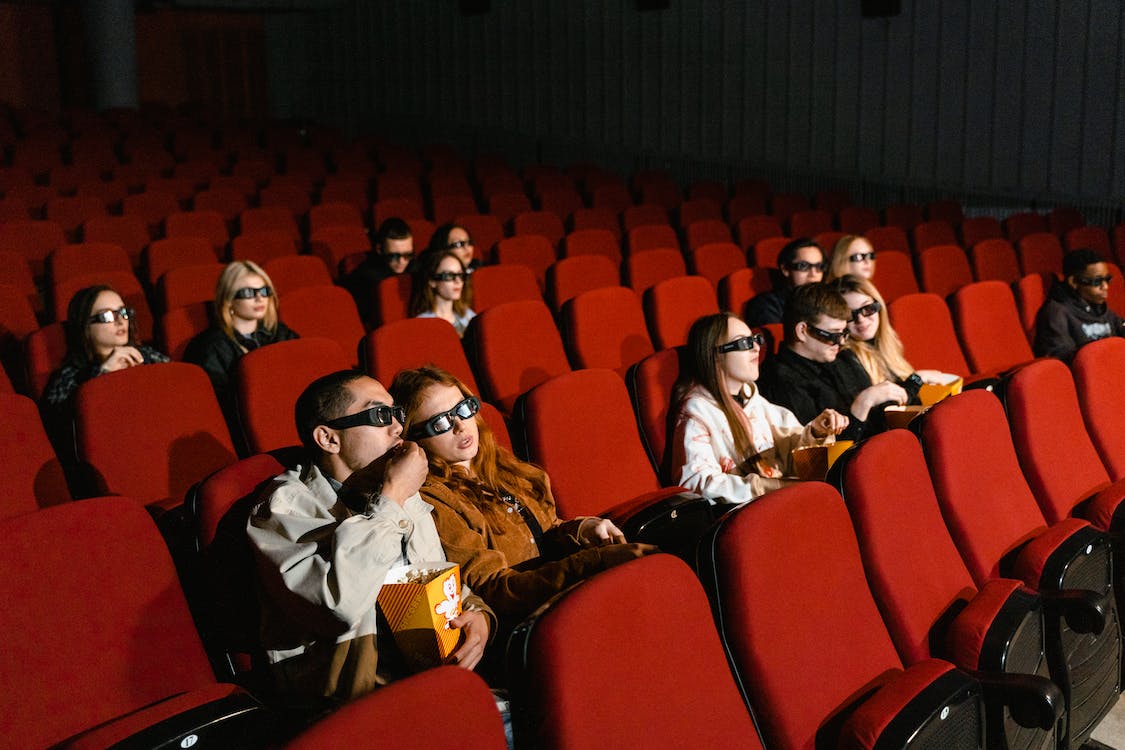

Cinematography

Cinematography, at its core, is the art of visual storytelling. It goes beyond mere recording to involve a deliberate manipulation of lighting, composition, and camera movement to evoke emotions and convey narratives. Cinematographers often referred to as directors of photography, wield their cameras as painters use their brushes, crafting every shot to support the story’s mood, theme, and pace. This requires not only a deep understanding of the technical aspects of the camera and lighting equipment but also a creative vision to bring a script to life visually. The choice of angles, the play of shadows and light, and the movement within the frame all serve to immerse the audience fully in the story being told on screen.

Quality Locksmithing

On the surface, locksmithing might not seem related to the visual arts, but at its heart, it’s another form of craftsmanship that demands precision, expertise, and creativity. A quality locksmith doesn’t just make keys or install locks; they provide solutions that balance security needs with aesthetic considerations. Much like a cinematographer must understand both the technical and artistic sides of their craft, a locksmith must know the mechanics of various locking systems and how they fit into the broader context of a client’s security requirements. Crafting a lock or designing a security system is akin to solving a puzzle, requiring both innovation and adherence to established standards of safety and reliability.

Bridging Two Worlds

The connection between cinematography and locksmithing lies in the dedication to craft. Both cinematographers and locksmiths must stay abreast of technological advancements in their fields, whether it’s the latest in digital camera technology or the newest developments in smart lock systems. Moreover, they both engage deeply with their work, understanding that the success of a film or the security of a home depends on their attention to detail and their commitment to quality.

Furthermore, both professions contribute to shaping our experience of the world. Cinematographers influence how we see and interpret stories, impacting our emotions and perceptions. Locksmiths, though more subtly, affect our sense of safety and comfort in our homes and workplaces. In doing so, they both leave a lasting imprint on our daily lives, albeit through very different mediums.

Spicing Up Narratives: Cinematic Storytelling in Mehran Masala’s Recipe Videos

Spices used for recipes like masala

Mehran Masala, the online culinary sensation, has not only mastered the art of blending spices but has also elevated the storytelling game in the world of recipe videos. Beyond the aromatic flavors and vibrant colors, Mehran Masala’s success lies in its ability to weave engaging narratives around the cultural and culinary journey of each dish, creating a visual feast that transcends the kitchen. Let’s delve into how buying Mehran Masala online expertly spices up its narratives through cinematic storytelling.

Visual Appetizers: The Opening Sequences

Mehran Masala begins its culinary tales with captivating opening sequences that serve as visual appetizers. These sequences often showcase the raw ingredients, the sizzling sounds of a hot pan, or glimpses of the vibrant spice blends that will play a starring role in the upcoming culinary journey. By establishing a visual connection with the ingredients, Mehran Masala sets the stage for a multisensory experience.

Narrative Pacing: A Culinary Journey Unfolds

Unlike traditional recipe videos that might jump straight into the cooking process, Mehran Masala embraces a narrative pacing akin to a well-crafted film. Each video unfolds like a story, introducing elements of suspense, anticipation, and revelation. The gradual progression allows viewers to immerse themselves in the cultural and culinary background of the dish before diving into the cooking process.

Cultural Backdrops: Setting the Scene

Mehran Masala understands that every dish has a cultural backstory, and the brand skillfully incorporates this aspect into its cinematic storytelling. Whether it’s the bustling streets of an Indian market, the serene landscapes of the Mediterranean, or the vibrant colors of a Mexican fiesta, Mehran Masala uses visual storytelling to transport viewers to the heart of the culinary culture behind each recipe. The cultural backdrops serve as integral components of the narrative, enriching the viewer’s connection to the dish.


ALSO READ: Cinematic Storytelling on Snapchat: Tips and Tricks for Creating Stunning Videos


Characterization of Ingredients: Heroes of the Culinary Tale

In Mehran Masala’s narrative approach, ingredients aren’t mere components; they are characters in the culinary tale. Through cinematic techniques like close-ups, slow-motion shots, and creative framing, each ingredient becomes a hero, contributing its unique flavor to the unfolding story. This personalized approach not only enhances the visual appeal but also deepens the viewer’s appreciation for the richness of the dish.

Emotionally Charged Moments: Connecting with the Audience

Mehran Masala recognizes the emotional power of food, and its cinematic storytelling leverages this aspect to create poignant moments. Whether it’s the joy of a shared meal, the nostalgia of a family recipe, or the satisfaction of mastering a cooking technique, Mehran Masala captures these emotions through expressive visuals. Viewers are invited not only to cook but also to connect with the stories behind the recipes.

Visual Climax: Culinary Revelations and Presentation

As the narrative unfolds, Mehran Masala builds to a visual climax—the culmination of the culinary journey. This is the moment of revelation, where the dish is presented in all its glory. Cinematic techniques such as dynamic camera movements, strategic lighting, and close-ups create a visual crescendo that celebrates the artistry of the culinary creation.

Conclusion

Mehran Masala’s recipe videos transcend the conventional cooking tutorial by embracing the principles of cinematic storytelling. By spicing up narratives with visual appetizers, cultural backdrops, and emotionally charged moments, Mehran Masala engages viewers on a deeper level. Each video becomes a culinary journey, inviting audiences not just to cook but to savor the rich cultural stories behind the dishes. In the world of Mehran Masala, every recipe is a cinematic masterpiece, where the kitchen becomes a stage for the vibrant narratives of culinary artistry.

Cinematic Escapes: Exploring Politics, Security, and Thrills on the Big Screen

big screen

Cinema, with its captivating visuals and gripping narratives, has long been a mirror reflecting the complexities of our world. In this realm of storytelling, filmmakers deftly weave tales that delve into the intricate relationship between politics, security, and the exhilarating suspense that keeps audiences on the edge of their seats. From clandestine operations to political machinations, the silver screen has become a canvas for exploring the multifaceted dynamics of our global landscape.

Politics Unveiled: A Cinematic Tapestry

Political intrigue has been a perennial muse for filmmakers seeking to unravel the nuances of power, diplomacy, and the human condition. Cinematic gems like “All the President’s Men” and “The Manchurian Candidate” offer audiences a front-row seat to the machinations that occur within the hallowed halls of political power. These films not only entertain but also serve as a reflection of the times, prompting viewers to ponder the parallelism between fiction and reality.

READ ALSO: From Set to Restoration: The Art of Cinematic Carpets and Carpet Repair

Security Challenges: A Cinematic Odyssey

The silver screen, a canvas for storytelling, has also become a battleground for exploring the intricacies of security challenges. From espionage thrillers like “Tinker Tailor Soldier Spy” to action-packed blockbusters such as “Die Hard,” filmmakers craft narratives that delve into the heart-pounding world of security breaches and the tireless efforts of individuals and agencies striving to maintain order. These cinematic forays into the realm of security services not only entertain but also raise pertinent questions about the delicate balance between freedom and surveillance.

The Role of Security Services: Beyond the Shadows

In the dimly lit alleys and behind closed doors, security services take center stage in shaping the narrative landscape of many films. These agencies, whether portrayed as heroes or villains, become conduits through which filmmakers explore the moral ambiguities of their actions. “Zero Dark Thirty” and “The Day of the Jackal” exemplify how the role of security services can be both enigmatic and controversial, prompting audiences to grapple with the ethical dilemmas faced by those tasked with ensuring our collective safety.

Suspense Reloaded: Cinematic Thrills and Chills

Thrills are the lifeblood of cinema, and the nexus between politics, security, and suspense provides a fertile ground for creating heart-stopping moments. The pulse-pounding sequences in films like “Argo” and “Munich” showcase how filmmakers skillfully use the backdrop of political intrigue and security challenges to ratchet up the tension. These cinematic escapades not only entertain but also serve as a visceral reminder of the fragile nature of our world.

Conclusion: A Cinematic Tapestry of Global Realities

As we journey through the realms of politics, security, and thrills on the big screen, it becomes evident that filmmakers play a crucial role in shaping our perceptions of the world. Through their lens, we navigate the murky waters of political maneuvering, grapple with the complexities of security challenges, and experience the adrenaline rush of cinematic escapades. The silver screen, with its ability to entertain and provoke thought, stands as a testament to the enduring relationship between storytelling and the ever-evolving tapestry of our global realities.

Photography Tips for Restaurants

Although hiring a food photographer might be expensive, it shouldn’t stop you from taking stunning pictures with your top quality kitchenwares included. For helpful food photography advice and techniques, continue reading. With the help of food photography backgrounds, lighting, and other resources, you can quickly produce high-quality images.

Tip #1: Use natural lighting that is indirect (please, no flash).
First, let’s talk about fantastic lighting for food photography: plenty and lots of free natural light! Since natural light levels fluctuate throughout the day, you’ll need to move swiftly to film your menu. However, you may make use of the most sought-after resource for restaurant food photography with a little forethought and preparation.

Tip #2: Include a Light Spray of Water or Oil
Although we are aware that your products are fresh, the camera doesn’t always pick up on it. Give your veggies or salads a thin mist of water or a dash of oil to give them a vibrant appearance. To showcase their freshness, the oil or water will highlight them in the appropriate spots.

Tip #3: Use Basic Photography Methods
When discussing restaurant food photography and approaches, some of the fundamentals of photography come in helpful. Two that spring to mind are the rule of thirds and depth of field.

Tip#4: Ensure that the plates are spotless
It should go without saying that with food photography, a clean dish is important. Any tiny blemish or stray component might take attention away from the image’s main subject. This is the reason why some of the most well-known food photographers handle and arrange food on plates using tweezers.

Tip #5: Maintain a tidy background
The ideal backdrops to choose are simple ones to avoid distractions. Wood, light, and dark backgrounds are the most often used backdrops for food photography. A neutral backdrop doesn’t have to be boring, but it also shouldn’t draw attention away from the focal point of the image.

For instance, the picture of this autumn salad from Clay Restaurant features a white background that highlights the food, but the gray marbling on the dish adds some visual appeal.

𐌢