


What Is Cinematography? Guide To The Cameraman
If you are interested in film, you have probably come across the term cinematography before.
What is cinematography?
A central aspect of film art is the so-called “storytelling “. This task using knowledge of photography and videography is called cinematography. It’s not just about documenting events, but about the creative and artistic process.
You call the specialist in cinematography a cameraman or camerawoman. In order to work successfully as such, you need not only great talent for your own storytelling style but also knowledge of professional photography. You also have to be familiar with image processing, organization, management, etc. in order to achieve the desired result. Filmmakers like to invest in high-quality cinematography, especially if the film is to be released on a cinema screen. Fashion clothing can play a part in the success of a film.
What does a cameraman do?
The task of the cameraman is primarily the image design in the production of a film or TV show. He is responsible for all visual elements such as lighting, composition, coloring, camera work, etc.
Become a cameraman: What’s in store for you?
Camera setting and perspective
The cameraman decides the position of the camera in a particular shot. Proximity and angle from the camera to the subject, but also the camera model and lenses are crucial for the impact of the shot. Equally important factors are setting the resolution, color sampling and aperture when working with light and perspective. Not only the image quality but also the visual support of the plot are crucial.
Composition
The cameraman is responsible for the visual composition of a scene. He decides how the elements are arranged in the shot. The outer frame of the scene can also look different – the less visible around the subject, the more mysterious the situation seems. The frame can also show that the subject knows less about the plot than the viewer.
Camera movement
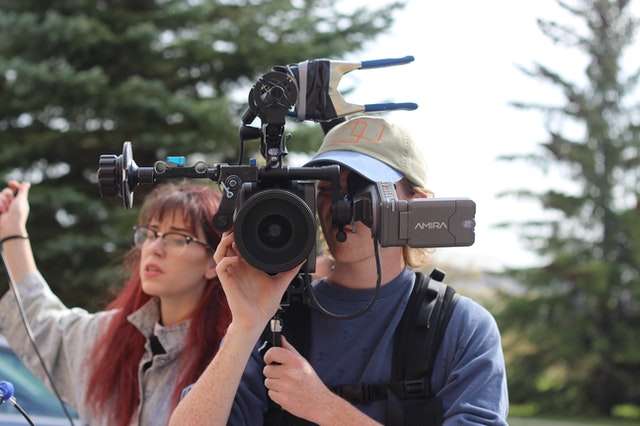
The handling of the camera also plays an important role in the film’s impact. For example, in high energy scenes, the cinematographer would follow the movement of the action. In quiet moments, on the other hand, he would rather hold the camera still and thus increase the intensity of the situation.
Lighting
Lighting is an important factor in setting the mood of a film, even if many people are not aware of it. High-key lighting is often used to depict happy and relaxed situations. You’re more likely to find low-key lighting in mysterious and oppressive scenes. As a cinematographer, you, therefore, need to be an expert in both artificial and natural light. You also need to be familiar with contrast, depth and shape.
THE ART OF CINEMATOGRAPHY
Cinematography is one of the foremost important components that creates a fine-looking film. It’s often said that the key idea behind what makes a decent cinematographer isn’t about having the simplest film gear but more about how you’re ready to use it. nowadays almost anyone can take an honest picture or video on their mobile device, but only true artists can understand a way to combine good equipment, lighting, and composition to be able to tell a decent story.
WHAT IS CINEMATOGRAPHY?
Cinematography may be softened into two main components: technical and functional. The technical side of cinematography is using either electronics to record light onto image sensors, or light is recorded chemically onto film to create videos. Then the functional aspect is combining everything to try to to with the way the camera captures the photographs.
A common misconception of cinematography is that it’s simply the art of capturing beautiful imagery. This, however, isn’t the case as often a number of the most effective cinematography can include shots of something perfectly ordinary but does well to come up with a particular emotion within the context of the story that’s trying to be told. A cinematographer is actually a director of photography and can work closely with the director from start to end.
THE KEY COMPONENTS of excellent CINEMATOGRAPHY
In order to make these powerful visuals, there are certain key components to induce the right to become a decent cinematographer.
LIGHTING
One of the key things that good cinematographers should be able to do is capture the best light to make realism for the people and locations that are being shot. Even more importantly, lighting is employed to assist set the tone of a specific scene, so it’s necessary for the cinematographer to be ready to use light in a very certain thanks to creating a visible mood. On every of the foremost important jobs that a cinematographer will do is make cinematic decisions about lighting requirements, like what lights, lenses, and filters, should be used for various shots.
EQUIPMENT
Although having the most effective equipment out there doesn’t necessarily cause you to be a decent cinematographer, it’s important to tailor the equipment to suit your creative vision for the kind of shots you’re trying to induce. Another thing to stay in mind when deciding what style of equipment is best is that there’s no “one size fits all” since there’s such a spread of film equipment available within the market today. For starters, you’ll have to choose a video camera. These can vary quite significantly in price so if you’re on a good budget, the foremost important thing is to form sure your video camera of choice a minimum of allows you to shoot in high resolution. Other equipment to contemplate maybe a tripod for steady and professional shots, a camera light or three-point lighting kit to confirm you’ll always be able to create well-lit scenes, and for nice audio, you must always have a shotgun microphone and boom pole.
FOCUS
Focus relates to a cinematographer’s decision on what and when the camera should be specializing in different images during a scene. this is often an especially important element that’s wont to elicit an emotional response from the audience during a selected scene. This sort of cinematic skill comes from plenty of labor, research, and knowledge. a well-known cinematography tip is to always try to remain inspired. A number of these names include Ford who shot Citizen Kane and Robert Richardson who is thought for working with Tarantino to supply a number of the foremost iconic films.
All of those elements require an honest cinematographer to form well thought out decisions and work closely with the film crew, director, and editor, to form sure that their creative vision involves life throughout the assembly process.
Ways On Studying Film And Theater That Will Change Your Perspective

Sometimes, change doesn’t happen all without delay, but rather piecemeal. The way you listen, write or learn, the way you are doing things, the way you view the planet. The way you realize it. In my experience, it’s education that’s the foremost powerful tool when it involves changing your perspective on life. every day might come once you realize you now do not see things the identical way you probably did before.
It has been three years ago since I started my university journey. I studied the speculation, history, and politics of cinema and theater. When you study the speculation of cinema and theater, you train your mind to check people. “Why did this character do this?” “Why did they react so?” The history behind artistic creations is simply as important because of the creation itself. How are these characters tormented by these events? you’ll be able to begin to grasp the importance of certain cultural and historical events, and the way they changed our world.
Studying films has its pros and cons. The downside is that you just notice little mistakes, which you can’t un-see. you start to note errors that might ruin the show for you: continuity problems, the standard of a script, good directing. The list goes on. However, it’ll cause you to appreciate a decent film or theater production even more, as you’ll remember of what quantity exertions is involved, and the way the absence of such mistakes highlights the standard of a well-made production.
It opens your eyes to certain troubling truths, like the strong presence of sexism, racism, and homophobia, among other things, in mainstream cinema. You become responsive to how cultural productions are wont to indirectly support such mindsets. More importantly, how people will be manipulated into believing what’s ‘real’ or what’s and isn’t ‘socially acceptable.
Reasons You Need to Watch Movies
 Films have always been a force for social change because they can teach people about things that happen outside their world, make them feel empathy, and raise politically charged questions.
This had happened more recently when people called for action on racial hegemony and sexual harassment in Hollywood. This led to new debates about race and gender equality.
This made people “much more aware of a non-binary understanding of gender, of different sexualities, and the value of diverse communities,” says the author.
The more diverse films Hollywood makes, the more likely people will see them.
Films help us think about difficult life lessons in a different way.
Of course, movies are a great way to relieve stress, and it’s a big thing for people who watch a lot of big movies. But the therapeutic benefits of movies can go even further.
We like to watch movies again.
Movies or TV shows that you’ve seen many times are comforting. Experts say this is why. Rearview of a woman watching Dirty Dancing on TV to show why we keep watching the same movies and TV shows. Some people also find metaphors or symbols in films they tend that help them deal with significant issues in their lives.
Films are still a social event.
Movie tickets are becoming more and more popular, even though streaming services are becoming more popular. This shows how important movies are to our social lives, even though we can now watch them on mobile anywhere.
But now that social media and online forums make it easier than ever to talk about the film, that doesn’t mean that film-watching isn’t still a social thing to do.
There are many ways to connect with friends and communities over films, even if we don’t watch movies at home. These include social media and online forums. Also, some movies have reached more people than they would have otherwise.
Because of streaming, a movie like Roma is being seen by people from all over the world. And that’s been a big part of its popularity.
In movies, we can better understand art.
Films are often thought of as a way to have fun, but it’s important to remember that cinema is also a form of art. People who work in the media tell us which movies to watch and avoid when looking for a new partner. This picture shows two “admit one” tickets sitting on movie seats with a love heart on top of each one to deliver the best and worst date movies.
A movie is a “combinatory art form,” which means it combines other types of art, so when we watch it, we can see things like costume and sound design, architecture, and theater.
Watching a movie can be a way to appreciate art and become more aware of other cultures, but it’s easier for many to get to a movie theater than to go to a gallery.
Cinematography Basics

Cinematography is usually defined as “the art and technology of creating motion pictures.” It involves multiple cinematic elements, like scene composition, also referred to as mise-en-scène; choice of the camera together with lenses, filters, and stock if shooting on actual film; camera movement and camera angles; the lighting setup for every shot; and potentially the inclusion of tricks.
There are many important things that you’ll know and equip yourself with so as to induce started within the field. But to actually become a cinematographer, you’ll need over just the gear and technical know-how. Other than skillfully operating a camera and fixing the lighting for each scene, it involves controlling what the viewer sees and the way the image is presented to them — by choosing the proper shooting techniques that best tell the story.
Cinematography is that the art of visual storytelling. With some basic knowledge of composition and scene construction, you’ll plan scenes using this visual language. learn the way different shots work together to make a clear, cohesive narrative and the way to compose each shot in a way that’s visually pleasing for the viewer. Understanding these simple rules will help make your films more thrilling and fascinating.
But another definition is that without cinematography, there’s no flick. A Screenwriter might create the story and a Director may guide how the Actors perform, but it’s the Cinematographer who permanently captures that story and also the actors in it. However, the cinematography is such a lot over just recording what happens on location or a sound stage. it’s a language that’s not spoken but seen. At its core, the cinematography is that the visuals that support the story being told.
Not only do those visuals show the audience what’s happening from scene to scene, but they even have the power to influence their response to what they’re seeing.
The script is that the foundation because it defines the emotional arc of the story and each character’s emotion. Everything is driven by character emotion.
How Do You Write A Film Review?
Anyone who is interested in a particular film will sooner or later come across a film review of the film. In it, film enthusiasts or critics deal with the film and spread their opinion on the film.
But how do you actually write such a review? Which points should you definitely pay attention to and what should you go into if you want people to see review?
How to Write a Movie Review
All film reviews are generally different. There are no templates or regulations to adhere to. Every film review is different, there is no right or wrong.
This also applies to the length of the text. Some reviews are half a page, some are three pages. Nevertheless, there are always typical elements that you can find in many film reviews.
Write a film review: the title
A good film review always has a title. The easiest option is to simply use the film title for the title of the review. However, extensions, additions or subtitles are more exciting and more inviting to read.
Writing a film review: the introduction
As an introduction, it is a good idea to start with general information about the film. These can be financial aspects, awards or other reviews or film reviews, for example.
Writing a film review: the main part

At the beginning of the main part, one should begin with a brief summary of the plot. You should make sure that the story is understandable for readers who have not seen the film. At this point, it is not advisable to go into specific scenes or moments in the film, but rather to concentrate on the actual plot. Is the story interesting, believable or rather extraordinary?
The next step is to deal with the actors and their characters and to write something about their performance. If you want, you can give reasons, for example, as to whether and why you could identify with certain characters or maybe not. Are the actors believable and personable or rather implausible and boring?
Writing a film review: the final part
For the final part, it makes sense to write a conclusion and either recommend the film or advice against it. It is also advisable to briefly address the target group: Is it a film for tennis rodents, women, men or the whole family?
Here it is particularly important that the conclusion is logical and based on the previous statements. A good text always tells a story. And in a story, the ending is always of particular importance. You should also bear this in mind when reviewing a film.
Cinema-Like Video Games
Throughout the years, video game developers of different titles such as Forza Horizon have included cinematography techniques in creating film-like qualities the line between filmmaking and video games become a bit blurry as some shows and movies started to use video game technology.
Video Games and Cinematography
In any filmmaking process, cinematography always plays an integral part on it. Whenever you see this term, it’s always referring to the usage of various camera techniques in making the film look as close to reality as possible.
Despite the fact that video games are not filmed, there are game developers who are still using principles and techniques of cinematography in making the game more realistic and thus, improving the overall gaming experience. Some of the techniques and principles that video games used include but not limited to the following:
- Bokeh
- Aberration
- Chromatic and;
- Lens Curvature
In the latter, it plays an integral part in making sure that the images will not look distorted while the chromatic aberration is used to ensure that all colors used will blend smoothly. As for Bokeh, its job is to create a clear subject in view with blurry background to create an even more stunning cinematic effect.
Cutscenes
These appear in several video games in between levels or after reaching certain points if triggered during gameplay. As the years pass, the cutscenes have taken a more film-like quality thanks to continuous development and innovation in cinematography techniques.
In addition to that, cutscenes can be pretty useful to keep players feeling immersed into the world of the game they are in. It lets them to learn more about their characters and help improve the game’s plot as well. To a certain point, the cut scenes can provide motivation and direction to why the characters need to perform a given task.
Narrative
The narrative storytelling becomes a lot common among video games. Since games are using this kind of gameplay, they need to maintain the full attention of the players and thus, it is essential to have high-quality animation and graphics. In return, it helps in making the setting, characters and story as a whole more engaging.
How Cinematography Tells Stories Visually
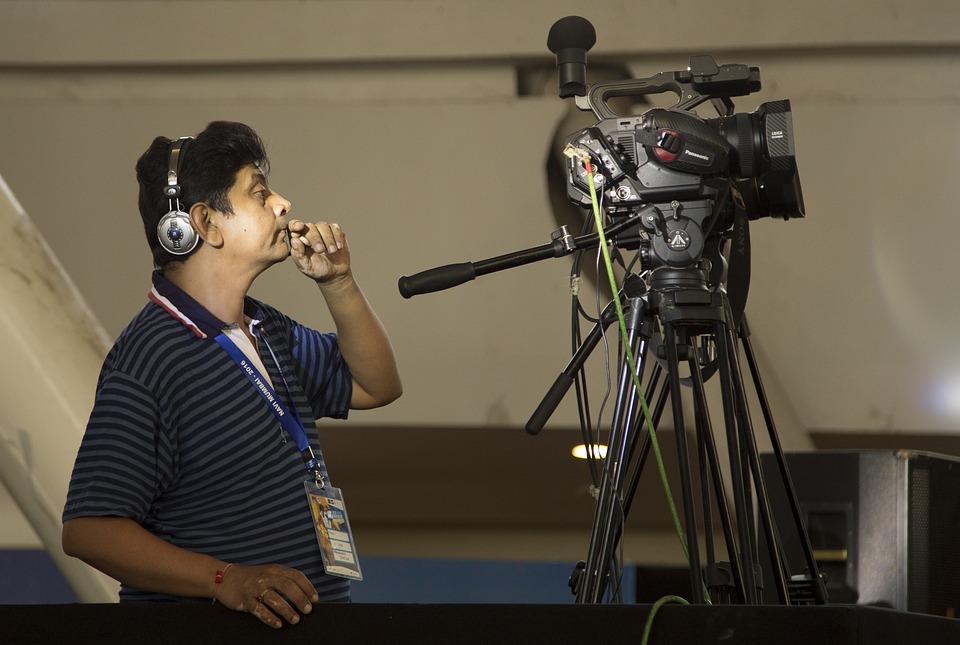
Everyone has a minimum of one jest. the majority, at some point, get the itching to share it in a technique or another. That’s great if, like us, you like stories. the matter is that by default, the general public isn’t excellent at telling them. Storytelling could be a learned art. In centuries past, if you learned to inform your tale through song, you were a bard or musician. If you talked through books,
you were a scribe or writer. Today, in a world where images are key, you may tell the story in film or video. Getting the most effective images to drive the story along is what cinematography is all about.
So just what’s cinematography? Encyclopedia Britannica expands on it, stating “…the art and technology of picture taking. It involves such techniques because the general
composition of a scene; the lighting of the set or location; the selection of cameras, lenses, filters, and film stock; the point of view and movements; and therefore the integration of any camera work.”
It’s a really encompassing definition, to mention the smallest amount. While it would define the meaning of cinematography, as would a dictionary, this doesn’t portray the scope. On our only too brief journey, we’ll explore a number of the fundamentals and ideas of creating a video. Examining the fine details of what’s involved in creating a movie, will help us comparable to an honest definition of cinematography. Let’s discuss what it might consider you to be a cinematographer.
Ready for a shock? We’re visiting to tell you everything you would like to grasp about cinematography during this one paragraph. a movie or video is truly made of a series of still images—called frames—usually captured and played back so fast that we perceive it jointly as a continuous moving image. The frame is defined by the sphere of view. Later, you present your piece back to the audience within a distinct frame, the screen. Cinematography is that the science and art of capturing those moving images and playing them back within the frame.
It sounds pathetically basic, but this can be the foremost important rule a cinematographer must understand. you’ll be subtle or cryptic to your heart’s content. If it didn’t occur within that frame, then as far because the viewer is anxious, it never happened. Now in fact there’s more to cinematography than that, but everything else deals with the way to optimize the frame and its contents.
THE ART OF CINEMATOGRAPHY

Cinematography is one of the foremost important components that create a stunning film. The art of cinematography is having the ability to inform a story and make people feel emotions, through images. it’s often said that the key idea behind what makes an honest cinematographer isn’t about having the most effective film gear but more about how you’re able to use it. nowadays almost anyone can take a decent picture or video on their mobile device, but only true artists can understand the way to combine good equipment, lighting, and composition to be ready to tell a decent story.
WHAT IS CINEMATOGRAPHY?
Cinematography is weakened into two main components: technical and functional. This includes things like movement, placement, lighting, and focus.
This, however, isn’t the case as often a number of the most effective cinematography can include shots of something perfectly ordinary but does well to get a specific emotion. A cinematographer is basically a director of photography and can work closely with the director from start to complete.
THE KEY COMPONENTS of fine CINEMATOGRAPHY
In order to form these powerful visuals, there are certain key components to urge the right to become a decent cinematographer.
LIGHTING
Lighting is probably going considered to be the foremost significant element that differentiates brilliant, professional cinematography, from mediocre filmmaking.
EQUIPMENT
Although having the simplest equipment out there doesn’t necessarily cause you to be an honest cinematographer, it’s important to tailor the equipment to suit your creative vision for the sort of shots you’re trying to induce. Another thing to stay in mind when deciding what style of equipment is best is that there’s no “one size fits all” since there’s such a range of film equipment available within the market today. There are, however, some essential pieces of kit that each cinematographer should have. For starters, you’ll choose a video camera. These can vary quite significantly in price so if you’re on a good budget, the foremost important thing is to create sure your video camera of choice a minimum of allows you to shoot in high resolution. Other equipment to contemplate may be a tripod for steady and professional shots, a camera light, or a three-point lighting kit to confirm you may always be able to create well-lit scenes, and for nice audio, you ought to always have a shotgun microphone and boom pole.
FOCUS
This is often an especially important element that’s accustomed to elicit an emotional response from the audience during a selected scene. This kind of cinematic skill comes from plenty of toil, research, and knowledge. a widely known cinematography tip is to always attempt to remain inspired. a decent thanks to doing that is to review and learn from the nice cinematographers in history. a number of these names include movie maker who shot Citizen Kane and Robert Richardson who is thought for working with Tarantino to supply a number of the foremost iconic films.
How Film and Cinematography Will Change Your Life

In some cases, change doesn’t occur all at once, but instead in stages. The way you hear, write or learn, the way you do things, the way you observe your surroundings. The way you comprehend it. I personally think that it is education that is the most important tool in regards to shifting your outlook on life regardless of one’s IQ in free iq test instant result. A day might come when you recognize you no longer see things the same thing you did before.
The individual who obtained her degree is not the same person who timidly stepped into the amphitheater two years ago. Studying film or cinematography has totally changed how I see the world – here’s how I think it might alter your outlook too:
1. You’ll enjoy the cultural role of creativity
Now, you may be thinking, “there are several things that are more valuable than art!” This may be correct, but art permits humans to express themselves. It is also an informative tool that, when used properly, and for a great goal, permits us to train ourselves about problems we were oblivious of, or that we even considered useless.
2. You’ll get a deeper perception of other people
When you analyze the theory of cinematography, you allow your mind to see people in a different way. “Why did this person do this?” “How come that is their reaction?” You don’t only examine the technical side of making films (i.e. how technical decisions explain the sentiments of the characters); you study the person themselves.
3. You’ll view films and performs in an entirely distinctive way
Studying films has its advantages and disadvantages. It enables you to see things the common movie-goer or cinema fan will not pay attention to: metaphor, similarities between the characters… The disadvantage is that you see small mistakes, which you could not un-see.
5. You’ll discover the dark side of the media world
When you read the theory of cinema/theater, your view on societal problems and culture is transformed forever. It exposes your eyes to particular troubling facts, like the powerful presence of sexism, bigotry and homophobia, to name a few.
What is the Role of a Cinematographer?

The main role of a Cinematographer is to speak the script visually with the audience in mind. It’s visual storytelling at its best. From an operational side, the Cinematographer is that the one who actually gets to shoot the film, TV series, or commercial. But there’s more to that than that. They’re also at the top of the lighting and camera departments which could be a big deal. Still, that doesn’t really tell us what we’d like to grasp. The simplest cinematographers work closely with the Director to assist the director to realize their creative vision, through composition, framing, lighting, and camera movement.
Pre-Production
In the world of filmmaking, cinematographers will be described in numerous ways. If they’re instructing some other person to work the camera and more focused on the general look of the shot, they seem to be a Director of Photography (DP).
It’s here the Cinematographer must make some crucial decisions about the planning and feel of a movie: Questions like whether to shoot on digital or film (which is rare these days)? What style of camera is that the most suitable option to capture the Director’s vision?
As the Cinematographer and Director meet to answer all of those questions before shooting a bond is created. Filmmaking could be a highly collaborative business so it is vital to induce along well along with your Director and air the identical page. If things determine well, you will see the link continue which is why we commonly see identical Cinematographer/Director partnerships in movies.
Production
For each scene, the Cinematographer decides on the most effective combination of cameras, filters, and lenses, in addition to where the cameras are placed, what the lighting should be, and when the scene are shot.
Post Production
Once everything is shot, the Cinematographer’s work is essentially done. You hand all of your footage to an Editor and allow them to work their magic. With the overwhelming majority of projects captured in digital RAW formats, manipulating exposure and color is less complicated than ever before which reduces the involvement of the Cinematography in post. While Editors and Colorists are masters of their trade, it’s still a decent idea to stay around to form sure the film retains the design envisioned by you and therefore the Director.
New Tricks In Cinematography That Will Change The Film Industry In The 2020’s
The film industry always has new tricks up their sleeves to capture the audience’s attention. The world is ever-changing, so are the likes and interests of the viewers when it comes to their taste in movies. If you are going to ask a bunch of moviegoers in the past to know what they like the most about watching movies, it would be totally different from how the new generation prefers to see the movies.
With this, we should expect that the techniques that cinematographers use to create movie scenes have already developed throughout the years. It is very likely that even in the last decade, filmmakers have adapted new cinematography tricks as they follow the latest trends. What mainly dictates what is in or out in movies today is the audience itself, and cinematographers would be glad to oblige to the viewers’ preference.
Of course, that is without compromising the cinematographer’s artistry or creative freedom in showing a new kind of movie experience to the fans.

Cinematographers May Opt To ‘Go Back To Basics’ For The Viewers’ Satisfaction
Remember how stoked the moviegoers were back in the 70’s and the 80’s when some of the biggest blockbuster movies in history like “Aliens” and “E.T.” hit the theaters? The movement of extraterrestrial beings is so realistic, and it appeared on screen that there are actual aliens and monsters acting with the human actors. That is all thanks to practical effects, where cinematographers would use very life-like props to deliver a jaw-dropping scene. The streak of using practical effects continued well into the 90’s, with “Jurassic Park” knocking everyone off their feet.
Entering the new millennium, filmmakers tried something new by using less practical effects and relying more on CGI special effects. Everything that happens on screen is a product of a graphics artist, and there will be no further need of constructing gigantic animatronics to act like monsters or giants. A CGI expert could easily create a virtual puppy running around a room, and people would actually thought that an actual pupper is there. Although, a CGI puppy will not be as cute and loveable as those from Pomsky – 12 Surprising Facts About Pomeranian Husky Mix. The movie junkies embraced this new fad, until in the previous years, cinematographers kind of felt like the CGI is not working that much to capture the audience’s interest. Yes, there were improvements in the use of CGI technology, but many fans thought that the modernized CGI is taking away the realism from the scenes. With this, practical effects have slowly made a comeback over the past few years .
The Differences Between the Videography and Cinematography:
If you’re aiming to hire a video production company for your business, it’s important to know which type of technician you’re hiring – a videographer or cinematographer?
Understanding the difference between videography vs. cinematography, and hiring the proper professional, are crucial elements of selling success. The brand image you wish to form of your company or the way you would like the marketing message to be conveyed to your customers can play a pivotal role in the success of your business. While the work of both cinematographers and videographers may involve essentially filming with a camera, there’s a marked difference between the way it’s done by a videographer and a cinematographer. Let’s understand more.
Cinematographer
Otherwise called the administrators of photography, they’re professionals hired by movie production houses to orchestrate and execute the director’s vision and take it to the subsequent level.
Using suitable technical instruments is vital to capturing the frames perfectly, and to remarkably impact the way the audience perceives, interprets, and connects with the story or presentation. Each and each decision was taken by the cinematographer has got to be in line with the story and should align correctly with what the director is trying to portray and convey. The cinematographer usually works or leads an enormous team consisting of a lensman, light assistants, etc., and is answerable for translating the director’s idea into images that will capture the audiences’ attention and interest. Cinematographers don’t seem to be usually involved in editing and post-production activities.
Videographers
Videographers, on the opposite hand, function essentially as a one-man army who is hired to hide and film events like weddings, interviews, conferences, and other activities. Working alone or with a tiny low team, they sometimes operate the camera, arrange sound, select the situation, capture the event end to finish, and finish it up with editing.
The New Breed – The DSLR-graphers
Features and innovations that provide DSLR cameras with movie-like video shooting capabilities have made many embrace this as a hobby or perhaps a significant profession.
A lot of videographers value more highly to shoot events with DSLR cameras because it provides movie-like quality and effects. With the boom within the demand for wedding photography and couples choosing a giant, lavish wedding, the requirement for wedding videographers has increased.
Unlike movie cameras, in DSLR video cameras, it’s impossible to hide the entire event. So, the DSLR-using videographers resort to capturing the highlights of the event and make a brief film spanning 15-20 minutes with added narration or background music. These new-age professionals seem to be creating a bridge between the standard cinematographers and videographers, creating a brand new space for themselves.
How Crucial a Cinematographer’s Role is?
Cinematography could be anything but ultimately, its goal is to capture different images. As a matter of fact, when trying to get real YouTube views, many editors and channel owners themselves are applying some sort of cinematography to make it look appealing and attractive when watched. Because at the end of the day, cinematography is to communicate different techniques that are used in capturing images that separate the amateurs from the pros.
Brief Definition of Cinematography
Technically speaking, cinematography is the science and art of recording light whether it is chemically onto the film stock or electronically via image sensor. It is understood as a way of encapsulating everything that has to do with the camera, the images it captures, its movement, the light it receives and many more.
The Responsibility of a Cinematographer
A cinematographer is otherwise referred to as director of photography or also DP or DoP. They are the leader that presides over the light crews and camera crews on a video or film production. In most cases, they’re involved throughout the whole production lifecycle and at the same time, liaise with the director to come up with images that are then seen by the audience.
What’s expected from a Cinematographer?

Truth is, there are many things that are expected from a cinematographer. They are normally in charge of the following:
- Dissecting screenplay
- Researching cinematic and film techniques that are related to the subject matter and eliciting the intended emotional response among audience
- Creating floor plans, lighting diagrams and shot list
- Managing light and camera crews
- Making decisions regarding cinematic elements similar to lights, filters, lenses and several lighting/camera requirements
- In charge of the aspect ratio, image contrast, digital effects as well as frame rates
- Making decisions towards camera movements and techniques for film lighting to stimulate specific emotional responses from the audience
Well, in a nutshell, those are the job that cinematographers shall do. If they did their job right, then they can hit their ultimate goal for the project which is to tell a story, visually. This is the reason why the responsibility that falls upon a cinematographer’s shoulder is pretty huge.
Cinematography Tells Stories Visually
Everybody else has at least one great story. Most of us, sooner or later, get the itching to talk about it in 1 manner or another. That is good if, like people, you adore tales. The challenge is that by default, the majority of individuals are not quite good at telling them. Storytelling is a learned art. In centuries ago, in the event that you learned to inform your narrative by song, you’re a bard or artist. In the event you spoke through novels, you’re a scribe or author. Now, in a world in which pictures are crucial, you may tell the narrative in video or film. Finding the best pictures to push the story and also is exactly what cinematography is about.
So precisely what’s cinematography? The Wikipedia definition of cinematography is”The utilization of camera and lighting options if recording photographic pictures for theatre”–Cinema being a cinema in which motion pictures are displayed. Encyclopedia Britannica expands on that, saying”…the technology and art of all motion-picture photography. It involves such processes as the overall makeup of a spectacle; the light of the place or place; the option of cameras, filters, lenses, and film inventory; both the camera angle and also moves; along with also the integration of some particular consequences.”
It is an incredibly neighboring definition, to say the very least. Nevertheless, this hardly scrapes the surface of the things creating a motion picture entails. When it may specify the significance of cinematography, as could a dictionary, but this doesn’t depict the extent. In our all-too-short trip, we’ll explore a few of the fundamentals and theories of building a video. Assessing the nice details of what is involved with developing a film, can help us come near a fantastic definition of cinematography. Let us discuss what it might require for you to be a cinematographer.
However, what will be cinematography?
Ready for a shock? We are likely to tell you all that you want to learn about cinematography in this paragraph. A picture or movie is really composed of a set of still pictures — known as frames — typically captured and played so quickly we perceive it as a single continuous moving picture. The framework is characterized by the area of view. The configurations on the camera and its lens ascertain this area of view. Afterward, you exhibit your piece back into the viewer within another framework, the display. Cinematography is the art and science of shooting those moving pictures and enjoying them back over the framework.
It seems pathetically simple, however, this is definitely the most crucial principle a cinematographer should comprehend. It may be more subtle or mysterious for a heart’s content. In case it did not occur inside that framework, then so much as the audience is concerned, it never occurred. Today of course there’s much more to cinematography than this, but what else deals with the way to maximize the framework and its contents. So, how can you do so? How can you introduce your story in the very best way possible?
Is this the Cinematography that Changed Cinema?
Researching film history is among the simplest methods to boost your craft.
All of us can record off our favorite films, or discuss our own inspirations whether that function as the artwork itself or the men and women who made it. Cinematography can mentally move us in a way that other mediums cannot. And still, the choices behind every shot remain subjective. Give a script to 5 distinct filmmakers and you are very most likely to see 5 distinct movies. Color, framing, light are all based on the way in which the narrative is translated, making it intriguing once you begin assessing the background of films.
Imagine if particular movies did not make the choices they did? Imagine should Oklahoma! Or even Lawrence of Arabia did not picture on 70mm. Imagine if Kubrick did not create 2001: a Space Odyssey and also even the first Star Wars had not pushed the bounds of technologies? Can we be talking about just how powerful those movies are now?
What has been valuable about living in today’s digital era is that there are numerous perspectives available at a click of a button. You might not always agree with them, however, it is still information you’re able to soak up and utilize in 1 kind or another. It is exactly the same with films we see. They affect us in the way we approach our personal filmmaking, as you probably know, it is almost impossible to see every film ever, particularly when contemplating foreign movies.
However, the filmmaking community keeps growing, and thus does its completely totally free schooling from founders within the specialty. The Cinema Cartography has assembled a superb video in their view about the cinematography that transformed cinema. Take a look below.
Since the movie points out, it is a celebration of theatre and looks at different creators behind several powerful movies. But more significantly than the homage it lays, the movie introduces a query. In the event, the audience excepts the fact of what they’re seeing and that is people playing characters on a display –why would they dismiss the surreal facets of something so removed from the truth.
Filmmakers wish to immerse audiences in the narrative. They do not wish to take one from the minute. In contemporary filmmaking words such as genuine, believable, organic, and natural are pushed into the forefront, although those filmmakers of yesteryear like Akira Kurosawa appeared overly synthetic cinematography to tell a narrative. They seemed past what is seen in our chimney.
What makes a good cameraman or a good camera team?
First and foremost it is about the appearance, soft skills and know-how. Costs are usually incidental. A good camera team or a good cameraman knows different situations and knows how to deal with them. There are many creative free spirits and old bunnies in the business. These people are certainly absolutely capable of doing what they do.
Optics is the be-all and end-all
It’s not always just skills that count. It is often the mere appearance that counts. In short, this is about the fact that in certain areas there are unwritten laws around clothing. Good staff knows this. With the CEO of a DAX company, a good team or a good cameraman will not appear in jeans.
Soft skills are the be-all and end-all
This includes dealing with you, but also with your customers or your staff. Do you book a cameraman or camera team for a trade fair appearance? Then it is desirable if everyone does not just treat you well. The team must also interact with your trade fair staff. Or with external technicians at the trade fair. The more eloquent, sensitive and situation-related the manners are, the more pleasant the entire film production becomes. This is where your good level of human knowledge comes into play. This will help you find out how affable the people you want to implement a project with are.
Visit Illuminate Painting if you are looking for professional painting services.
Know-how is the be-all and end-all
But don’t hang eloquence too high. Don’t get swayed. In the end, competence always counts. Can the cameraman or team handle his own technique in any situation? Is the experience there? Are everyone as creative as your project needs? In short: Do cameramen or camera men have the know-how to give you the best result? You can also get this from the references.
Good cameramen think with
You run a smaller film production and hire an editor from your company. Be sure to use a cameraman who thinks along! This is essential. Experience shows that the majority of film productions in the business sector do not take place with huge teams. The cameraman should be able to judge whether what is happening in front of the camera was good. In every respect. He judges neither sound nor light nor anything other than his own image. During the recording, he cannot pay attention to everything at the same time. However, he should discuss the light together with the lighting technician. He should also assess the admission for fundamental usefulness. He rarely gives substantive tips. This task is performed by the editor. However, it assesses whether the recording works, is editable and usable.
Of course, it is always better to use a professional for each individual area. The reality is different. Many companies and agencies operate on certain budgets. It is often not possible for a cameraman to work exclusively as a cameraman and to care about everything else. If you want to make an impressions film of your event, you will rarely have an extra editor or director. He relies on the cameraman to look for the right scenes. This distinguishes a cameraman in the business sector from feature film or advertising film cameramen.
3 Reasons Why Wedding Cinematography is Important
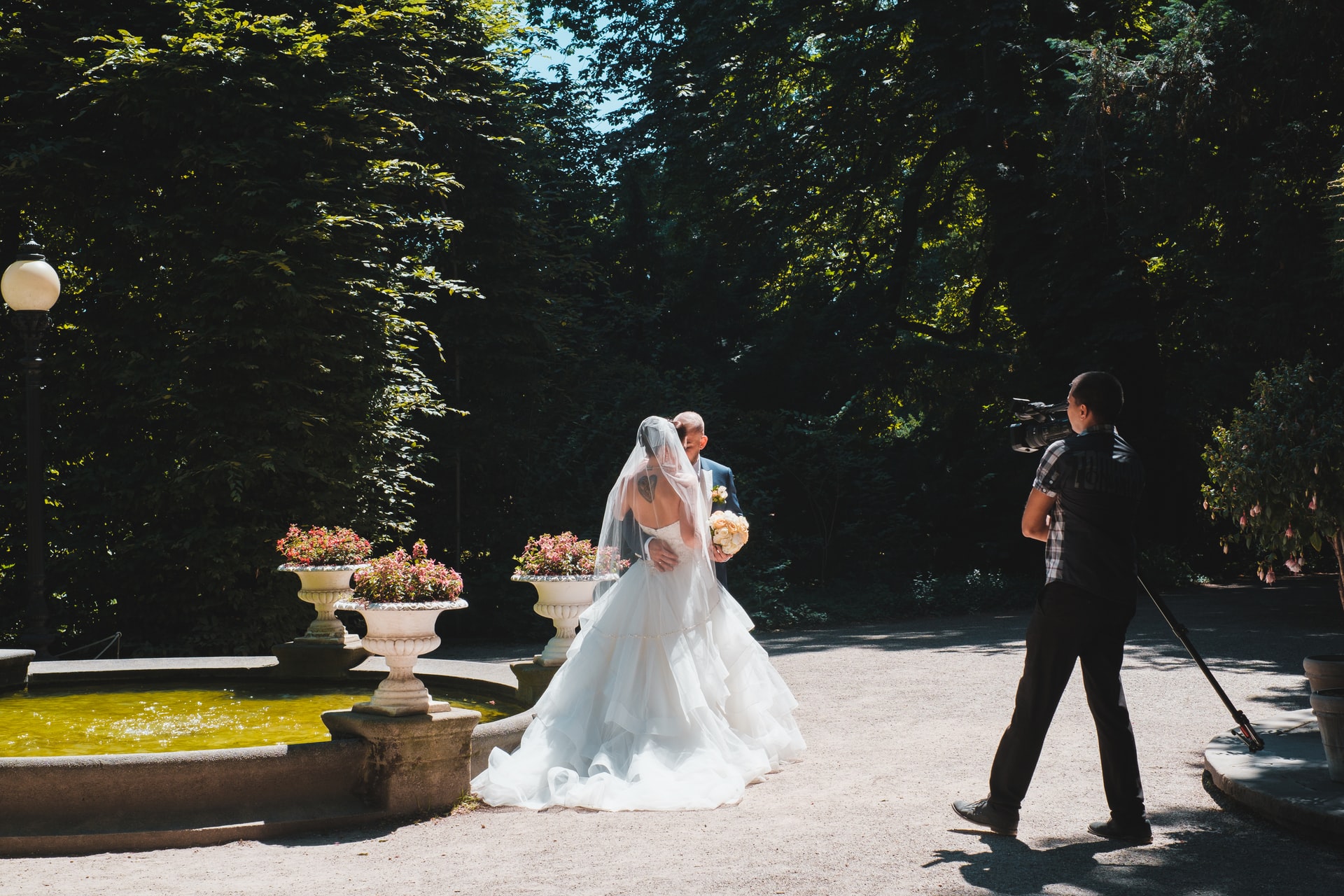
Wedding photography and wedding videography work hand in hand to supply attractive, full memories of the day.
Along with wedding invitations (or convites de casamento in Portuguese), wedding photography is essential. So is marriage cinematography. This is why.
INSTEAD OF JUST REMINISCING, RELIVE YOUR MOMENT
Wedding photography and wedding videography meet jointly. They are just like two peas in a pod, two individuals doing a lot of 2 soulmates becoming married. You can not effectively have one without another.
Wedding photography captures breathtaking still pictures of special moments which may be set on the wall or at a record and be reminisced around for a lifetime. A wedding movie on the other hand catches a whole scene, so allowing you not just to reminisce about snapshots at the time, however, to relive the whole afternoon.
A photo of you ditching your vows is amazing, but in many decades to come, are you going to recall the gorgeous words that you said to each other? The design of your listeners? The gentle fracture of a paragraph when emotion defeated you?
Wedding videos activate your five feelings, emotions, and memories like no other medium could; coupled together with all wedding pictures, they supply full memories of the wedding day.
ALSO READ: Movies and the Art of Cinematography
CAPTURE MEMORIES IN THE MOST EXQUISITE AND SPECTACULAR WAY POSSIBLE
Professional wedding cinematographers do not simply ‘point and shoot’. They do not simply record motions, they catch memories. Not just that, they coating these memories along with your distinctive backstory so as to make a documentary-style movie, that will remind them about the romance for the remainder of their lives.
GIVE YOUR CHILDREN THE GIFT OF ‘ATTENDING’ YOUR WEDDING
Imagine your kids (and their kids in several years to come) having the ability to take a seat at front row chairs at your service and reception, viewing your evening unfold and becoming a portion of the event; hearing one pledge your love for one another, laughing at the jokes and watching the great (or dreadful!) dancing. Here is the very first chapter of the family’s story, but they were not about to see, but could nonetheless be blessed enough to appreciate.
It is one thing to let your kids see photos of your wedding evening, but quite another to allow them to relive it directly alongside you.
Learn more about Cinematography
Cinematography is your artwork of motion-picture filming and photography electronically by way of an picture detector , or by way of a jelly-like substance like movie stock. Cinematographers utilize a lens to concentrate reflected light from objects to some real picture that’s moved to a picture detector or even light-sensitive material within a picture camera. All these knots are made sequentially and maintained for later processing and watching for a motion image . Adding images using a digital image sensor generates an electric charge for every pixel in the picture, which can be digitally processed and kept in a video document for subsequent display or processing. Pictures shot with photographic emulsion bring about a run of imperceptible pictures around the film stock, that can be “developed” to a visible picture . The pictures on the film inventory are projected for seeing the motion image.
Cinematography discovers uses in several areas of science along with company in addition to for amusement functions and mass communicating .
Critics of photography create several imaginative and interpretive decisions throughout the course of their job, by pre-production to post-production, all which impact the general feel and appearance of the motion image. A number of these choices are very similar to that which a photographer should notice when taking a photograph: that the cinematographer controls the movie selection itself (by a variety of available stocks using varying sensitivities to color and light), the choice of lens focal points, aperture vulnerability and attention. Cinematography, nevertheless, comes with a temporal part, unlike photography, that is only one still picture. It’s also bulkier and much more strenuous to manage film celebrities, and it entails a more intricate collection of alternatives. Therefore a cinematographer frequently must function cooperatively with much more individuals than does one photographer, who might often be one individual. Because of this, the cinematographer’s project also has employees management and logistical business. Given that the comprehensive expertise, a cinematographer needs not just of her or his own artwork but also a lot of other employees, formal graduate from digital or analog filmmaking could be advantageous.
How Drive-In Cinema Is Coming Back During The COVID-19 Pandemic
Since the sun sets, the excitement climbs. More than 200 automobiles have been assembled at the Westwind Drive-in at Solano, California, roughly a 30-minute driveway from Berkeley. Many individuals are seeing their cars; the others have been huddled together in pickup beds.
I put in my mask roll my window down and then call out throughout the 10-foot gap which divides our car out of our neighbor. “What’s that the air station.”
“104.5,” the motorist yells back again. I twist the dial-up as the monitor lights up. Tonight’s picture — E.T. — is all going to get started.
This is new to me personally like most Americans, I overlooked the golden era of the American drive-in. The very initial “park-in theatre” opened in NJ in 1933, however, the concept did not take off before the post-war years. From 1950, more than 2000 Drive-ins were in performance, also in 1958, the business summit, significantly a lot greater than 4,000 lined the highways of an extremely suburbanized and car-centric state.
By October 20-19, just 305 Drive-Ins stay from the U.S., Based on the United Drive-in Theatre Owner Association (UDITOA). But throughout the coronavirus pandemic, the assurance of some shared entertainment experience by the convenience and ease of some controlled, and socially remote environment has fueled a drive-in resurgence — and pictures really are merely a portion of this offering.
With the majority of live events pause, the drive-in movie-theater turned into Covid Summer’s goto place. Back in April, Doc’s drive-in Theatre at Buda, Texas, welcomed 85 cars for a distanced wedding live-streamed on the theater’s two displays. Churches resumed drive-in services, assigning a clinic rooted from the 1950s. In cities across the globe, idled departmental stores and vacant parking lots hosted Adhoc displays for pop-up community pictures while existing Drive-ins expanded their offerings to include festivals, art shows, and standup humor performances. Miami’s Hardrock Stadium turned into its football field to a huge outdoor theatre. And in July, a boat-in movie-theater actually popped up at Key Biscayne, Florida, detailed with a 60-foot drifting screen.
“On Your protective episode, you keep an eye out your vehicle and you also find other folks,” says press historian Ross Melnick, an assistant professor at the Film and Media Studies Department at UC Santa Barbara. “For most of us, there is something heartwarming and supporting about visiting other individuals that are around for a very important factor, because they would like to be entertained.”
Nonetheless, it requires more than only a screen and a bare stretch of sidewalk to generate a fantastic drive-in.
Within her architectural analysis of drive-ins,” By Ticketbooth into Screen Tower, Shannon Bell writes “that the drive-in was a version of efficacy InDesign, an abysmal set of architectural elements reacting to many different commercials, aesthetic and social requirements.” Key the type of requirements is distance: A 500-car drive-in takes about 10 to 14 acres. Additionally, you require low ambient lighting and rated ramps for proper sight-lines. As stated by UDITOA, there’s really just a mathematical formula that assesses the perfect angle and space between your monitor and projection booth.
Architect Jack Vogel — “that the Frank Lloyd Wright of Drive-ins” — assembled more than 300 Drive-ins all through the MidAtlantic and northeast from the 1950s, for example, the Bengies drive-in out Baltimore, that will be still in performance. Because of the genre of roadside design, the drive-in is an artifact of this golden era of living, the one which combines the delight of moving out with the relaxation of residing. Perfect for people that got into roadside trouble. Good thing they can ask for help from towing San Jose.
ALSO READ: Marketing Movies The ‘Michael Bay’ Way
“In the drive-in, every car had been an enclave within which different social activities, different from the collective adventure, could occur,” networking scholar and historian Erica Robles-Anderson claims. Much like the adoption of this tv series carved a brand new social space from the 1950s home, Anderson writes that “Drive-ins were significant plasma intermediaries from the post-war era which helped ease the shift from people to national leisure by offering privatized accessibility to collective daily lifestyle.”
Frequently sited on the periphery of this metropolis, where land was inexpensive and neighboring suburbs offered an observer of car-owning households, Drive-ins proved at risk of development, and lots of owners sold the space-hungry centers when property prices climbed. In-home entertainment options rose throughout the 1960s and’70s, taking a second bite out of earnings. In a lot of the nation, seasonal surgeries leave Drive-ins useless in the wintertime. To bridge the gap, then a few Drive-ins became yearlong flea markets. The others were invited to make way for big box stores, shopping malls, and in-door cineplexes. One of the few lands staying, profit might be evasive.
Nevertheless, the continuing allure of this model has been clarified throughout coronavirus lockdowns, when movie-starved viewers clamored to produce Drive-ins one of the primary organizations to re-open. In cold water, Michigan, the proprietors of this 1,000-car Capri drive-in did not wish to await their nation’s stay-at-home orders to flake out in might until she began inviting audiences. ‘I defied the governor,’ says co-owner Susan Magocs, whose neon-lit marquee see: Wish to Open. Can not. Call Gov. “I am not pleased with this truth that we did this, however, the benefit has been the aid of these people.”
“You need to produce the drive-in something people desire, versus something people need.”
The Capri is currently officially available, revealing mostly revivals and also a few fresh releases. (Now revealing: Bill & Ted Face the audio). Displaying older films helps to keep down costs, and no matter the picture selection seems to become secondary nowadays; exactly what things are your adventure. “We service a 150-mile radius. It’s a meeting, a bucket-list kind of thing,” says Magocs. “It is such a charm.”
It isn’t clear yet perhaps the lingering outbreak will spur a legitimate drive-in re-birth, however, it’s succeeded in giving a few theatres a temporary fresh lease on life: Many Drive-ins re-opened after becoming closed eternally this past year. The Goleta Westwind drive-in at California, which had closed its gates in April, left a coronavirus to come back that summer with a Harry Potter dual feature on Memorial Day.
Will the Drive-ins’ fortunes continue indoor theatres re-open and live entertainment resumes? “If drive-in theatres at the U.S. execute a fantastic career, they are able to cause a completely new generation of moviegoers,” says UC Santa Barbara’s Melnick. Todo this, “you now need to produce the drive-in something people need, versus something people need.” He states owners should put money into top-notch projection systems, exceptional programming, and high-quality food supplies to enhance the knowledge for first-timers. Drive-ins should also make the most of these regional individualities to attach to patrons, that would need to drive long distances to arrive.
This willingness to induce 2 hours back and there simply to find a picture that is likely clicked on Netflix speaks into the enduring attraction of this adventure. “The drive-in is a distance unlike others,” says Melnick. “By parking, then you are setting your car in just a place, and also you’re curating your vista by way of a number of different facets.”
This reminds me of William H. Whyte’s The Social Life of Small Urban Places, at the American urbanist whined people are attracted to people spaces that provide them freedom, as with movable seats. As the drive-in may perhaps not be an extremely public space, it possesses a welcome hybrid of private and public life. Since Melnick says, “Weirdly, it has got plenty of liberty, even when it’s got a great deal of co-dependence.”
Adding Towing Scenes into Cinematography in San Jose

Towing scenes into cinematography can add an interesting zing to storytelling in the ever-moving streets of San Jose, a busy metropolis. To filmmakers, the towing scenes present various opportunities, ranging from enriching the plot to displaying the city’s mood.
Therefore, why add towing scenes when producing films? Here is why incorporating towing San Jose scenes into cinematography will take up your storytelling game.
Authenticity and Drama
This helps make the cinematography feel real as it brings credibility to it, thus proving that San Jose streets are nothing but narratives at play; towing adds drama. It could be a broken-down car by the road or a driverless car being towed away from No Parking Zone; these scenarios depict everyday struggles of urban life with quite some intensity.
By including towing scenes in their movies, therefore, film makers not only capture real-life experiences in this urban landscape called San Jose but also add dramatic tension to them.
Symbolism and metaphor
The relevance of towing goes beyond moving cars, as it stands for strong symbols and metaphors used in films. For instance, towing a vehicle might represent a character’s feeling like he/she has lost something very important, while a truck rushing through streets indicates that there is no time left or something bad is about to happen.
However, weaving such acts into their stories enables them offer profound implications behind their storylines, thereby making audiences understand more on what they see during screening.
Dynamic visual appeal
Towing shots provide endless possibilities for filmmakers drawn by rich visuals ranging from sleek lines of tow trucks to vibrant vehicles on-the-go. Within this dynamic framework of shots, which are well represented by diverse scenes of San Jose, including shining skyscrapers downtown or colorful murals depicting Arts districts, among others,.
Hence, if film-makers choose iconic places around san jose, they could make striking compositions which would draw people’s attention and recall some atmosphere peculiar to this place.
ALSO READ: Transforming Perspectives: Cinematography Explores Infrared Light Beds in Film
Themes of rescue and redemption
Normally, towing scenes involve vehicles that are either malfunctioning or wrongly parked. This presents an opportunity for the film maker to explore rescue and redemption in his/her storytelling. For instance, if a person’s car gets towed away, it could be that they get unexpected help from a bystander, leading them to find some sense of community.
By casting towing as salvation instead of punishment, the filmmakers can inject hope into their narratives even when all odds are against their characters.
The City’s Towing Culture on Display
With this practice being deeply entrenched in San Jose life, including towing scenes in films is one way of appreciating the unique aspect of its culture. In this regard, they could select any sequence, like drivers’ maneuverability or variety of vehicles being hauled out, to portray true heroes working on city streets.
When focusing on the culture of towing, therefore, there will be much more respect coming from citizens towards this group.
Conclusion
To sum it up, incorporating towage scenes into cinematographic operations within San jose could work towards enriching story-telling among producers. This would range from authenticity and symbolism to visual appeal and cultural appreciation, thereby lifting up the narrative and immersing spectators right in the complex canvas of urban living.
So let us not miss all the action-packed drama and power which these towing sequences bring into our cinematic visions next time we shoot in san jose cinemas again.
The Movie Format for Theaters
While there are a few cinemas that nevertheless maintain the usage of 35mm projectors, it is reasonable to state that these are just used for specific events. Contemporary cinema, where I mean that the business that spreads and displays mainstream articles (therefore any new releases), are only distributed in electronic format.
In early 2002, Hollywood searched to standardize the technology to the extraordinary benefits it owned. Digital projectors are industry-standard because of 2005 in the United Kingdom, but much sooner in America and China. Owing to the cinematic heritage and comparative dimensions, the UK is nearly always used as the ‘controller’ in rolling out cinematic technology. It’s normally quantified as an experiment, and as the addition of noise, color, along with 3D cinemas demanded refits and refurbishment, that is currently occurring with electronic supply. The remaining portion of the planet is moving in the exact identical way, but with various degrees of immersion from the cinematic procedure.
Many cinemas utilize a method known as DCP which is actually a USB pen that gets sent around within a circumstance. It enhances responsibility on behalf of cinema-pirates, as every Pen has a definite number of permits on it. A marginally older engineered variant of big mobile hard-drives, but those are being phased from flow also.
A DCP is merely a document that needs activation from a permit. The DCP is signed up due to the cinema, and the projectionist is provided the permit activation code to permit the material to be performed. Many cinemas have a permit retainer or master permit for articles. Since most multiplex cinemas are a part of an exhibition series, they’re usually less vigilant in protecting their material and will manage the management of the material negating such rigorous protection. More importantly, satellite technology has been researched so as to decrease the expense of supply (that has more than halved in the previous ten years). Under satellite programs, the movie is downloaded in a secure server along with also the movie is activated to be used through satellite; Cells may also be controlled remotely via the satellite, and that centralizes the full procedure externally.
This is a technique that’s been spearheaded in the United Kingdom by these endeavors as National Theatre Live along with Opera Live. Whilst they do broadcast internationally, they remain a minority interest to exhibitors (even though an increasing one, because of their achievement). The heritage of those jobs won’t, but come out of their material but by their own way of supply. But now, many vendors are boosting their simplicity of use as leverage to convince developers to pursue satellite supply because it reduces the costs dramatically. Much like many cases of a private venture, the actual driving force behind satellite supply is that the revenue stream it generates, and also the relative immediacy of the income. It is the worst kept secret of the majority of cinemas the most profitable single-income origin is that the ads that are displayed prior to a characteristic.
The movie needs to be published on celluloid, which can be costly and generates just 1 copy. If you would like to start in each movie in the US (unlikely, but let us pretend this illustration is really a Star Wars Scenario) you are taking a look at 40,000 prints. Now attempt to imagine an international box office so quadruple it, at the least. You also must factor in the expense of transport of stated prints, degradations, and recirculation, fix (the times of 35mm splice tasks have long gone, rather than shortly missed) as well as most overlooked of …insurance.
A lot of men and women understand that film stock used to be made from the exceptionally flammable silver nitrate, as shown through the finale of Tarrantino’s Inglorious Basterds. Throughout these first days of cinema, the relative danger of hauling these prints has been consumed by the supply businesses. When insurance companies became prevalent practice, this price was onto them and if the movie stock shifted and became hazardous, what exactly did the insurance companies do? Up until electronic content distribution, insurers refused to admit the relative threat of transport had diminished and managed to bill disproportionate costs for movie distribution; a clinic that proceeds with 35mm, though it’s a dying economy hence costs are falling significantly. Satellite supply has eliminated these overheads entirely, and there’s just no viable option on almost any moderate to large-scale performance.
It is reasonable to say that many if not all of the cinemas are currently fitted with electronics, and over another 20 years (since they eventually become satellite harmonious) we shall likely understand the extinction of this projectionist: they will become something which’s wheeled out on particular events to show vestigial technology, to flaunt its novelty. That is more or less the situation today, really.
Movies and the Art of Cinematography
Around the planet, at any moment, a huge number of people are seeing films. They see mainstream entertainment, deep “art films,” documentaries, animations, experimental movies, and educational shorts. They sit air-conditioned theatres, in village squares, even in art galleries, in school classrooms, or even in their houses prior to a tv display. Nobody has to be sure that movie is just one of this century’s strongest websites. Not only are you able to remember your most leaving or tearful minutes in the pictures, but it is also possible to probably recall moments in normal life once you attempted to be as adorable, as simple, too hard, or as eloquent as these epic characters on the monitor. . How we dress and reduce our own hair, how we speak and behave, what we think or doubt — these facets of our lives have been formed by movies. Films also supply us with strong aesthetic experiences, insights into civilizations, along with also glimpses of fresh methods of believing.
I’m extremely fond of theatre. That’s the reason I’ll attempt to comprehend this beautiful, amazing world of cinematography. It’d be not simple, I presume because theatre comprises a fantastic deal of understanding in various spheres. While exploring the topic of the article, I’ve understood that movie history contains more than just movies. By analyzing how movies were created and obtained, I detect the assortment of alternatives open to filmmakers and movie viewers by analyzing the societal and cultural influences in movies, I really come to know the methods by which movies might tolerate the traces of their problems in the background of politics, of civilization, and even also of those arts. Researchers have been fond of stating there is not any movie history, just movie histories.
Qualities of a Good Cinematographer
Many cinematographers believe that preservation of values is needed. All cinematographers must be the best actors on-set. They should set good examples to their crews. It is projected that many people will be interested with the art of cinematography thus it will continue to become a strong industry. Many people are eager to learn the craft. We see an increase in the demand for television and film content.

Cinematography is also influenced by the new innovations and technology every day. The technology used in this field gets more and more sophisticated advanced and complicated. However, it creates all kinds of possibilities and opportunities. In the future there will be interesting and exciting things ahead for cinematography. One is virtual reality. Someone will soon figure out how to use Virtual reality in a narrative form. This will be great for documentaries. It will immerse viewers in another part of the world. Despite this all they should learn to capture every viewers heart in their stories. Harry Potter films have great cinematography. Get to know which Harry Potter House you belong to by answering this simple quiz: https://quizlagoon.com/quiz/harry-potter-house-quiz-ravenclaw/
In the future cinematographers can create film in high quality hd. Better than the ones we have today. However, they should always look back to the traditional ways of cinematography technique like the following:
- organize track
- accurate shots
- good lighting
- inspired by classic cinematography approach
It is important that these traditions won’t disappear since it nice to tell stories this way. Cinematographers should always possess these qualities. It will help them tell their stories beautifully:
- They should have good listening skills. A good film director should have a vision of the look and style of their film. Make sure to pay attention to this. As a cinematographer it is your job to paint and execute the directors vision. It should always match the vision of the director.
- Learning the value of silence is also helpful.
- Cinematographers should learn the value of patience.
- Cinematographers should always be there for the story.
- Learn to know who you are and where you come from.
- Always collaborate with the crew.
- Always choose the right camera for the job. And try to use new gears on set.
- Be organized and learn to make a plan. It will help things and tasks flow smoother. This will also give you a better understanding of the film. Communicate this plan with your crew.\
- Don’t be scared to try out new techniques. Share this to the crew as well. This will make you more valuable.
What Good Cinematography Means?
The cinematography is actually something you can explain concerning quality. Occasionally superior cinematography could signify that the camera stays tight about the celebrity faces and follows the actions easily. Other times it might signify it does the specific opposite.
Everything needs to be considered when assessing whether the cinematography of a movie is “good” or “poor” is whether the design fits the storyline and motifs of the movie. Cinematography is about everything you add in the framework of what you exclude. Generally, the notion is that you simply comply with the principle of thirds, and just include what’s most crucial in the framework. However, when we followed this principle into some T the entire time, nothing exciting or new could happen to the moderate.
As a hypothetical example, if you’re shooting a personality drama where you wished to highlight one of these character domineering qualities across the other characters, then you’d take it generally, but be sure that character was always nearer, or appeared larger in the frame compared to others. However, if you’re shooting a mental thriller and wished to convey that there may be something awry with a particular scene in which the character felt lonely, you could shoot the personality mostly in wide-angle and center the topic of distress from the frame once you picture it.
Filmmaking is not about following principles, however knowing when to split them. Yes, the majority of the time that you follow certain guidelines about the best way best to especially take something, but occasionally a particular landscape, character, or subject is much better shot in a manner that “breaks” rules. It is a somewhat overused instance, however, this movie exemplifies how Stanley Kubrick based lots of his shots, even regardless of the principle of thirds specifically stating that has been totally erroneous.
So, in a nutshell, the very best advice I can offer you would be to read upon the accepted traditions of cinematography, then watch a lot of films, contemplating that which the cinematography conveys in relation to what’s happening with the plot, characters, and themes of the film.
The Cinematography Essentials
 Cinematography could simple be defined as filming motions of different subjects. Just like photography, it requires skills, focus, and of course a lot of equipment.
Skills can always be developed. One might not have the skill for cinematography before having a professional training, others might already have it even without a training. It depends. But with the right amount of perseverance and determination, anyone can have the skill and improve from time to time.
Focus is very important. No matter what you are doing, if you do not focus or you do not have focus, things will never work out fine. This is one of the most significant element in everything. Focus means exerting effort and making sure of balancing everything (if ever you got a lot of things to do aside from filming), maintaining focus despite of having so much tasks on your list is always possible. Doing one thing at a time has its advantage when it comes to having and maintaining focus, but multi-tasking will definitely go a long way and keep in mind that doing a couple of things at a time does not mean that you are not maintaining focus but it is a gift that will take people to the top.
Equipment is given when it comes to cinematography. Different cameras, lights, and things that are useful and convenient for taking films are expected to be seen in a set where one is directing or shooting a film. These equipment are investment on part of a cinematographer. Equipment could really be pricy, but seeing the value of your work will make every cent spent for the equipment worth it. Just do not forget that equipment also have maintenance. And if one needs to be fixed, search for the Top AR Burnaby and have the equipment fixed immediately.
Rules of Cinematography
There are different rules of composition that should be considered in photography and filmmaking. There are those who think that just having good framing and using the best tube amp and other top-tier sound equipment will do. In reality, there is more than that.
Eye-Level Framing
If you want your shot to have equality, then it is important that the framing for your subject is at eye-level. As a matter of fact, eye-level framing is one of the common methods of framing a subject but there are couple of ways as well as reasons for breaking this rule. Of course, you’ll discover more about it as you study and do more research.
Subject Looks to Opposite Side of Frame
The rule of thumb for framing is placing the subject on left side of your frame and tell them to look to their right. Through this, it shows that they are looking towards something that is out of the frame. But if you wish to establish a different mood or atmosphere, you may opt to break this rule.
For instance, you can tell your subject to look into the same direction as your frame. That is, they are on left side of frame and looking to the left. This is going to make audience think as if they are tripped and not knowing what would happen next.
Use the Rule of Thirds
Probably, rule of thirds is the very first thing you’ve learned in cinematography/photography courses. But according to pros, there are a couple of ways of breaking it and make most use of it.
- Put the subject in the center, right in the middle of your frame. Depends on your context, this will offer balance, add tension or create calming effect.
- Go with Golden Ratio or through the Fibonacci Sequence. It looks aesthetically pleasing and fairly common too.
Leave some Headroom
When framing medium shot, it is required to leave a bit of room about the head of your subject. Now, for close-up shots, you may cut off a little part of your subject’s forehead but must leave their chin in frame.
What are the Advantages and Disadvantages of Young Cinematographers Today?
We could argue if it is harder or easier to get young cinematographers now to exhibit their work to a broad audience. Whichever point of view all of us chooses, we could agree on something — it is definitely quite different now than it was 20 or even 30 decades back. At a movie by Cooke OpticsTV, a number of the planet’s most renowned cinematographers share the benefits and pitfalls of becoming a young cinematographer now.
ADVANTAGES
- You are young: based on Paul Cameron, the benefit to being young is that — you are young. I feel that indicates you have more power to generate a bid to climb to the very best and triumph.
- Editing tools are somewhat more accessible: another benefit youthful cinematographers have now is that whatever can be obtained. You’re able to produce a 4K video right on your mobile phone, move it into the computer instantly and do all of the essential editings directly following the shooting. A number of decades back, Nokia even conducted a contest for small movies created by mobile phones.
- Video gear is significantly more readily available: that the option of the gear can be much bigger now, and movie recording devices are just accessible to more individuals. This usually means that it is easier for people that have an idea to make something and discuss it with the entire world.
- It is simpler to reach individuals: if you’re a cinematographer nowadays, it’s a lot more likely you will find the message out than it ever was. Even in the event that you don’t achieve the broader audience right away, you will find many stations you may use to exhibit your job, reach individuals, and develop an audience. That is an additional thing veteran cinematographers did not have.
DISADVANTAGES
The most important drawback is in a way linked to the benefits, and it is the subject of accessibility: accessibility raises rivalry. While access to video gear and editing programs can be a fantastic thing, in precisely exactly the exact identical time, it may also be a drawback. Wider accessibility means more individuals can and wish to become more cinematographers. Since Roberto Schaefer points out, everybody believes they’re a cinematographer (photographers, so does that seem familiar?). This usually means that the contest is a lot larger, and it might be more challenging to find focus, showcase your own work to a larger audience, and attain success.
Ultimately, the interviewed videographers counsel the young ones to perform, to research from the professionals from their own expertise, and to perform their very best. Since Paul Cameron indicates — great cinematographers do climb to the surface.
What do you believe? Is it harder or easier to get young cinematographers to have noticed? What do you believe are the benefits and pitfalls of becoming a young cinematographer now? And what about the picture? Is it true that access to cameras makes it easier and more challenging to get discovered? We’d really like to hear your own ideas.
Cinematography, photography and media
The specialization cinematography, photography, media has a study program specific to the vocational profile that aims to develop the artistic skills of the student, through the theoretical and practical study of specialized disciplines in the mentioned fields and training for professions in areas covered by film production, photography and television, as well as the advertising industry.
The field of art aims to promote the spirit of excellence and innovation, creativity and critical thinking, through individual and collective artistic creation.
The fundamentals of audiovisual language
The spoken language contains words, mathematical language is based on numbers and signs, and music. Generically, you are talking about specialized languages. It is natural that the visual arts also have their own compatibility language or, more precisely, several languages, given the fact that there is a very wide spectrum of visual arts. Thus, the elements of visual language constitute an alphabet of the visual arts and represent the specific means of communication. Without knowing this particular language, you will not be able to decipher the message conveyed by a work of visual art and you will not be able to create such a work yourself.
Photo
If the invention of printing potentiated abstract thinking, placing knowledge above spectacle and communication through printed text, contemporary media imposed the power of the image, with its concrete, special attributes, which abolish the content limits of communication. The photographic image provides us with the most advanced infrastructure for the transmission of complex, abstract, analytical information and includes the most important real and concrete data about every visible thing and every lived experience. It is obvious that in order to produce an image that integrates the most advanced and refined means of expression, codes or symbols or to be able to decode and understand the meanings or messages contained in an image, there must be a deep knowledge of the notions of aesthetics.
TV production management

Artistic television production is one of the most exciting areas of contemporary media. Making a quality media product, be it a documentary film, a report, a talk show or a cultural or entertainment show, involves many steps materialized in all three major stages of TV production: pre-production, production and post-production. Only by in-depth knowledge of these stages and by effective planning, gearing and control of every moment of TV production, the realization of the director’s idea in a superior TV product can have the expected success.